
Welcome to Melk, Austria
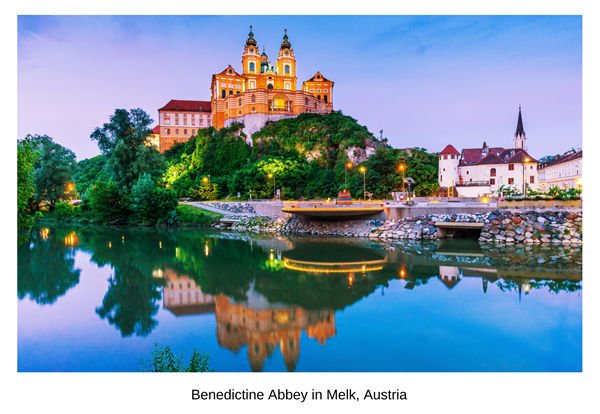
Nestled in the languid cradle of the River Danube, ensconced within the lush valleys of Lower Austria, lies the charismatic town of Melk. A gem encrusted in an emerald expanse, this small but culturally bountiful locale is a veritable tapestry of historic chronicles, natural splendor, and architectural prowess.
The heartbeat of Melk's alluring landscape lies within its crowning glory - the majestic Melk Abbey, perched like an eagle's nest on the town's highest hill.
This grand Baroque edifice, a radiant ochre beacon against the cerulean Austrian sky, is more than just a symbol of ecclesiastical power.
It's a sonnet of stone and stucco that sings of the profound intertwining of art, religion, and history that's embedded deep within the Austrian psyche. Strolling through the town's quaint, narrow lanes, you find yourself whispering conversations with history, with every cobblestone echoing stories of days long gone. The frescoed town houses, their balconies dripping with geraniums, the meandering lanes leading you to unexpected panoramas, the friendly smile of the townsfolk – each thread comes together to weave the unforgettable narrative of Melk.
But there’s more than history to the lure of Melk. Immerse yourself in the region's viticultural tradition, and let your palate dance with the nuanced flavors of the Wachau Valley's crisp white wines. Savour the robust notes of apricot in the area's renowned Grüner Veltliner and Rieslings, a symphony of tastes that mirrors the sun-dappled vineyards from where they're born. And then, there's the beguiling pull of the Danube. Whether you're an ardent lover of waterways or simply yearn for the romanticism of a river cruise, the Danube invites you with open arms. Embrace the river's slow, pulsating rhythm as it carries you past Melk’s charming contours, verdant vineyards, and steep, forested hills. Let the waterway, immortalized in Strauss’s Blue Danube waltz, weave its timeless magic around you.
In Melk, every detail is a song, every sight a poem, every moment a painting coming to life. It is a town that combines the intimacy of a local Austrian community with the cosmopolitan appeal of history, art, and nature. It's an ethereal sonnet waiting to be explored, a picture-perfect postcard waiting to be experienced. This is Melk - where stories of the past converse with the charm of the present. It is a testament to the enduring allure of Lower Austria, an echo of Europe's undying song. So, come. The town is waiting, and there's no time like the present to begin your journey through this Austrian tapestry.
SIGHTS OF INTEREST IN MELK
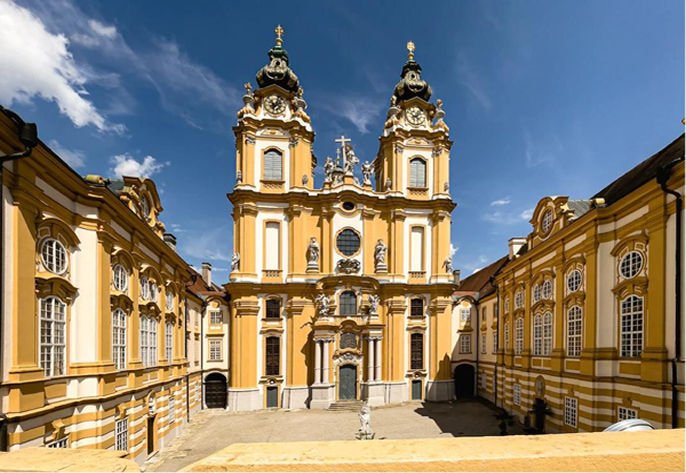
Melk Abbey (Stift Melk)
This magnificent Baroque abbey is the crown jewel of Melk. Built between 1702 and 1736, it's a symbol of the power and influence of the Benedictine monks. The abbey houses an impressive library with around 80,000 volumes, including numerous medieval manuscripts. The panoramic view from the terrace, overlooking the town and the Danube river, is breathtaking.
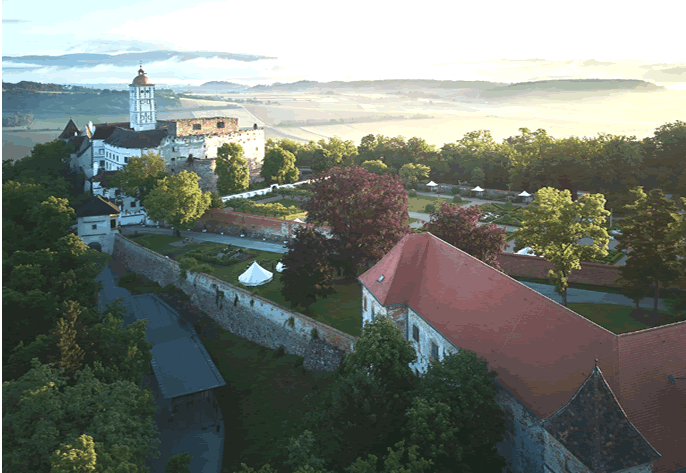
Schallaburg Castle
Located just a few kilometers from Melk, Schallaburg Castle is one of the most beautiful Renaissance castles north of the Alps. The castle hosts internationally renowned exhibitions each year and is surrounded by beautiful gardens, making it a worthwhile day trip from Melk.
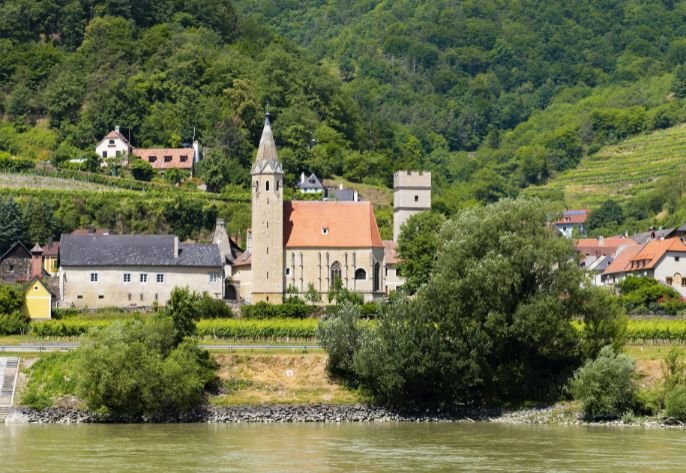
The Wachau Valley
While technically not in Melk itself, the Wachau Valley is a must-visit for anyone coming to the region. This UNESCO World Heritage site, a picturesque landscape along the Danube River, is famous for its beautiful vineyards, apricot orchards, medieval castles, and charming villages. It's perfect for hiking, cycling, or cruising along the river.
The History of Melk in a Nutshell
The history of Melk, a charming town located in the federal state of Lower Austria, is inextricably linked to the iconic Melk Abbey that watches over the town from a rocky outcrop.
The area surrounding Melk has been inhabited since ancient times, with archaeological evidence suggesting a presence of Celtic and Roman settlements. The town of Melk itself can trace its history back to the 11th century, when the Babenberg rulers, one of the most influential families in Austrian history, made it their residence.
The Babenbergs were responsible for the construction of a fortified castle on the site where the Abbey now stands, around the year 976 AD. This castle served as a strategic defense point against the Magyars, a nomadic people who frequently invaded Central Europe during the early Middle Ages.
In 1089, Leopold II, a member of the Babenberg family, gifted the castle to Benedictine monks, marking the beginning of Melk as a monastic site. Over the centuries, the Benedictines transformed the castle into the Abbey. This transformation culminated in the early 18th century when the Abbey was rebuilt in the opulent Baroque style that we see today, under the guidance of the architect Jakob Prandtauer.
The Abbey became a central hub for the religious, cultural, and intellectual life of the region. It houses an impressive library containing an extensive collection of medieval manuscripts and early printed books, making it an important center of learning during the Middle Ages and beyond.
In the late 18th and 19th centuries, Melk, like much of Europe, underwent significant changes due to the industrial revolution. It became a transportation hub due to its location on the Danube river and the newly built Westbahn train line, which connected it to Vienna and other major cities.
Melk survived the turbulence of the 20th century, including two world wars, and emerged as a prominent tourist destination in the post-war years. Today, it draws visitors from around the world who come to explore the magnificent Abbey, the charming town, and the beautiful landscapes of the Wachau Valley.
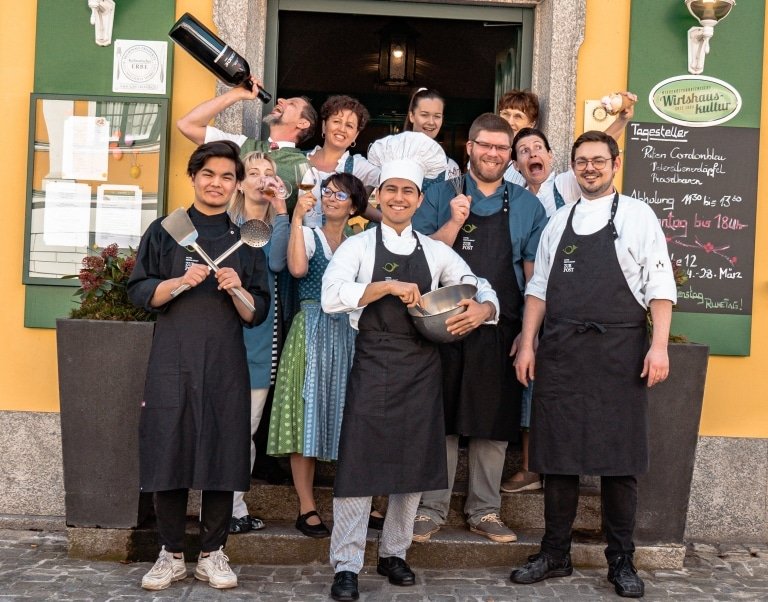
Hotel zur Post
The Hotel zur Post, a quaint hideaway tucked in the charming town of Melk, Austria, proves that the art of Austrian hospitality is not confined to mere words. It's an experience, a grand tapestry woven with threads of warmth, courtesy, and personalized care. We were treated not just as guests, but as visiting royalty, swept up in a delightful dance of seamless service. The hotel exudes a timeless charm, blending the historical elegance of its architecture with modern comfort, while its culinary offerings are a symphony of local flavors, honoring the rich gastronomic heritage of Lower Austria. From our first steps through the ornate doorway to our reluctant adieus, every moment at the Hotel zur Post was a testament to its unwavering commitment to exceptional guest service, making our stay an unforgettable chapter in our Austrian journey. Visit them here.
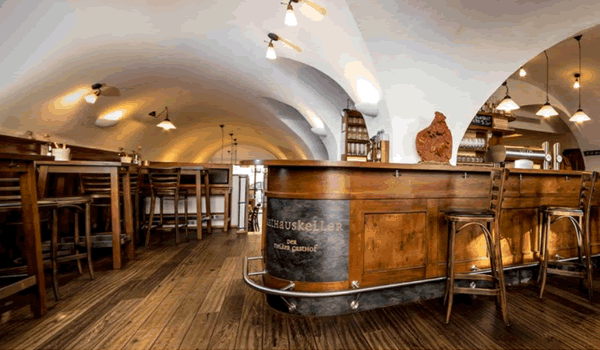
Rathauskeller
In the heart of the enchanting town of Melk lies a culinary haven known as the Rathauskeller. This quintessential Austrian restaurant effortlessly marries the warmth of Lower Austria’s hospitality with the sublime artistry of its cuisine. Upon entering the Rathauskeller, you're greeted not just with welcoming smiles, but with an unmistakable promise of a memorable dining experience. Each dish, an epicurean masterpiece, demonstrates an extraordinary attention to detail and a deep reverence for local ingredients. The flavours are nothing short of a gastronomic revelation, tantalizing the palate with the true essence of Austrian culinary tradition. But it's not just the food that enchants you, it's the convivial atmosphere, nurtured by the staff's amiable service and genuine enthusiasm to make your meal an unforgettable experience. At the Rathauskeller, every element comes together to create a symphony of flavours and feelings, transforming a simple meal into an exquisite journey through Austria's rich and diverse culinary landscape. Visit them here.