FOLLOW THE LANDSCAPE. DISCOVER THE STORY.

The stories of
Massachusetts.

Explore by name. Choose a walk, a heritage drive or a historic place to visit.
Header: The Minute Man Statue · NPS · Public domain, NPS · Photo credits
CHOOSE A STORY TO FOLLOW

Trails, roads & places to remember

5 ideas

Every route has a story.
National Scenic Trail

Appalachian National Scenic Trail

A scenic trail with a rich conservation history, linking mountain communities and protected landscapes. Choose a short day walk or an accessible gateway visit rather than treating the entire trail as one outing.

Discover the story →
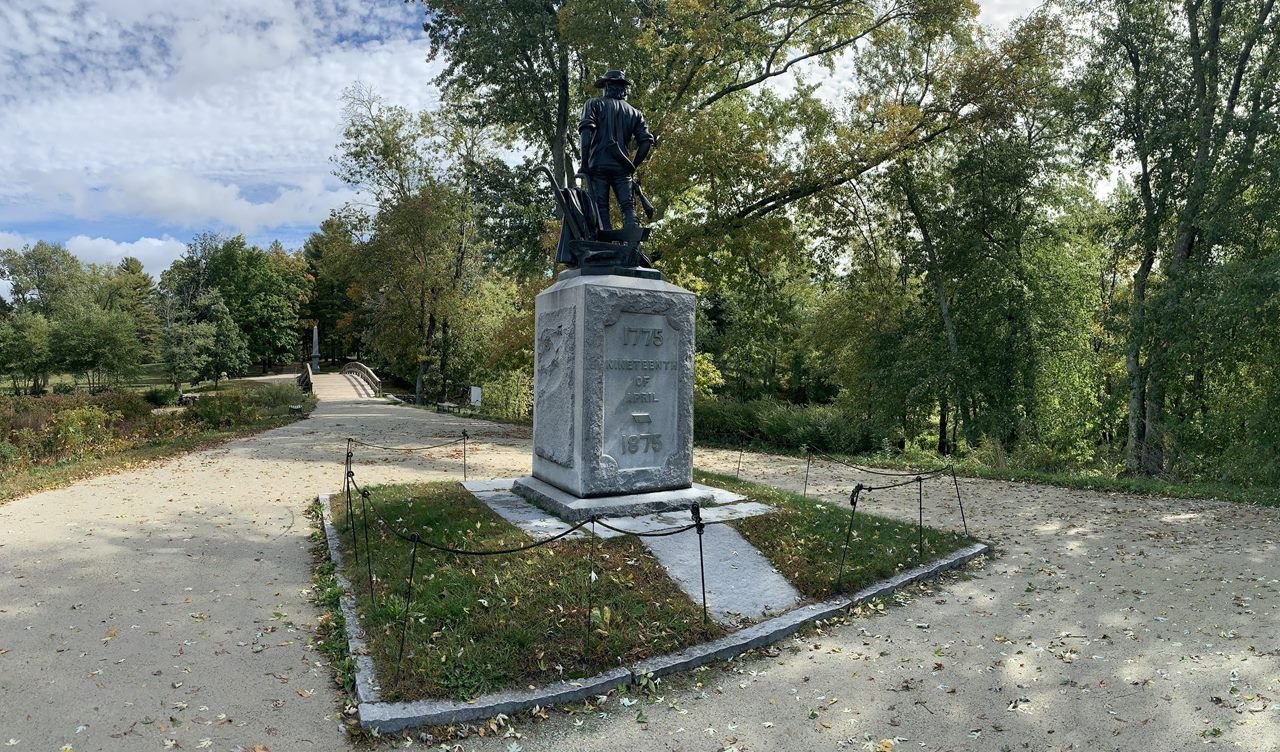
The state of the Minute man stands atop a stone base. The wooden North Bridge is seen in the distanc
Historic landscape walk

Battle Road Trail

Explore the landscape of April 19, 1775 between Lexington and Concord. The trail, historic houses and interpretive stops help visitors understand the opening fighting of the American Revolution.

Discover the story →
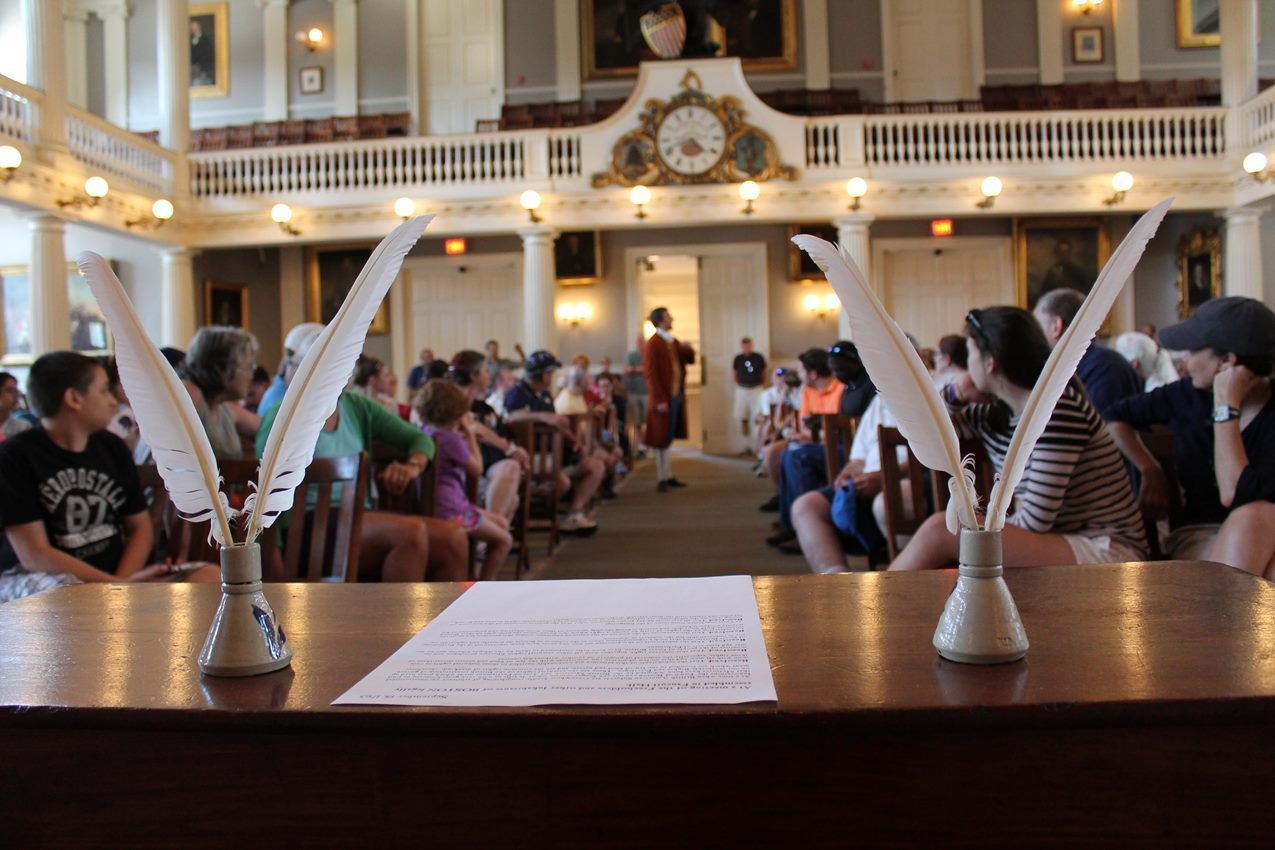
A desk with paper and two sets of quills frame a person in colonial wear standing in the aisle.
Urban heritage walk

Freedom Trail · Boston

Walk Boston’s revolutionary-era story through meetinghouses, burial grounds and public spaces. Give yourself time to go inside selected sites instead of hurrying from marker to marker.

Discover the story →
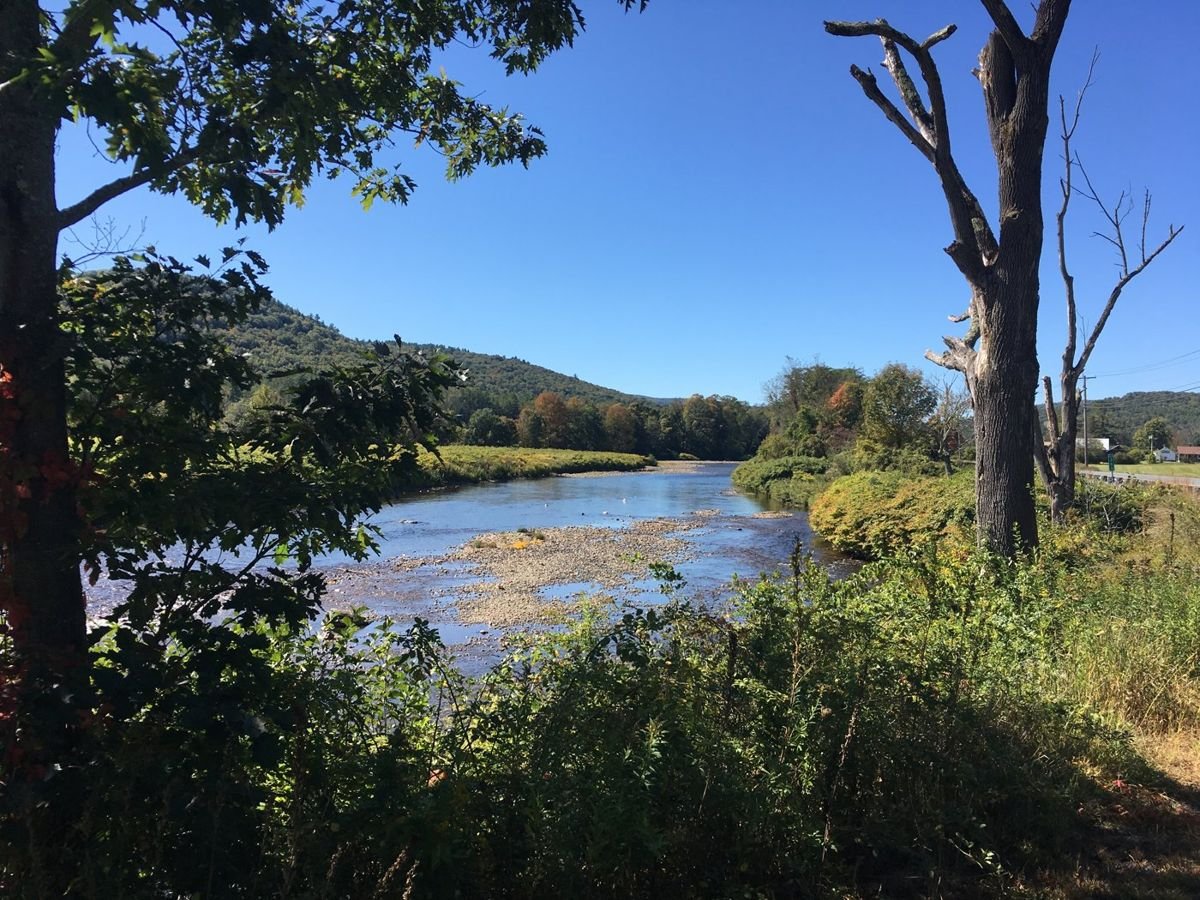
This photo is of the view of the Deerfield River as seen from the pull-off area on the south side of the Byway. The view is to the west and there are trees and vegetation in the foreground, the foothills of the Berkshire Mountains in the background, and the Deerfield River.
Designated byway

Mohawk Trail Scenic Byway

The Mohawk Trail Scenic Byway celebrates the history, heritage, and natural beauty of an important regional travel route. The Mohawk Trail is steeped in local and regional history and acts as a microcosm of the broader history of the region. Approximately 12,000 years ago, Native Americans used this route to travel between the Hudson River and Connecticut River Valleys. Later, the European settlers used the route, and eventually altered it, to support travel by horse and cart. As the use of automobiles increased, this route became the first to be constructed as a scenic auto touring route.

Discover the story →