Earthen architecture, market streets and musical traditions.
Bobo-Dioulasso offers a different cultural perspective from the capital. The old mosque, the surrounding urban neighbourhoods and the city’s musical associations make it important to the country’s story. Its heritage should not be confused with permission or advice to travel there now.
Cultural reference · current travel warningFocus · people & heritageContext before itineraries
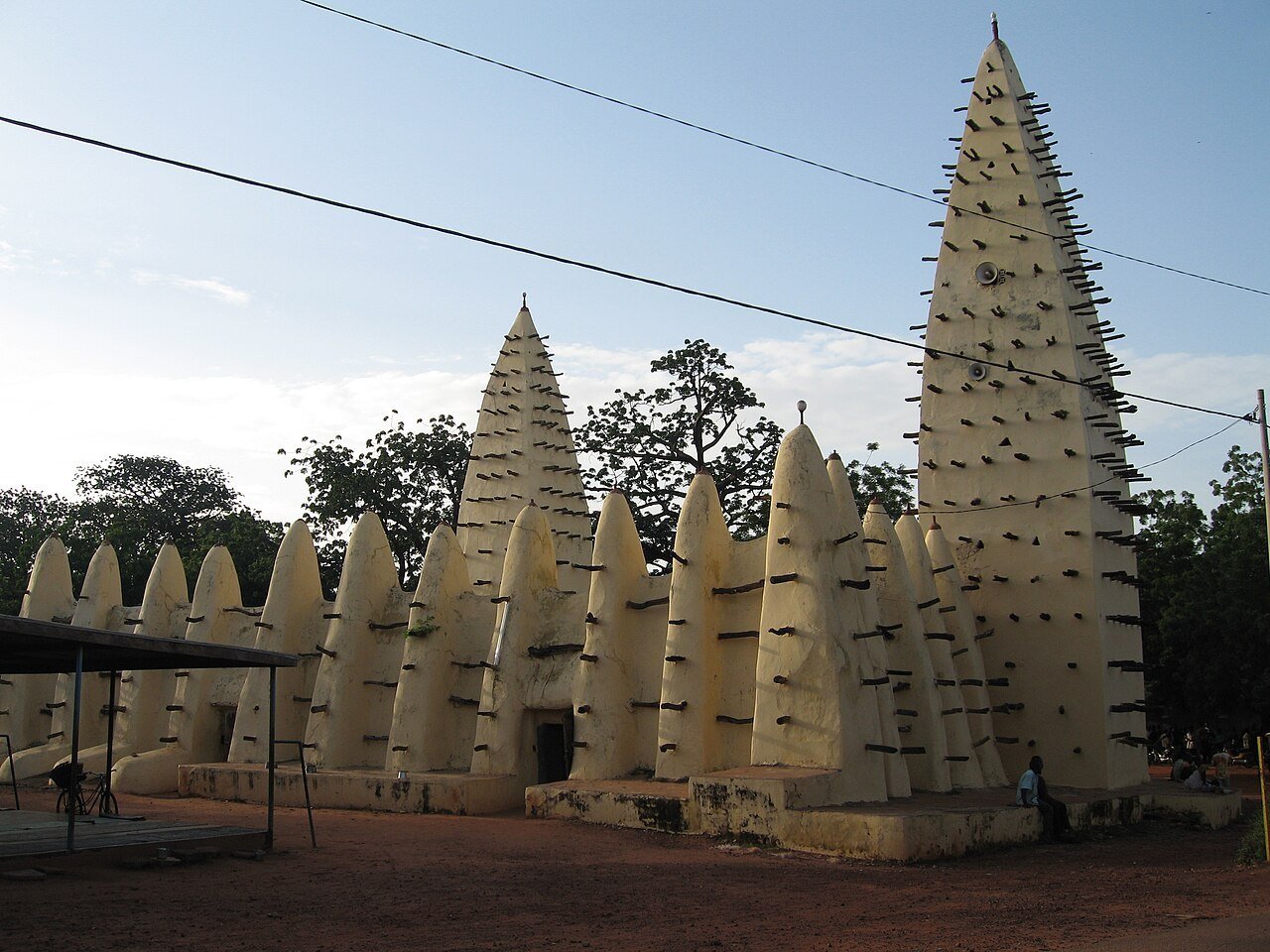
The mosque’s earthen walls and projecting timbers are a distinctive expression of local building traditions. Read our focused attraction page for context. It is a religious site, not simply a photographic backdrop.
Notice how the mosque’s surfaces, timbers and overall form work together. Maintenance is part of the building’s life; avoid describing earthen architecture as an unchanging relic.
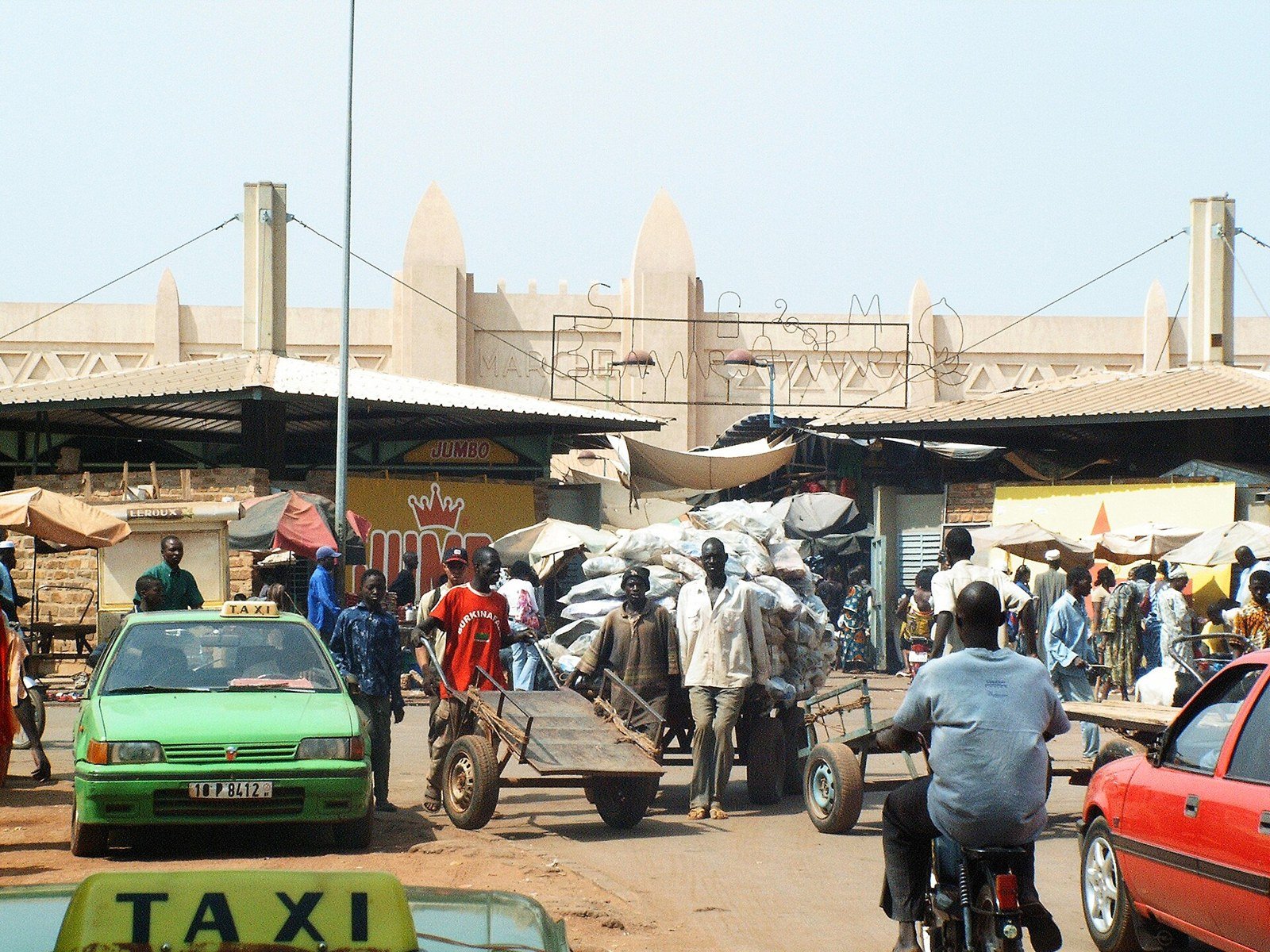
Market photographs record a working city rather than a staged attraction. Any future visit should respect traders’ time, ask before taking portraits and use locally agreed guidance.
Read market scenes as records of commerce and livelihoods. The people in them are not decorative background, and an old photograph should not be used to infer present trading conditions or access.
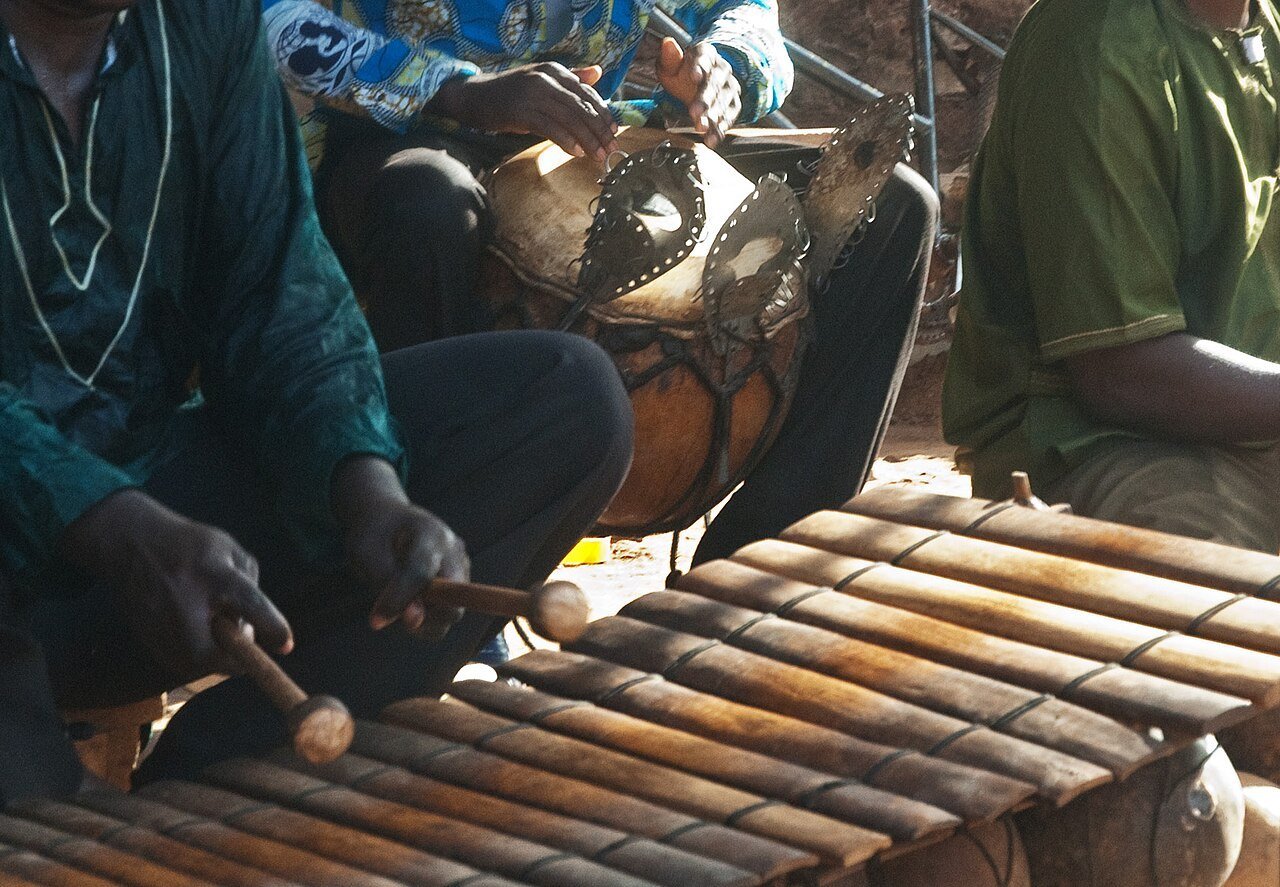
The city is associated with musical and craft traditions, including balafon culture. Seek the specific artist or community behind a performance instead of presenting every style as interchangeable.
Listen for the individual musicians and instruments rather than using a generic soundtrack as a substitute for context. Balafon traditions connect communities across borders; attribution to performers matters.
This is a cultural reference, not a current touring recommendation. Do not use older itineraries, hotel listings or photographs as evidence that a journey is safe or permitted.
A closer cultural reading
Compare the mosque’s architecture with the city’s musical life and makers. They offer complementary perspectives on a working city rather than a single exotic attraction.
Local life, one meal at a time
Eat & drink.
Ask about local rice, grain and sauce dishes, with ingredients explained by the cook. Food culture varies between households and communities.
Use food descriptions to learn about people and place, without assuming a restaurant or market is currently accessible. Where possible, seek the cook’s or producer’s own account of the ingredients and preparation.
Cultural hospitality should never be treated as an entitlement to enter a private home or photograph a family meal.
The right base changes the visit
Where to stay.
CHOOSE YOUR SETTING
Location before labels.
Accommodation information is retained as a clearly labelled contact reference. It is not an endorsement of a journey, and neither an old review nor an active booking page verifies present conditions.
DIRECT CONTACT · REFERENCE ONLY
Villa Bobo
Direct accommodation reference only; confirm identity, current operation and conditions independently.
A contact example, not an inspection or endorsement. Confirm current operation, room access, total price and cancellation terms directly.
Arrival & local movement
Travel context.
Do not turn the locations on this page into a current route. Official advice remains against travel. The focused mosque page and identified cultural sources support research, not an assurance that a driver, market or performance can be booked safely.
Useful contacts
Go to the source.
Use current official information for access and conditions, and the destination or property itself for its own services. An old photograph or previously published itinerary does not establish today’s arrangements.
Photographs are credited beside each image and may show earlier conditions. The suggested pacing and base comparisons are ATA editorial planning ideas, not bookable itineraries or guaranteed operating information.