Cinema, craft and the cultural life of Burkina Faso’s capital.
Ouagadougou, often shortened to Ouaga, is the country’s administrative and cultural centre. Film, craft and contemporary creative work are central to understanding it. This guide introduces that cultural landscape while separating it clearly from current travel conditions.
Cultural reference · current travel warningFocus · people & heritageContext before itineraries
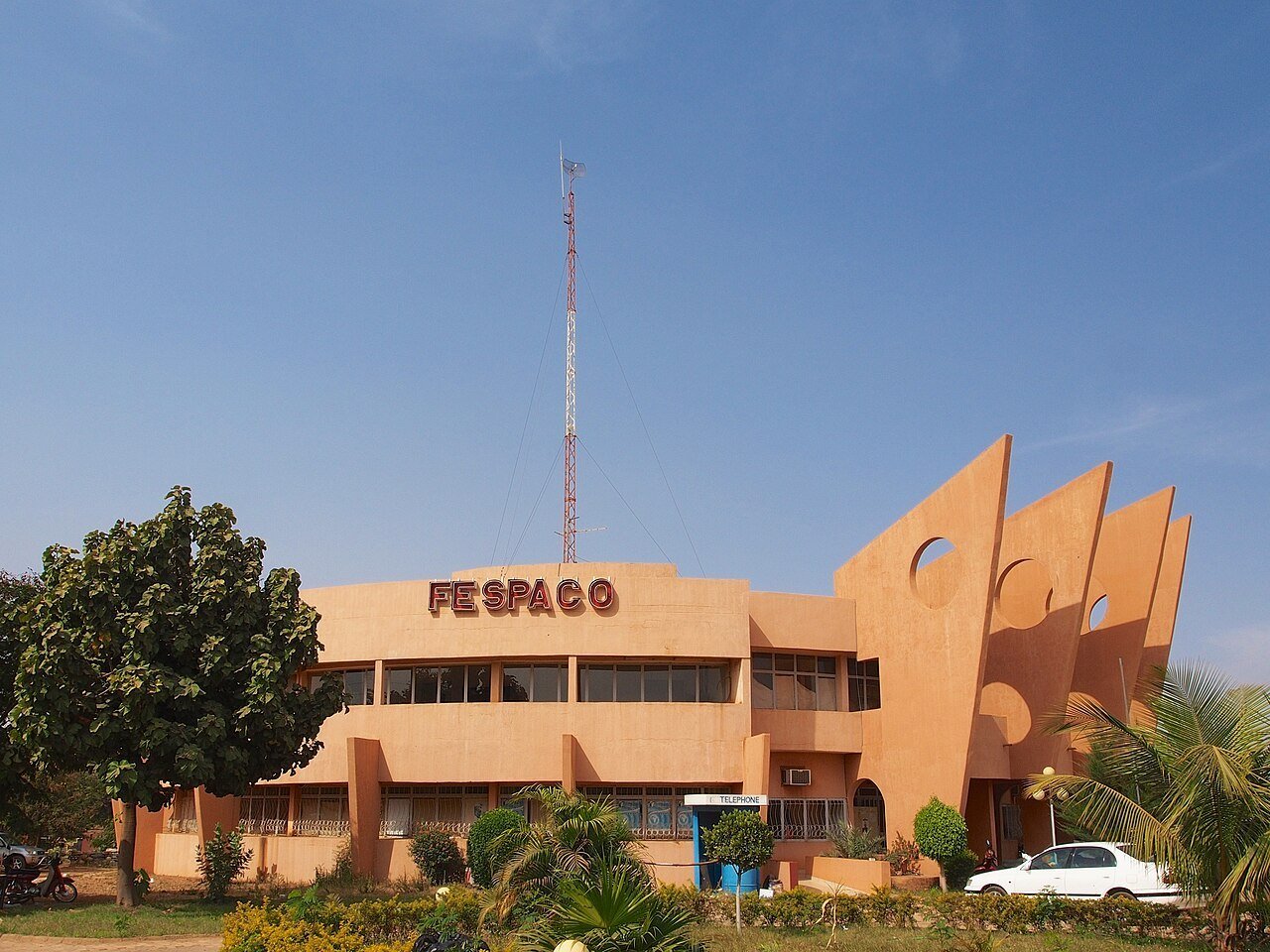
The city is closely associated with FESPACO, the Pan-African film festival. Its history offers a way into African cinema far beyond a single event. Consult the festival organisation for confirmed programming; never infer an event date from an older guide.
Explore FESPACO through its films, filmmakers and official programme archives. A festival headquarters photograph provides context, but it does not confirm that a screening or public event is taking place now.
Textiles, metalwork and other crafts connect skilled makers with urban markets. When researching a piece, ask who made it, where it was produced and what materials it contains. Avoid treating every item sold locally as a locally made original.
Look for the maker’s name and the material history of an object. A textile or metalwork piece becomes much more informative when it is connected to a particular workshop rather than labelled simply African craft.
Museums can help place the country’s many communities and histories in context. Present operation, public access and any permissions must be checked directly; this page does not establish them.
The National Museum is a starting point for learning about the country’s varied communities. Museum interpretation and contemporary artists can be read together, avoiding an image of Burkina Faso as culture frozen in the past.
This is a cultural reference, not a current touring recommendation. Do not use older itineraries, hotel listings or photographs as evidence that a journey is safe or permitted.
A closer cultural reading
A useful research sequence is cinema first, then craft makers and museum interpretation. Follow the people behind the work and compare their own explanations with older travel accounts.
Local life, one meal at a time
Eat & drink.
Riz gras is a well-known rice dish. Recipes vary, so ask about ingredients rather than assuming one fixed national preparation.
Use food descriptions to learn about people and place, without assuming a restaurant or market is currently accessible. Where possible, seek the cook’s or producer’s own account of the ingredients and preparation.
Cultural hospitality should never be treated as an entitlement to enter a private home or photograph a family meal.
The right base changes the visit
Where to stay.
CHOOSE YOUR SETTING
Location before labels.
The hotel contact below is a reference only. A response from a property, an available room or a quoted transfer does not supersede official advice or establish that the wider journey is safe.
DIRECT CONTACT · REFERENCE ONLY
Sopatel Silmandé
Published accommodation contact for reference only. A hotel’s operation does not establish safe travel or lawful entry.
A contact example, not an inspection or endorsement. Confirm current operation, room access, total price and cancellation terms directly.
Arrival & local movement
Travel context.
Current official advice is against travel. This page therefore provides no operational city itinerary or transfer recommendation. Researching a venue online, speaking with its organisation and watching authorised cultural material are useful ways to learn without treating old visitor routes as usable.
Useful contacts
Go to the source.
Use current official information for access and conditions, and the destination or property itself for its own services. An old photograph or previously published itinerary does not establish today’s arrangements.
Photographs are credited beside each image and may show earlier conditions. The suggested pacing and base comparisons are ATA editorial planning ideas, not bookable itineraries or guaranteed operating information.