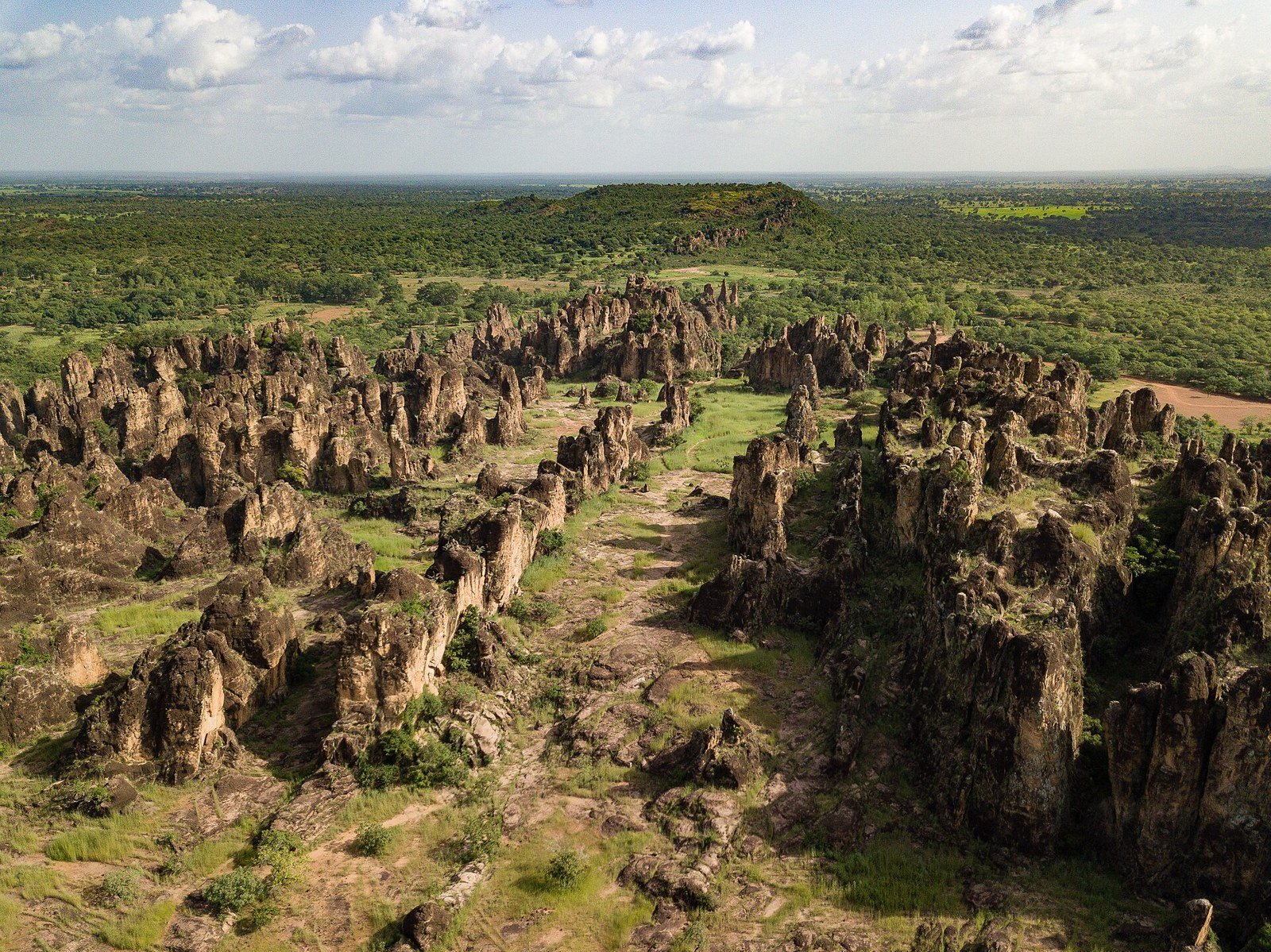
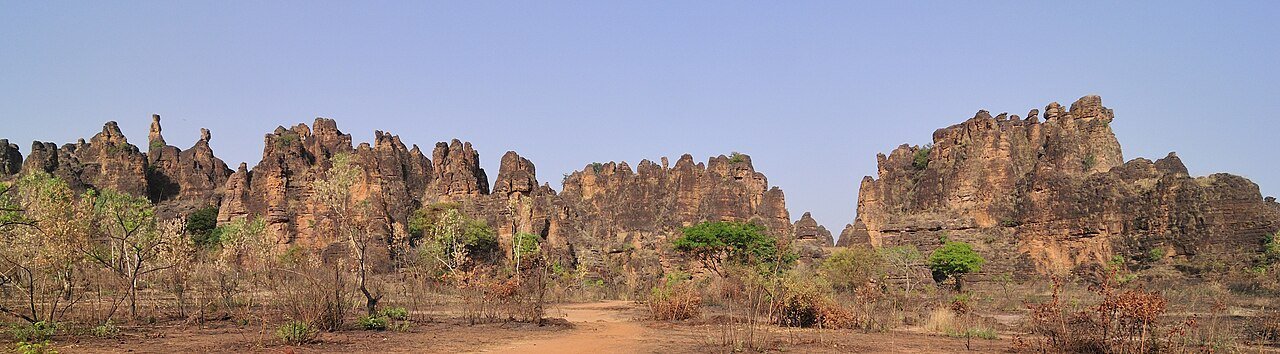
A landscape of sandstone forms in Burkina Faso’s southwest.
Sindou is known internationally for the sandstone formations near the town. Their shapes make the landscape memorable, but the surrounding area is also home to communities with their own histories and daily work. The rocks are one chapter in that larger setting.
Cultural reference · current travel warningFocus · people & heritageContext before itineraries
Erosion has produced a striking arrangement of rock forms. Photographs show only selected viewpoints; they cannot establish current access, suitable paths or the condition of the area.
Compare the silhouette of the sandstone formations with closer views. The scale and spacing of the rocks help convey the landscape better than a single tightly cropped pinnacle.
Separate the town from the nearby geological attraction when reading maps or older accounts. Distances and services should not be inferred from a general destination name.
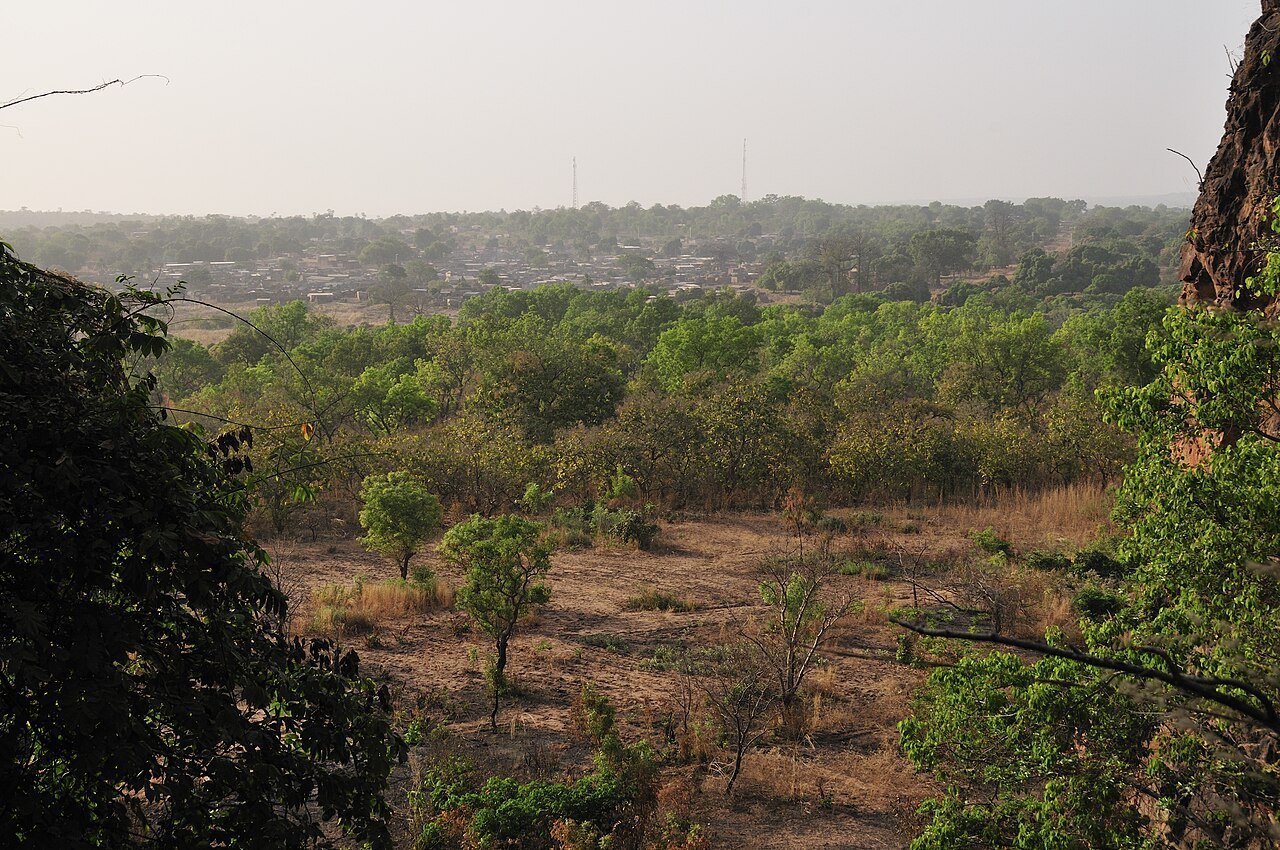
Look beyond the peaks to fields and settlement. The surrounding landscape is inhabited and worked, not an empty wilderness set aside for sightseeing.
Ask custodians about places with cultural significance and any restrictions on access or photography. A marked tourist viewpoint and a sacred location may require very different conduct.
Local names and stories deserve attribution. A visitor’s description of a mysterious rock does not replace the explanation of the people connected with that place.
This is a cultural reference, not a current touring recommendation. Do not use older itineraries, hotel listings or photographs as evidence that a journey is safe or permitted.
A closer cultural reading
Compare broad views of the formations with images of the countryside. This adds geographical context while avoiding the mistaken impression that the attraction and the town are the same place.
Local life, one meal at a time
Eat & drink.
If researching local cuisine, identify the particular community or maker. Avoid reducing the diverse southwest to a single dish or supposedly universal custom.
Use food descriptions to learn about people and place, without assuming a restaurant or market is currently accessible. Where possible, seek the cook’s or producer’s own account of the ingredients and preparation.
Cultural hospitality should never be treated as an entitlement to enter a private home or photograph a family meal.
The right base changes the visit
Where to stay.
CHOOSE YOUR SETTING
Location before labels.
No lodge or guide operation is verified by this page. Treat historical listings as research leads, not a recommendation to make a reservation or deposit.
LOCAL ENQUIRIES
Confirm the exact place.
No currently operating accommodation is asserted for this destination. Use the official visitor source to identify the appropriate local contact, and check the exact address and travel conditions before making arrangements.
No current walking or driving route is recommended under the official do-not-travel advice. An old marked path, guide contact or photograph does not establish safe present access.
Useful contacts
Go to the source.
Use current official information for access and conditions, and the destination or property itself for its own services. An old photograph or previously published itinerary does not establish today’s arrangements.
Photographs are credited beside each image and may show earlier conditions. The suggested pacing and base comparisons are ATA editorial planning ideas, not bookable itineraries or guaranteed operating information.