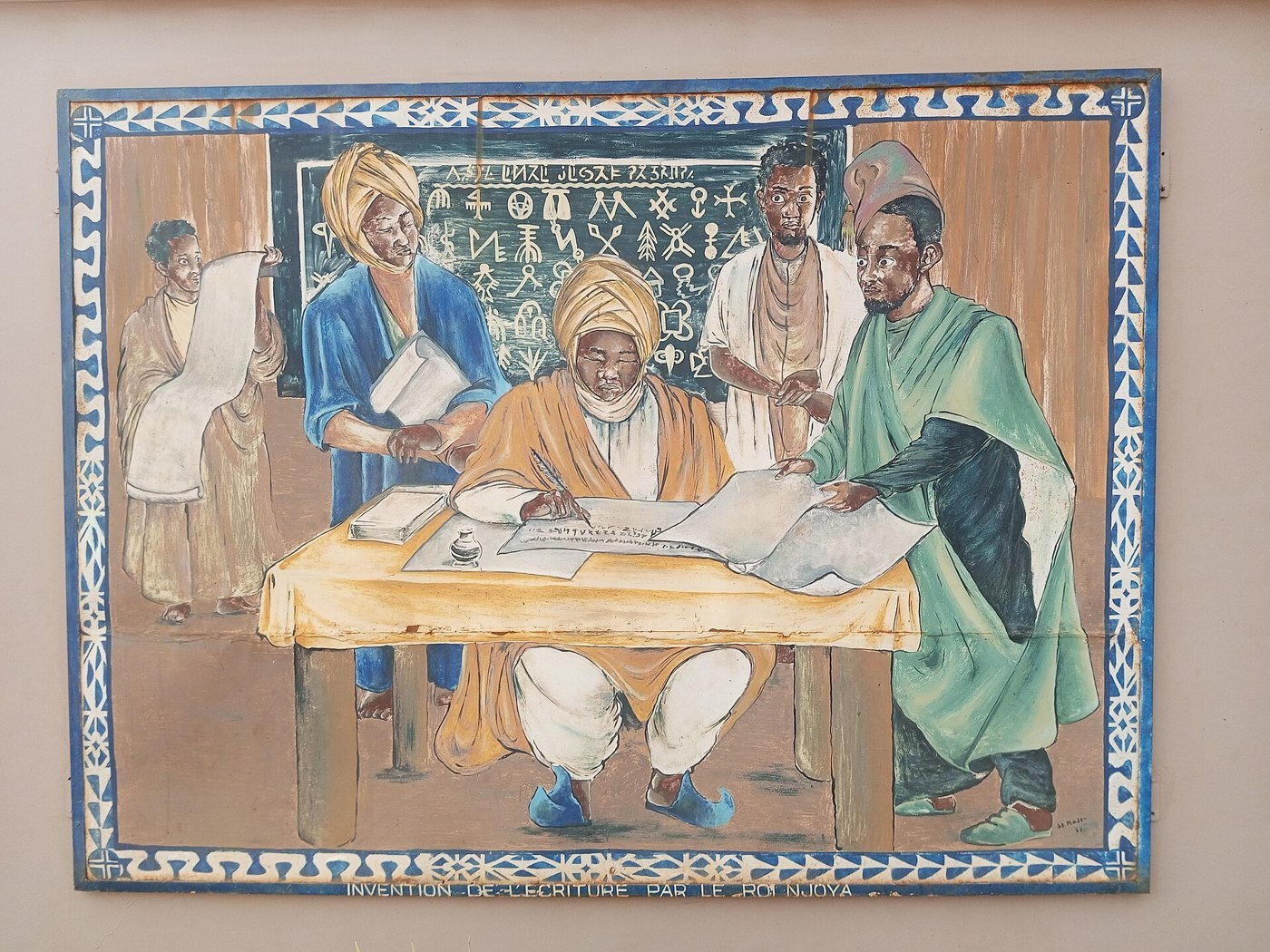
Foumban is a place to explore Bamum history, court traditions, craftsmanship and the development of the Bamum script. The royal precinct and museums work best with interpretation that distinguishes historical objects from living institutions. Plan the visit with local hosts and current route advice.
Explore · culture & landscapePlan · at your own paceCheck · current access
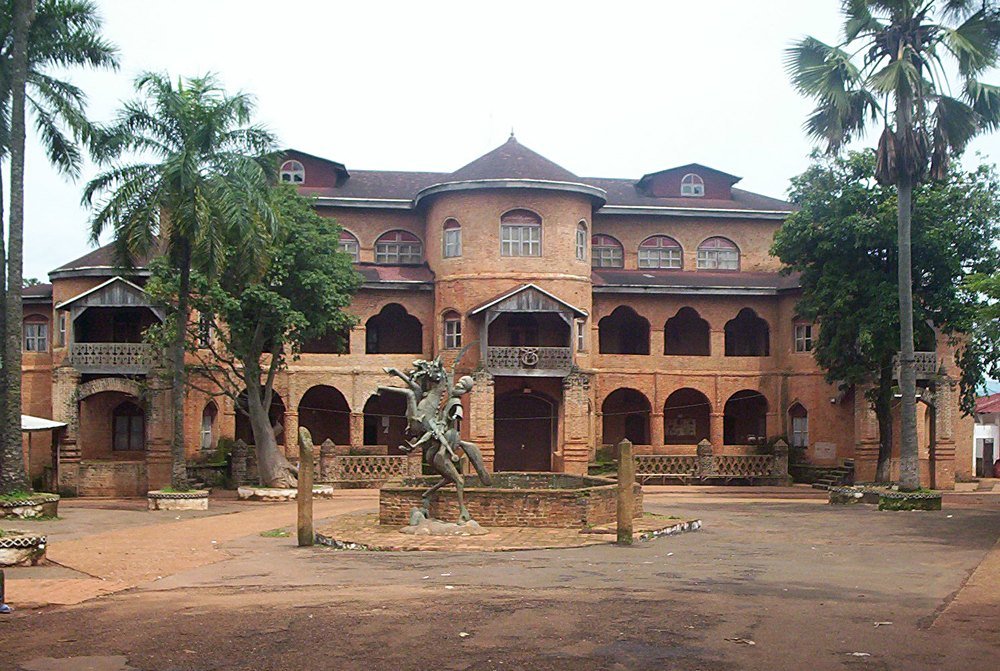
The palace is a strong architectural presence and a point of entry into royal history. Ask which areas are public and how visits are organized today. A guide can explain the relationship between the institution, the city and its communities. Respect restricted areas and avoid assuming that a ceremonial place operates like an unrestricted public monument.
The royal collections introduce objects, symbols and historical narratives that need explanation rather than a quick glance. Ask about the current museum building and route, since older photographs may show earlier arrangements. Discuss the provenance and use of objects with the guide. Confirm photography rules before taking pictures of displays.
The royal-city setting in FoumbanUnknown · CC BY-SA 3.0 · Resized; display crop.
03
Crafts and the city
Craft work can add a present-day perspective to the royal history. Arrange visits to workshops that welcome visitors and let makers explain materials and techniques. Ask whether an object is contemporary work, a reproduction or something with cultural restrictions. Avoid purchasing material whose legal export or provenance is unclear.
Give the place enough time
Plan a better visit.
Pace & priorities
Allow a substantial guided visit to the royal and museum precinct, followed by a separate craft appointment or town walk. Do not use a long arrival drive as the reason to hurry the collections. Confirm the whole western road route against current regional advice.
Before you book
Confirm the guide’s language, the exact route, included fees and cancellation terms. For a group, ask about toilets, shaded breaks, steps and a shorter alternative. Reserve the main visit before arranging additional stops, and keep transport margins realistic.
Ask hosts about local dishes and the ingredients used in sauces and accompaniments. A prearranged restaurant meal gives a group a reliable pause between cultural visits. Explain allergies directly and keep drinking-water arrangements clear.
Give the meal its own time in the day. Ask what is seasonal and where ingredients come from. For allergies or dietary requirements, confirm ingredients directly with the kitchen rather than relying only on a translated menu.
Choose a base that fits the visit
Where to stay.
Location before labels
Choose between staying in Foumban and using another verified western base according to the actual road plan. Check current operation, room condition, communication and vehicle access directly. An overnight stop should reduce travel fatigue rather than simply add another hotel change.
Ask the practical questions
Confirm the exact address, current operation, room access, bathroom layout, meal arrangements and total price directly. For a group, ask for a written room allocation and transport plan. These base comparisons are planning guidance; no individual property is being presented as inspected or endorsed.
Arrange daylight road travel with a provider who knows current conditions and the distinction between the West Region and restricted neighboring areas. Confirm museum appointments before the vehicle leaves. Keep a realistic contingency if access or the route changes.
Go to the source
Useful information.
Use current official advice for conditions, the operator for its services and the venue for its opening arrangements. A photograph or older itinerary cannot establish today’s access.
Reviewed 11 November 2026. Suggested pacing and accommodation comparisons are ATA editorial ideas, not bookable offers or inspected-property endorsements. Confirm current access directly. Photographs are credited beside each image and may show earlier conditions.