Museums and forest conservation around the capital
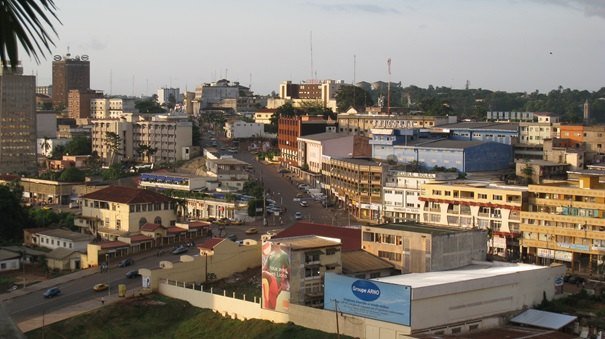
Yaoundé’s hills and civic buildings form a useful starting point for understanding Cameroon. Give the National Museum time, then choose a separate conservation visit if current access allows. The capital is a working city with traffic and administrative routines, so an organized local introduction is more useful than a hurried list of monuments.
Explore · culture & landscapePlan · at your own paceCheck · current access
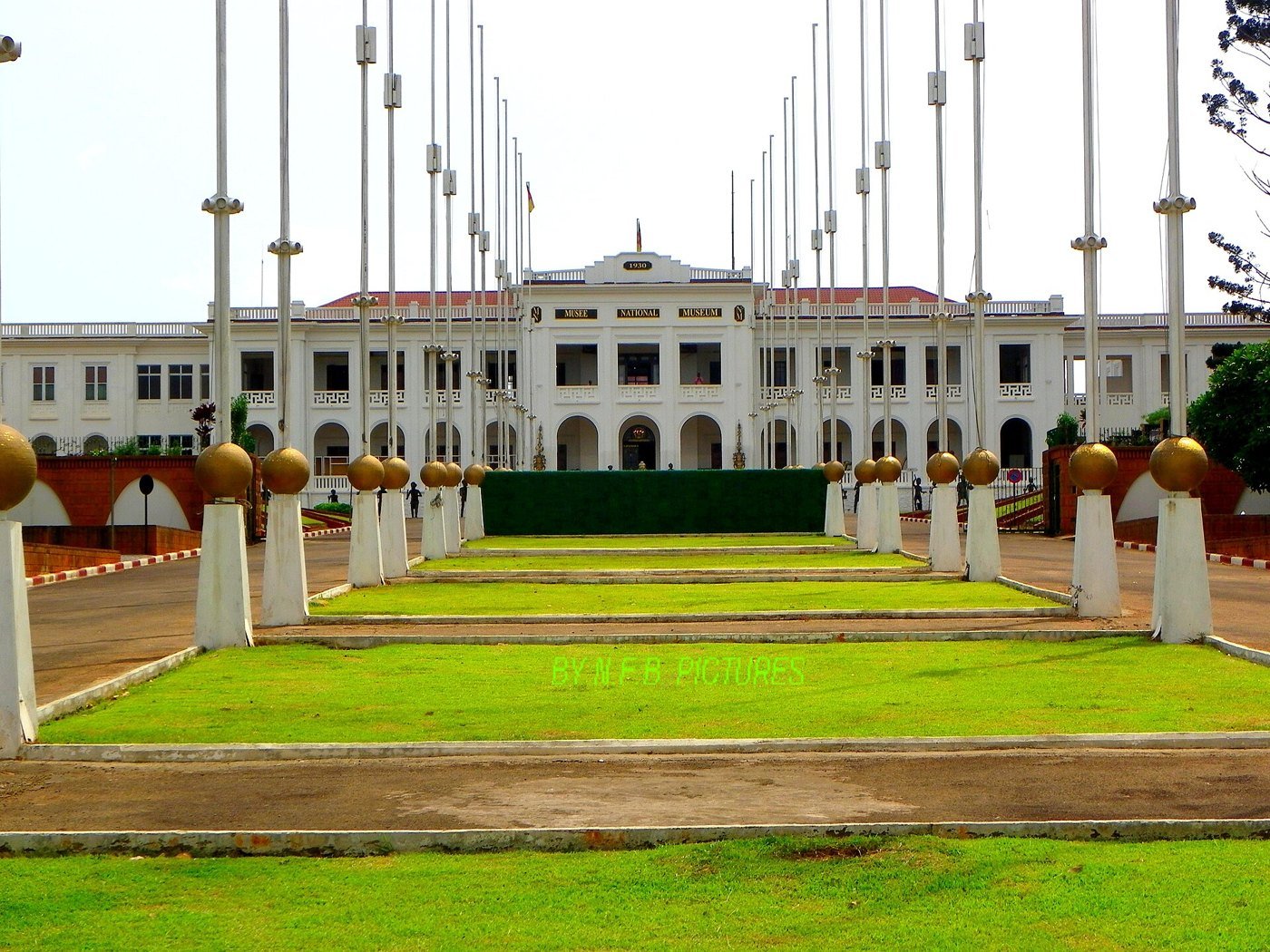
The museum occupies a former presidential residence and introduces several strands of Cameroonian heritage. Ask which collections and rooms are currently accessible and whether an English- or French-speaking guide is available. Objects make more sense when related to their communities and uses. Do not assume photography, group entry or step-free access is included without checking.
A guided city orientation can explain the relationship between the hills, government districts and everyday commercial areas. Choose stops with safe access and permission to photograph. Government and security buildings should not be treated as casual photo subjects. Allow for traffic and use the time to learn how the city functions today.
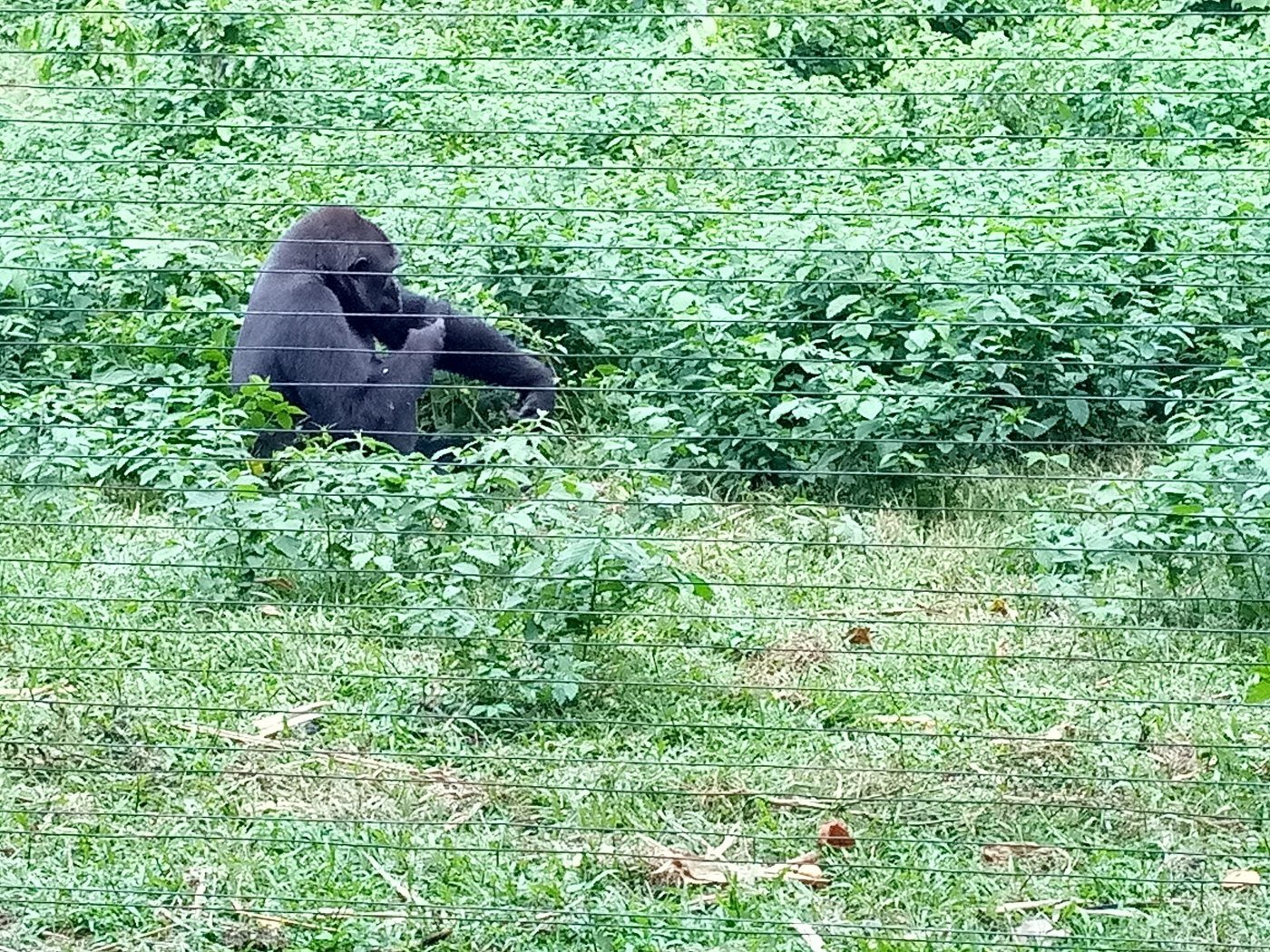
Ape Action Africa’s sanctuary focuses on rescued primates and long-term care. A visit should support that purpose, not promise close contact with animals. Confirm visiting arrangements directly with the organization, follow staff instructions and maintain the required distance. Allow time for the forest setting and the conservation explanation as well as animal observation.
Give the place enough time
Plan a better visit.
Pace & priorities
Use one day for the museum and a selective city orientation. Arrange Mefou as a separate outing with confirmed access and transport. Keep the program adaptable to weather, traffic and current security advice; a sanctuary visit is not a guaranteed wildlife spectacle.
Before you book
Confirm the guide’s language, the exact route, included fees and cancellation terms. For a group, ask about toilets, shaded breaks, steps and a shorter alternative. Reserve the main visit before arranging additional stops, and keep transport margins realistic.
Try a restaurant that can explain dishes such as ndolé and the accompaniments served with them. Menus vary, and sauces may contain peanuts, fish or shellfish. Agree a group meal in advance and ask for cooked dishes served fresh rather than relying on an unplanned stop.
Give the meal its own time in the day. Ask what is seasonal and where ingredients come from. For allergies or dietary requirements, confirm ingredients directly with the kitchen rather than relying only on a translated menu.
Choose a base that fits the visit
Where to stay.
Location before labels
Choose a well-managed base with dependable transport arrangements and clear communication. Compare the actual neighborhood and arrival route, not simply a central map pin. For groups, ask about vehicle access, room allocation, power and water contingencies and the handling of late arrivals.
Ask the practical questions
Confirm the exact address, current operation, room access, bathroom layout, meal arrangements and total price directly. For a group, ask for a written room allocation and transport plan. These base comparisons are planning guidance; no individual property is being presented as inspected or endorsed.
Arrange airport and road transfers through a vetted provider. Allow traffic margins and travel in daylight where practicable. A forest excursion needs an agreed pickup, return and communication plan rather than an informal assumption that transport will be available at the gate.
Go to the source
Useful information.
Use current official advice for conditions, the operator for its services and the venue for its opening arrangements. A photograph or older itinerary cannot establish today’s access.
Reviewed 11 November 2026. Suggested pacing and accommodation comparisons are ATA editorial ideas, not bookable offers or inspected-property endorsements. Confirm current access directly. Photographs are credited beside each image and may show earlier conditions.