
Venetian harbour
Walk around the small basin and notice its towers and historic monuments.
Official visitor information ↗
WESTERN GREECE · HARBOUR & HILLSIDE
A tiny fortified harbour with a much bigger story.
Nafpaktos makes a rewarding mainland pause, with a harbour that invites you to stop and a castle that changes your perspective. Enjoy the waterfront first, then decide how to approach the hill. The town works well as an overnight chapter in a longer road journey.
Nafpaktos is organised around the relationship between its small fortified harbour and the castle rising above it. Successive lines of defence follow the hillside, while the town extends along the shore beyond the enclosed port. Venetian and Ottoman layers remain visible within that compact setting. The historic name Lepanto recalls a wider Mediterranean history, but the harbour, lanes and waterfront also belong to a living western Greek town.
Suggested stay: 2 nights. Adapt the pace to your interests.
Walk around the small basin and notice its towers and historic monuments.
Official visitor information ↗
Follow the approved entrance route to the fortifications. The uphill walk is a separate effort.
Official visitor information ↗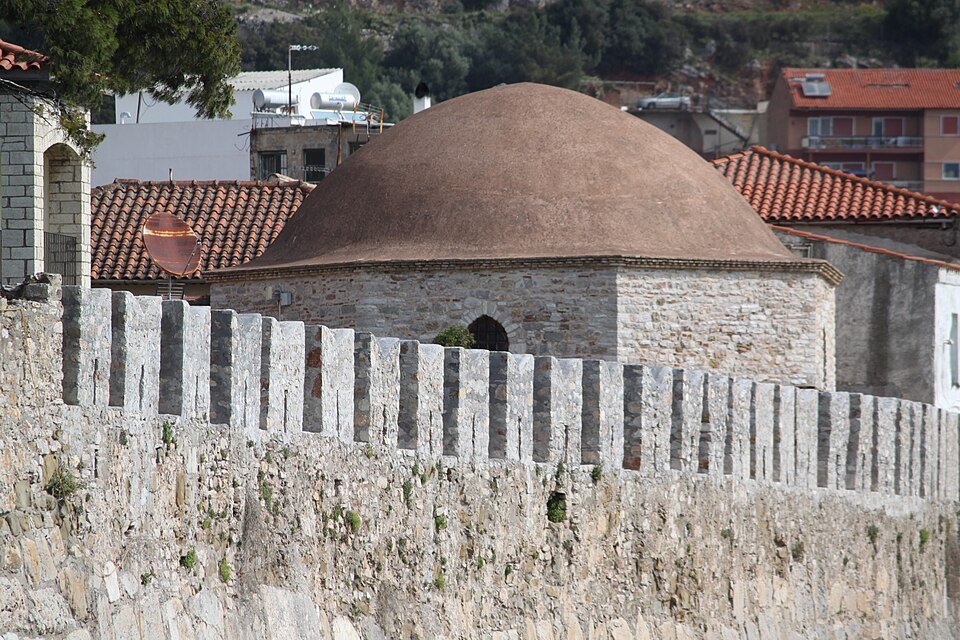
Explore behind the harbour towards the clock tower at a comfortable pace.
Official visitor information ↗
Choose one of the waterfront neighbourhoods for an easy promenade and café stop.
Official visitor information ↗Check castle opening arrangements. For a group, agree on the drop-off and a realistic uphill option.
The harbour and waterfront can fill a gentle day without making the castle climb compulsory.
The castle and old lanes have slopes and uneven surfaces. The promenade is a different, easier-paced outing.
Summer suits waterfront evenings, but heat makes a midday climb less appealing. Check winter opening hours.
A LOCAL DINING OPTION
Choose a harbour or beach-neighbourhood table and ask what is available that day. The local directory lists dining options.
Two places to consider, compare location and facilities directly with the property.
DIRECT PROPERTY CONTACT
A Psani beach location near the centre of Nafpaktos.
33 Athanasiadi Nova, Psani Beach, Nafpaktos 30300DIRECT PROPERTY CONTACT
A Gribovo beach base on the other side of the old harbour.
3 Korydaleos, Gribovo Beach, Nafpaktos 30300Fewer than 15 rooms? Contact the hotel directly. 15 rooms or more? Ask ATA for low group rates → We use existing agreements where available and negotiate for your group when needed. We respond within 48 hours, allowing for worldwide time zones.
Reach Nafpaktos by road, with the Rio–Antirrio crossing relevant to many Peloponnese approaches. Confirm current bus services and the last connection.
Official transport or local travel resource ↗Use the official resource below for local information, current visitor arrangements and tourism contacts. For a specific attraction or booking, contact its operator directly.
Official destination information ↗Written for ATA, published October 26, 2026. Official resources are linked beside the subjects they support. A live source link is not a guarantee that conditions will remain unchanged.
Attraction descriptions and photograph credits reviewed October 30, 2026.