
Medieval city
Explore the gates and lanes, keeping a little time for the streets beyond the busiest shopping route.
Official visitor information ↗
DODECANESE · MEDIEVAL STREETS
Stone gateways, a living old town and the sea just beyond.
Rhodes Town offers more than a castle postcard. Walk through the medieval streets, pause in a quieter square and leave time for the waterfront outside the walls. A separate island day can follow, but the town itself deserves an evening after the excursion crowds leave.
Rhodes’s medieval city preserves the setting of the Knights of St John alongside later Ottoman layers and a much older archaeological inheritance. Streets, fortifications and major institutional buildings express different uses of the walled town, while Mandraki opens another view of its maritime position. The palace and museum add depth to the streetscape, but their present displays and restored architecture should be understood as part of a layered history rather than as an untouched medieval scene.
Suggested stay: 3 nights. Adapt the pace to your interests.
Explore the gates and lanes, keeping a little time for the streets beyond the busiest shopping route.
Official visitor information ↗
Check the official admission arrangements for this monumental part of the old town.
Official visitor information ↗
Make an indoor history stop rather than seeing only the exterior fortifications.
Official visitor information ↗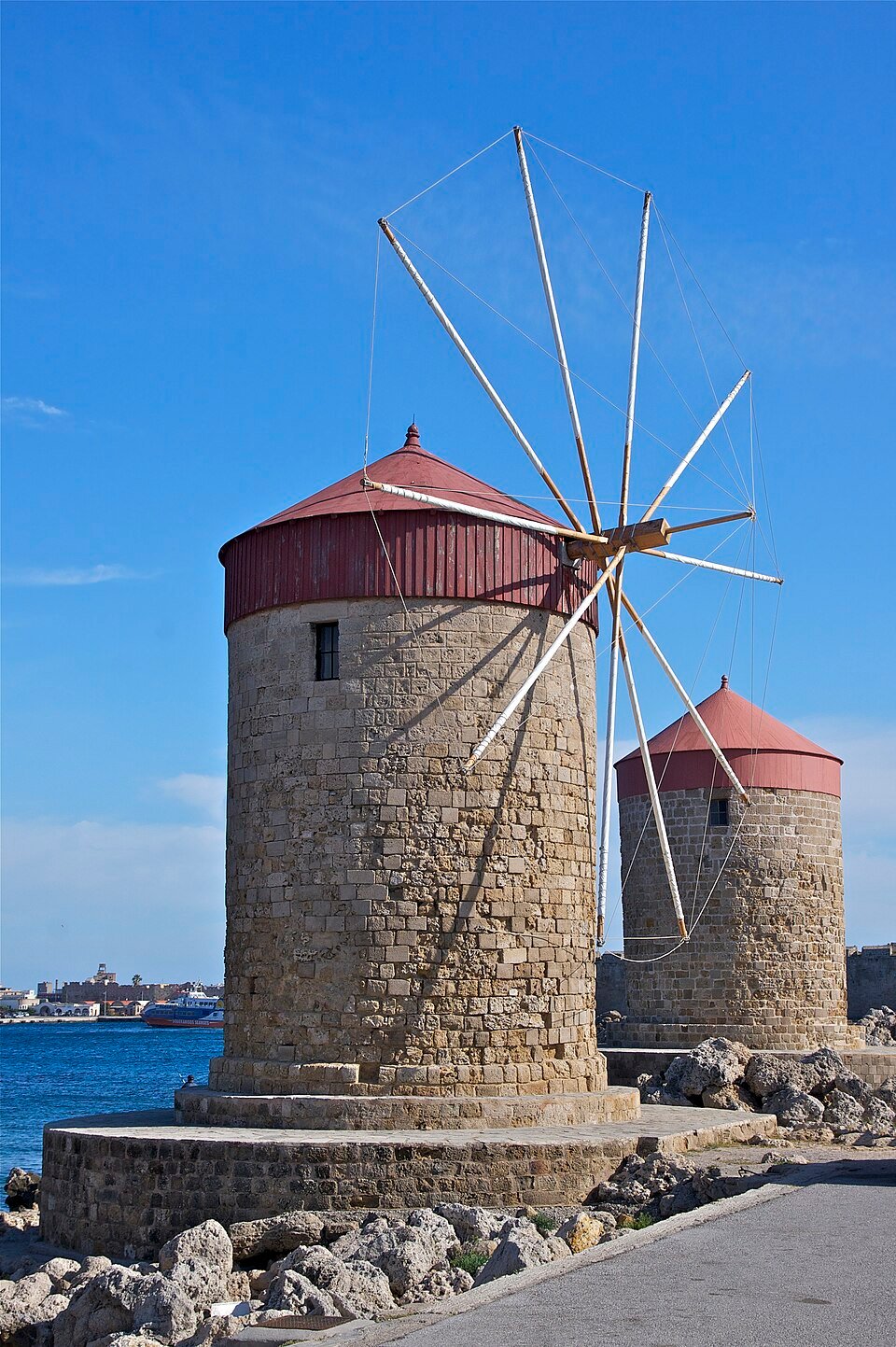
Walk outside the walls for a different view of the town and its maritime setting.
Official visitor information ↗Reserve accommodation early for peak season. Check monument opening days and arrange any guided visit directly.
A short gate-to-square walk can be more enjoyable than a long museum circuit in the heat.
Cobbled streets and steps make exact room access important. Ask an old-town hotel about luggage help before arrival.
Summer days can be very hot. Off-season visits need checks on seasonal businesses and transport.
A LOCAL DINING OPTION
Look for pitaroudia, chickpea fritters, and regional dishes beyond the familiar tourist menu. The municipal guide explains local specialities.
Two places to consider, compare location and facilities directly with the property.
DIRECT PROPERTY CONTACT
A city hotel outside the medieval lanes. Check current guest and room policies directly.
65 Amerikis Street, Rhodes 85100DIRECT PROPERTY CONTACT
A small old-town property in a historic setting. Ask about steps and the luggage approach.
14 Alexandridou, Old Town, Rhodes 85100Fewer than 15 rooms? Contact the hotel directly. 15 rooms or more? Ask ATA for low group rates → We use existing agreements where available and negotiate for your group when needed. We respond within 48 hours, allowing for worldwide time zones.
Rhodes airport and the ferry port have different approaches to the town. Confirm which harbour your vessel uses and where vehicles can reach your hotel.
Official transport or local travel resource ↗Use the official resource below for local information, current visitor arrangements and tourism contacts. For a specific attraction or booking, contact its operator directly.
Official destination information ↗Written for ATA, published October 26, 2026. Official resources are linked beside the subjects they support. A live source link is not a guarantee that conditions will remain unchanged.
Attraction descriptions and photograph credits reviewed October 30, 2026.