Dhow harbours, desert forts and a city built around the bay.
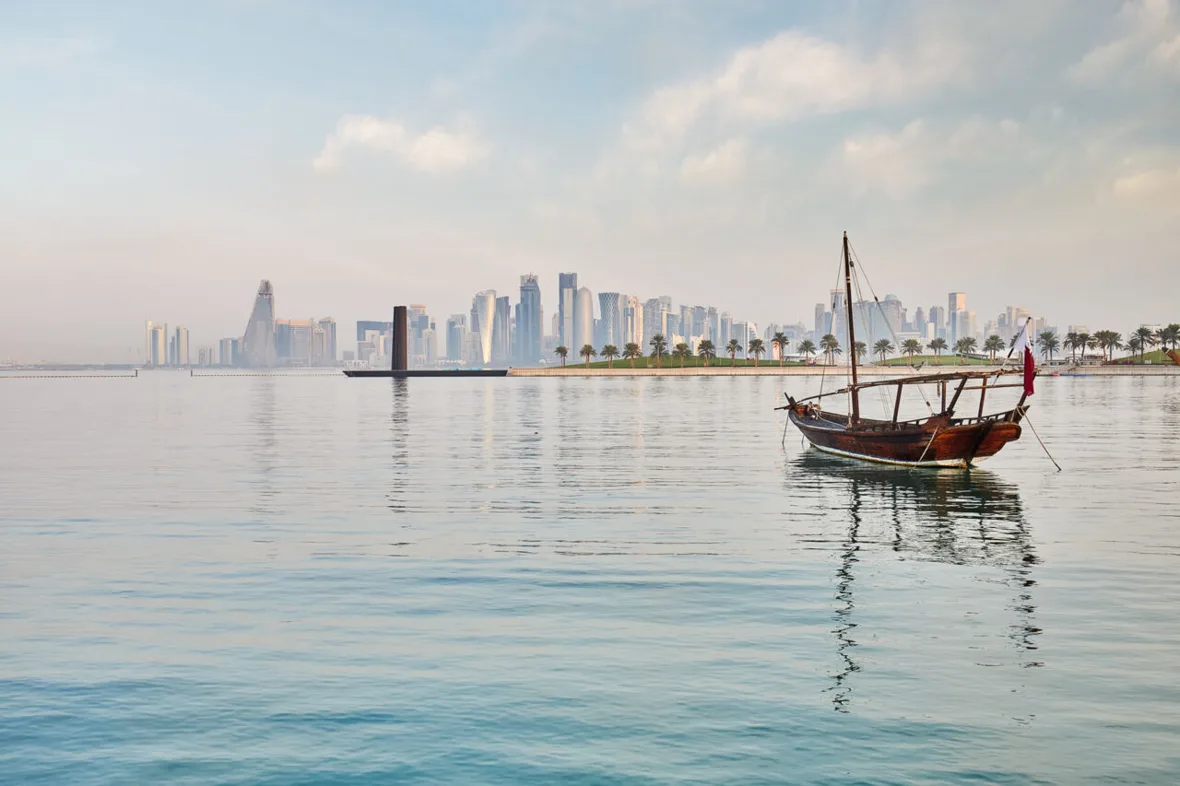
Start with a wooden dhow on Doha’s Corniche and the scent of cardamom in the souq. Beyond the capital, the peninsula opens into mangrove channels, abandoned trading settlements and dunes that run right down to the water.
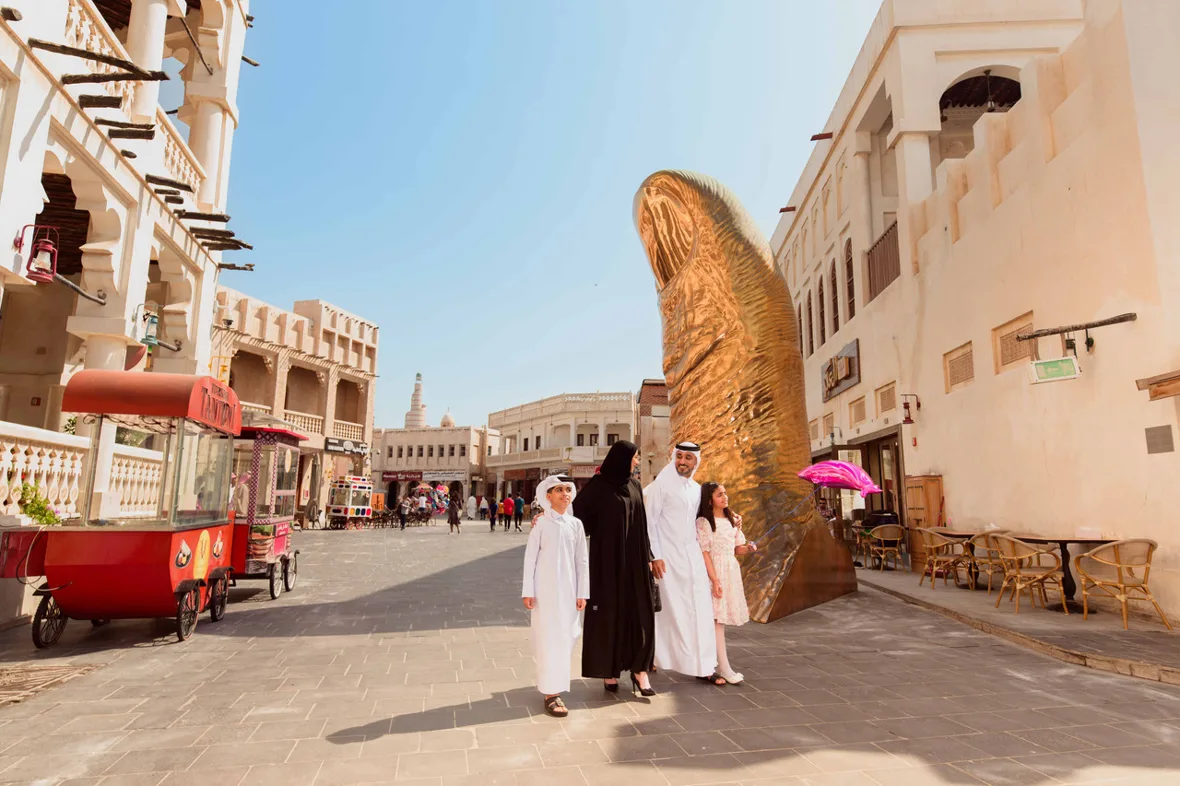
Start among fabric sellers and spice stalls at Souq Waqif. Walk the courtyard houses at Msheireb, then cross to the Museum of Islamic Art for a completely different view of the bay. Save the Corniche for the evening light.
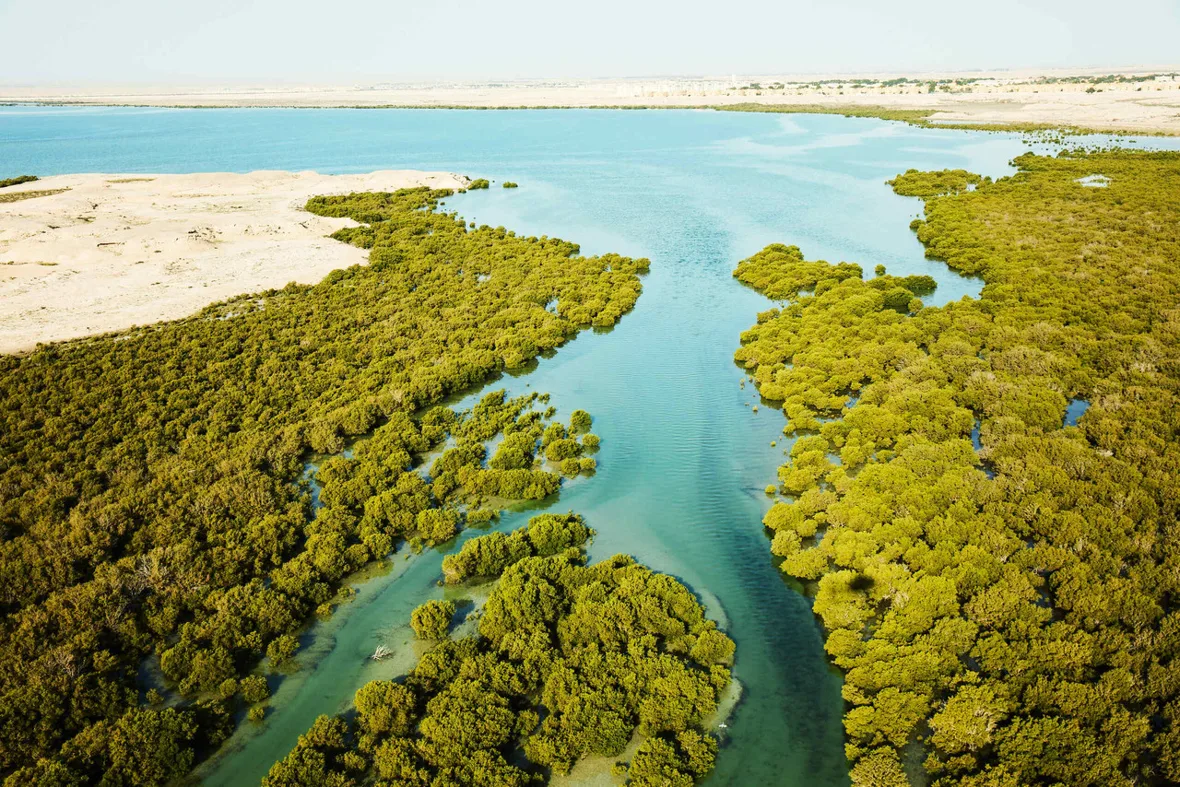
Al Khor makes a good lunch stop on the northeastern coast. Farther north, the tidal channels at Al Thakhira reward a slow paddle. Arrange the outing around the tide with a local kayaking operator, then leave time to visit the shore at Bin Ghannam, also known as Purple Island.
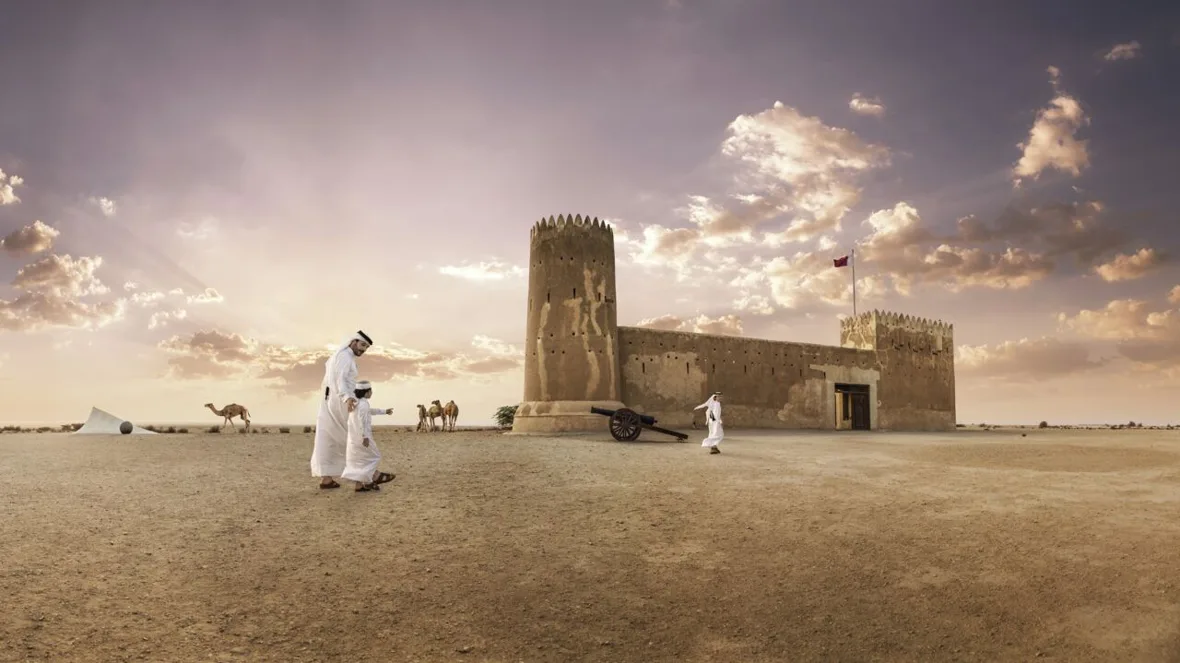
At Al Zubarah the familiar square fort introduces a much larger story. The excavated coastal town was a centre of pearling and trade. Start with the interpretation at the fort and ask which parts of the archaeological site visitors can see that day.
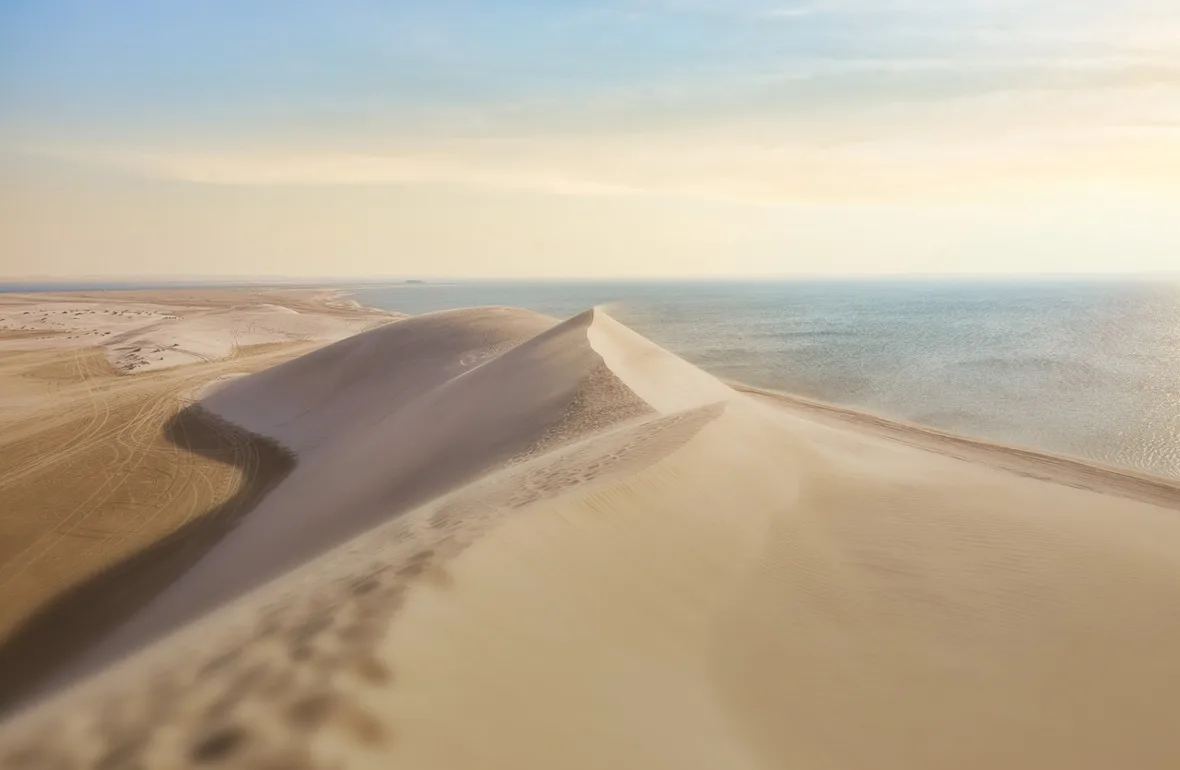
In Al Wakrah town, the old market lanes open onto a waterfront made for a long lunch. For a separate outing farther south, arrange a guided four-wheel-drive excursion to Khor Al Adaid, where sand dunes meet a tidal inlet.
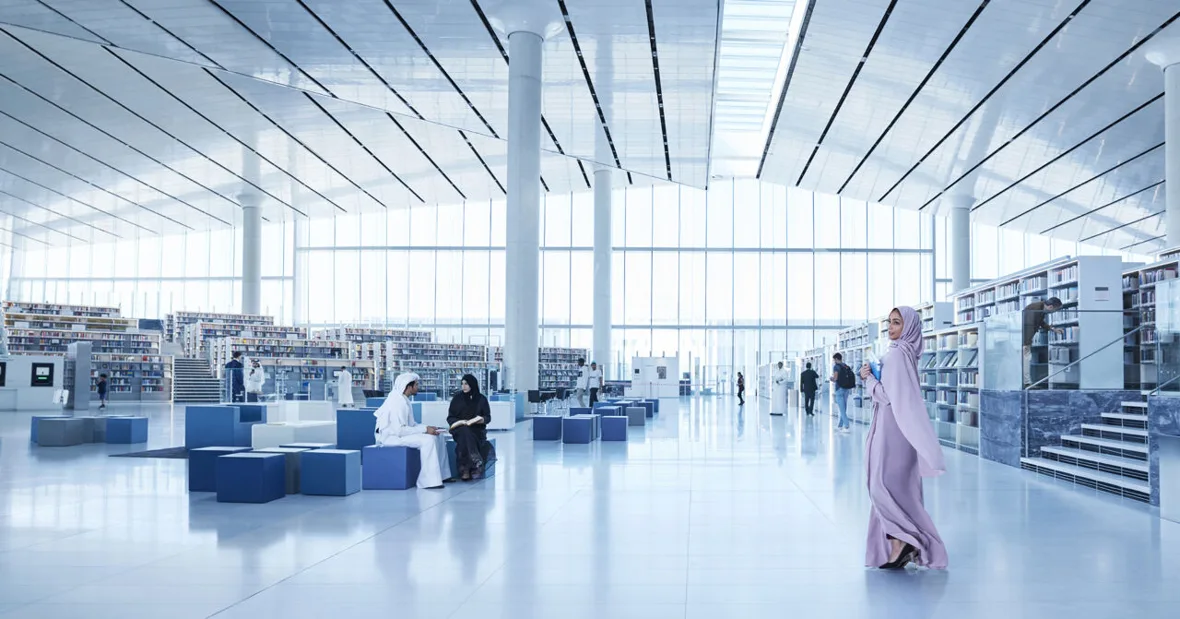
Inside Qatar National Library the shelves rise in terraces around a vast shared reading space. Pair the visit with Mathaf for modern Arab art, or look up at the soaring minarets of Education City Mosque. Pick two stops so there is time to linger.
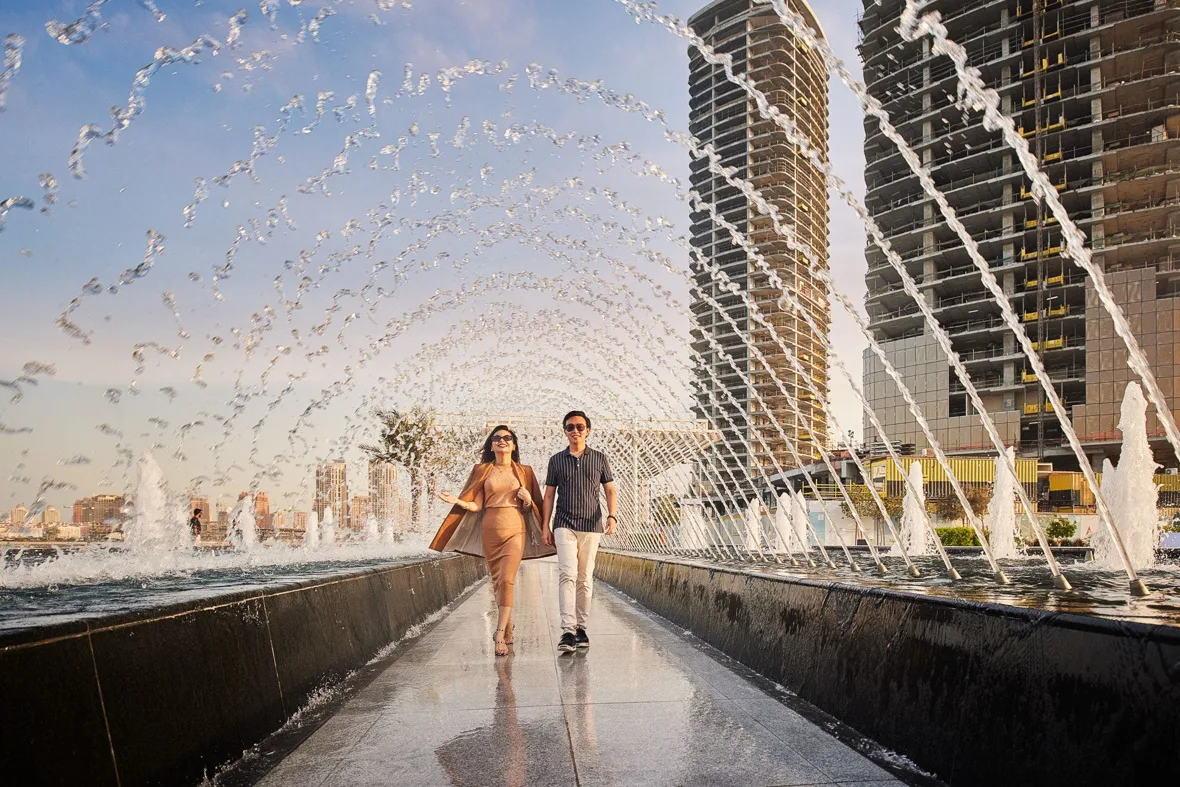
The marina promenade is an easy introduction to Lusail’s towers and waterfront. For a contrasting afternoon, look up at the glass roof of Place Vendôme before returning to the marina as the buildings begin to light up.
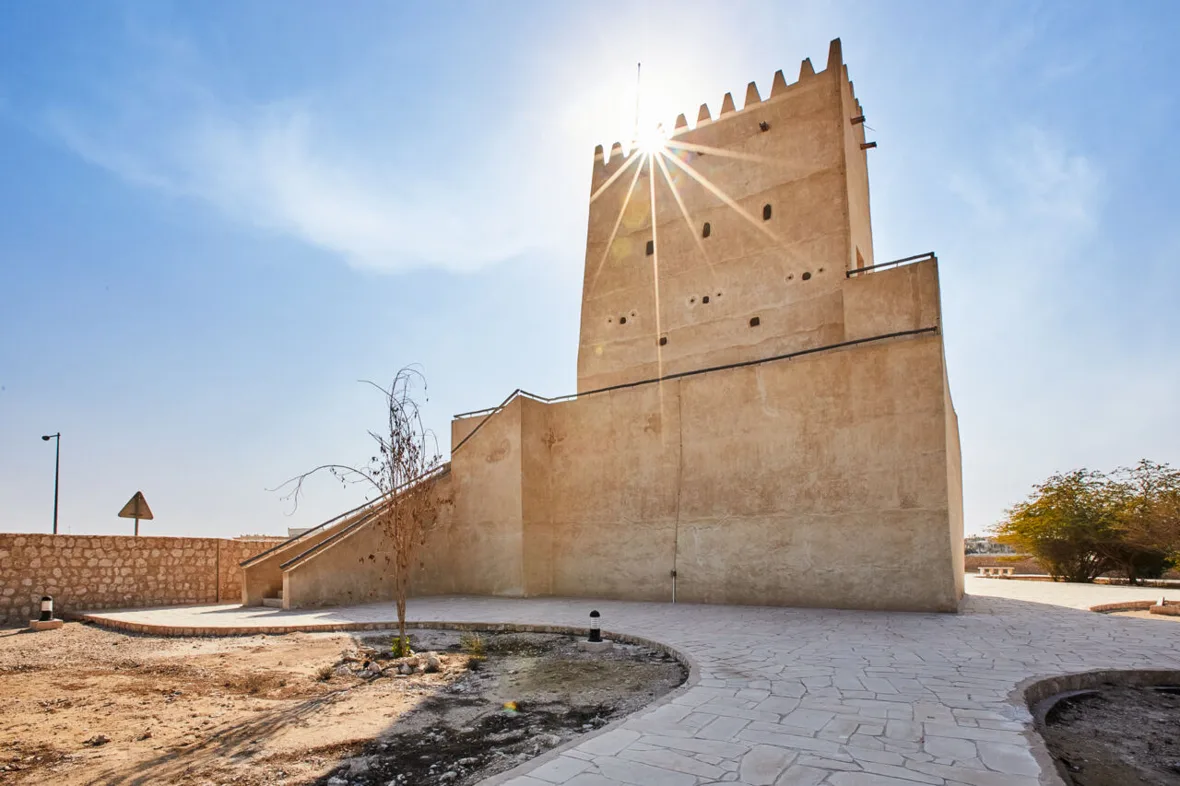
In Umm Salal Mohammed, stand at the foot of the Barzan Towers and follow the outline of their stepped walls. The watchtowers offer a glimpse of the settlements inland from Doha. Check visiting arrangements before making the drive.
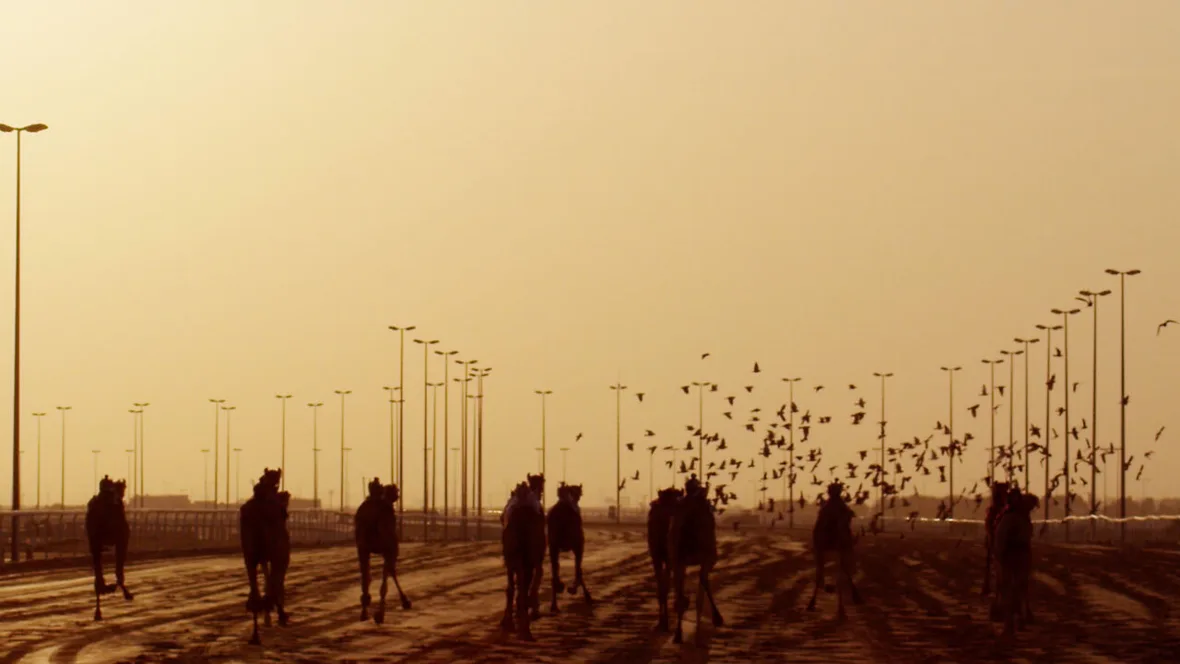
Plan around the racing or training schedule at Al Shahaniya. Look closely at the small robotic jockeys and watch the accompanying vehicles follow the camels. For a quieter second stop, explore the vehicles and historical objects at the Sheikh Faisal museum in Al Samriya.
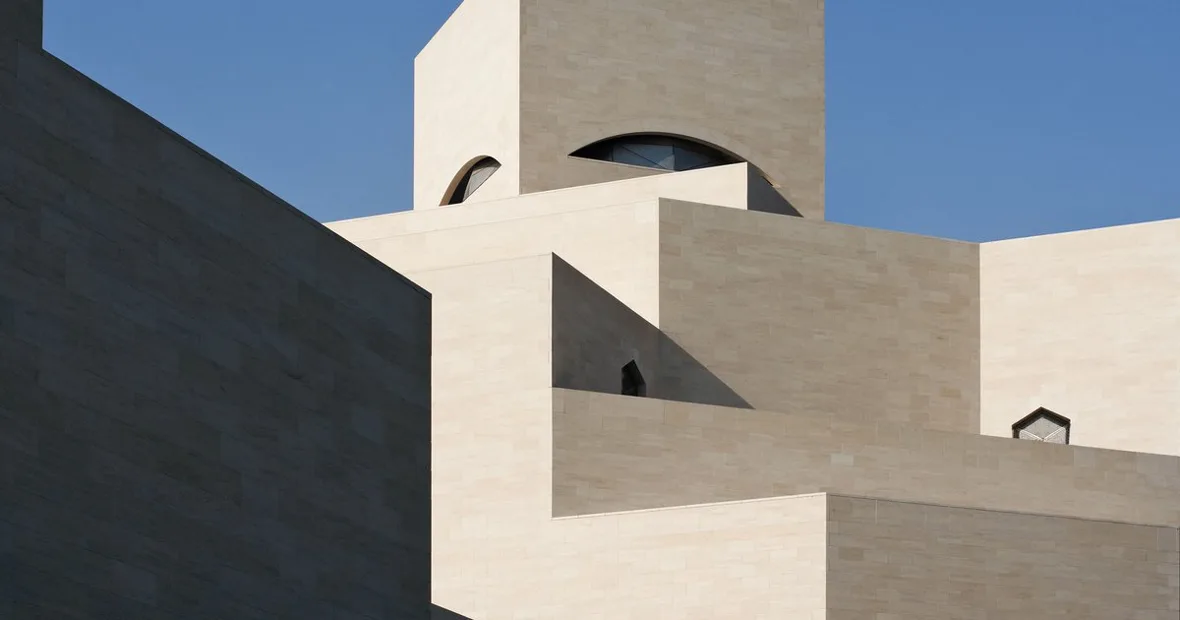
Start with the Museum of Islamic Art. Give yourself time for the carved and painted objects inside, then step back out and study the museum’s own geometry against the skyline. At Msheireb Museums, four restored houses bring the city’s social history down to street level.
Finish in the souq with machboos, spiced rice served with fish or meat. Order tea and share luqaimat, small fried dough balls, if you still have room.
Make the museum your timed visit, walk a short stretch of the Corniche and settle into Souq Waqif for dinner. Keeping the day around the bay leaves time to browse.
A long weekend
Follow a Doha day with Education City and an evening at Lusail Marina. Spend the third day on the northern coast, choosing the mangroves or Al Zubarah as your main outing.
Add a desert day
Keep the southern route for its own day. Start at Al Wakrah’s seaside souq and arrange an Inland Sea excursion with a local operator who can agree the pickup point and return time.
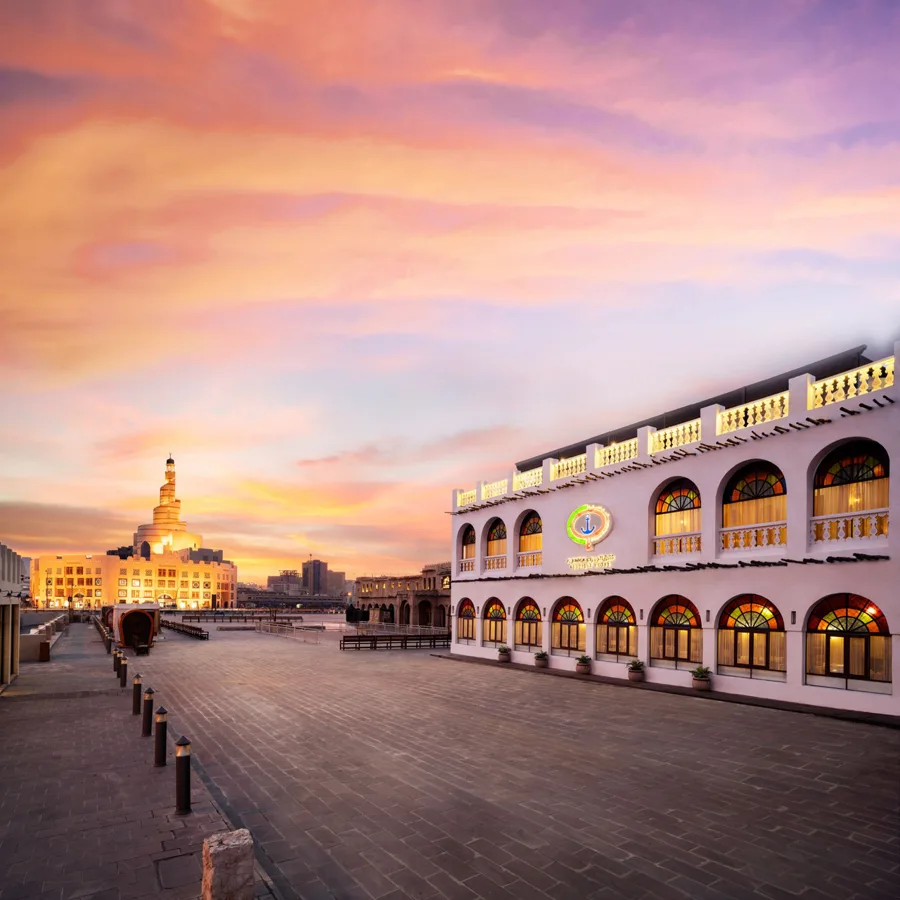
For evenings in the market lanes of Doha. The rooms are distributed among several buildings. Confirm the building and luggage meeting point, particularly for group arrivals.
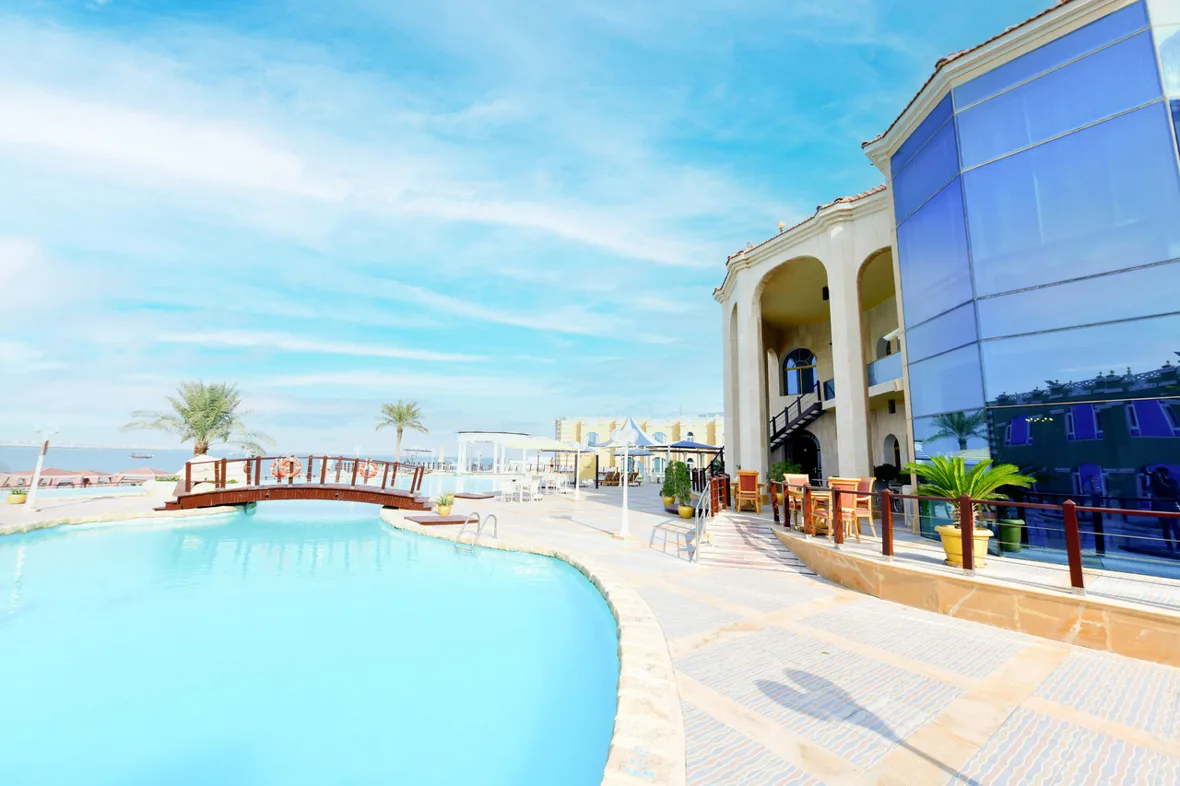
Stay in Al Wakrah for the seaside market and a quieter evening on the southern route. Its traditional buildings give this stay a different feel from Doha’s tower hotels.
An Al Khor base for the northeastern coast. Staying here makes it easier to plan around a morning kayaking departure at Al Thakhira rather than driving out from Doha.
Use the Doha Metro for city days and check the last leg from the station to each entrance. Reserve a vehicle for the northern forts or west-coast stops. Desert and mangrove excursions need their own arrangements, so book those departures before filling in the rest of the day.
 Enlarge ↗