Journey Through Time: The History of New Jersey
New Jersey, the "Garden State," is steeped in a history as diverse and dynamic
as its landscapes, from the highlands and pinelands to its bustling cities and
shoreline resorts. Its narrative unfolds from the era of indigenous
civilizations through the drama of colonial strife and into the complexities of
modern American life.
The earliest chapters of New Jersey's story are traced to the indigenous peoples
who inhabited the region thousands of years before European contact. The Lenape,
also known as the Delaware Indians, were the primary tribe, with a society
deeply rooted in the land and the rhythms of nature.
European exploration of New Jersey began in the early 17th century with Henry
Hudson, an English navigator sailing under the Dutch flag. Subsequently, the
Dutch and the Swedes established the first permanent European settlements.
However, it was the English who eventually gained control of the territory in
1664, and the area was divided into East Jersey and West Jersey, reflecting the
strong Quaker influence in the latter.
New Jersey's strategic location between New York and Philadelphia made it a
contested region during the American Revolution. Its territory hosted over 100
battles, earning it the title "Crossroads of the Revolution." In the winter of
1776-77, General George Washington's troops scored pivotal victories at Trenton
and Princeton, turning the tide of the Revolutionary War.
Following statehood in 1787, New Jersey grew rapidly throughout the 19th
century. The Industrial Revolution transformed cities like Paterson, Newark, and
Trenton into manufacturing powerhouses. The development of railways and the
maritime industry spurred further growth, linking New Jersey more closely with
other states and creating a diverse, industrial economy.
The 20th century was a time of change and adaptation. While manufacturing
declined, the service sector, pharmaceuticals, and telecommunications rose to
prominence. In addition, the advent of suburbanization post-World War II
reshaped the state's demographics and economy.
In the modern era, New Jersey is recognized for its diversity, both in its
population and its economy. It is home to numerous industries, from agriculture
and fisheries to high-tech sectors and financial services. Its rich cultural
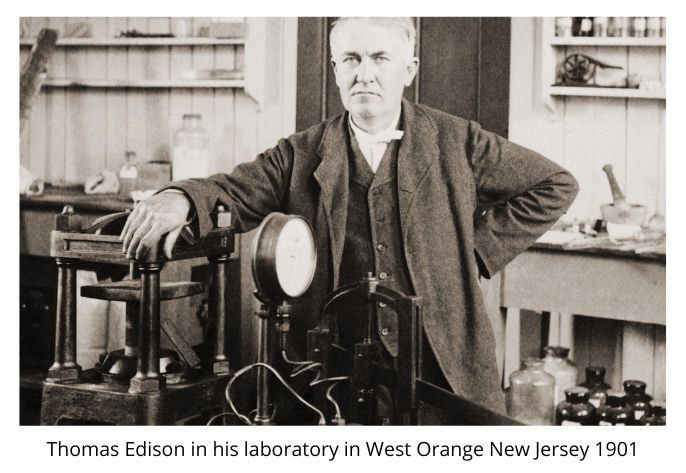
legacy, embodied by figures like Albert Einstein, Thomas Edison, and Bruce
Springsteen, is matched only by its natural beauty, found in its parks, beaches,
and the picturesque Appalachian Trail.
New Jersey's past is a testament to the resilience and adaptability of its
people. From the Native American tribes who first called this land home, to the
immigrants who flocked to its factories, to the innovators who have shaped our
modern world, the history of New Jersey is an ongoing story of change and
perseverance, where the echoes of the past continue to resonate in the present.
Image: Silhouette of the state map.
Text: "New Jersey - Garden State".