Journey Through Time: The History of Oregon
Oregon, known as the "Beaver State," is a land of breathtaking natural beauty,
rich indigenous heritage, and a history shaped by exploration, settlement, and
the pursuit of opportunity. From the first inhabitants to the pioneers of the
Oregon Trail and the modern era of innovation and environmental consciousness,
Oregon's history is a captivating tale of resilience, diversity, and the
pioneering spirit.
The earliest chapters of Oregon's history were written by the indigenous peoples
who have called this land home for thousands of years. The tribes of the
Chinook, Kalapuya, Klamath, Nez Perce, and many others thrived in harmony with
the diverse ecosystems of the Pacific Northwest, establishing vibrant cultures
and sustainable ways of life.
European exploration of Oregon began in the late 18th century, with Spanish and
British explorers setting foot on its shores. In the early 19th century, the
Lewis and Clark expedition, commissioned by President Thomas Jefferson, ventured
westward, making its way to the Pacific Ocean and documenting the region's
natural resources and potential for settlement.
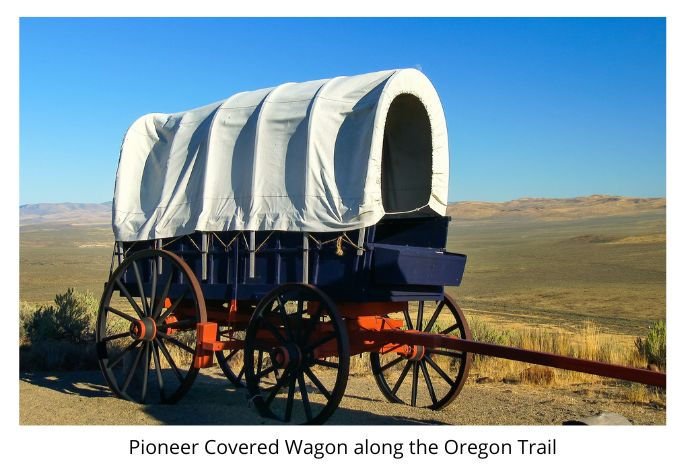
The mid-19th century saw a surge of westward migration as thousands of pioneers
embarked on the treacherous Oregon Trail, seeking new opportunities and a better
life. These intrepid travelers faced countless challenges, from harsh weather to
rugged terrain, as they made their way to the fertile valleys and bountiful
forests of Oregon.
In 1848, the Oregon Territory was established, encompassing present-day Oregon,
Washington, Idaho, and parts of Montana and Wyoming. The region attracted
settlers from various backgrounds, including missionaries, farmers, and miners,
who laid the foundation for the state's future growth.
The discovery of gold in the 1850s brought an influx of miners and prospectors,
leading to the development of towns like Jacksonville and Baker City. The
statehood of Oregon was finally achieved in 1859, becoming the 33rd state in the
Union.
The late 19th and early 20th centuries witnessed the growth of industries such
as timber, agriculture, and fishing, which played significant roles in the
state's economy. Oregon's natural resources fueled its development, with logging
and sawmills contributing to its economic prosperity.
In the latter half of the 20th century, Oregon underwent a transformation. The
state became a center for environmental awareness, embracing sustainability and
conservation efforts. Portland, the largest city in Oregon, emerged as a hub of
innovation and a beacon of progressive values, known for its vibrant arts scene,
eco-friendly practices, and a commitment to livability.
Today, Oregon stands as a testament to its historical legacy and
forward-thinking mindset. It is renowned for its stunning landscapes, including
Crater Lake, the Columbia River Gorge, and the Oregon Coast. The state's
agricultural bounty, craft breweries, and wine industry contribute to its
reputation as a culinary destination.
The history of Oregon, like the mighty Columbia River carving its path through
the landscape, is a story of exploration, resilience, and the enduring
connection between humans and nature. It is a reminder of the pioneers who
forged their way westward and the importance of preserving the state's natural
wonders for future generations. As Oregon moves forward, it embraces its
heritage while embracing new challenges and opportunities, guided by a spirit of
innovation and a commitment to sustainability.
Text: "Oregon".
Portland: January high 44F, July high 79F.
Rainfall in Oregon is high along the coast and in the coastal mountains, a little less in the Willamette valley (which runs south from Portland), very heavy in the Cascades, and low in the desert eastern half of the state.
Home | States/Provinces | Subjects