AMERICAN SAMOA · MANUʻA ISLANDS · FIRST-TIME HIGHLIGHT
Taʻu
Coastal forest, island communities and a deeper cultural landscape.
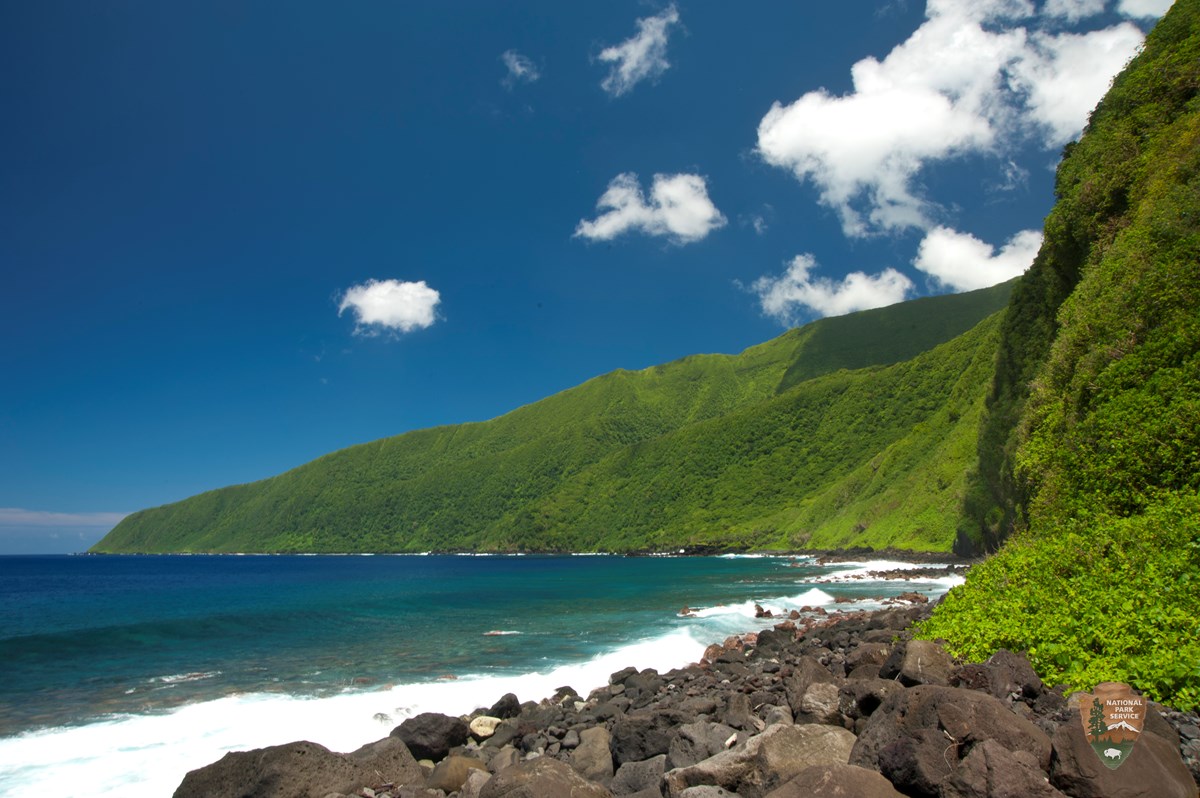
Taʻu is a substantial island journey with villages, forest and a powerful coastal setting. Its cultural significance cannot be reduced to a dramatic cliff photograph. A thoughtful stay respects community arrangements and gives the national-park landscape time. Transport, food and accommodation should be confirmed before an ambitious walking plan is considered.
The coastal route follows an older road through forest toward the southeastern part of the island. Its exhibits connect landscape and cultural history.
Plan your visitCheck the full distance, current condition and return plan.
The site has particular cultural significance within Samoan traditions. Interpret it respectfully rather than presenting tradition as a simple archaeological fact.
Plan your visitUse local guidance and observe all access expectations.
The island’s forested slopes and sea cliffs create a landscape best appreciated from suitable authorised places. Not every dramatic edge is a walking destination.
Plan your visitAsk current park advice and keep away from exposed coastal hazards.
Suggested time: 3 nights or more, subject to transport
A plan for this place
Give the coastal route a dedicated suitable day, with a shorter alternative for weather or energy. Leave room for community life and rest. A boat or flight day should remain a transport day rather than the beginning of an immediately demanding walk.
Choose your fixed-time visits
Check the official programme for Siʻu Point Trail before fixing the rest of the day. Museum collections, guided visits and outdoor areas may follow different admission arrangements. Confirm the actual entrance, language and meeting time for anything booked.
Plan for your group
Ask the sites you choose about steps, toilets, seating and an accessible route. For a group, arrange the meeting point, vehicle drop-off and guide in advance; the best route for a quick individual visit is not always the best group route.
Make room for the place
Use the current opening days to choose the order. Give one substantial sight the morning, keep room for a sit-down lunch, and make the afternoon a choice rather than another deadline.
An unhurried introduction
A day to make your own.
Begin with Siʻu Point Trail, using the current visitor arrangements.
Leave time for lunch and a comfortable transfer rather than another immediate appointment.
Choose Saua cultural setting or Coastal forest and cliffs for a contrasting afternoon, according to weather and energy.
Adjust this editorial starting point to current access, weather and opening days.
Enjoy the place
Leave room between the sights.
The most rewarding introduction combines Siʻu Point Trail with time around Coastal forest and cliffs. Look at the streets and landscape between the stops, and leave room for an everyday café, market or neighbourhood walk instead of treating the place as a checklist.
Fit this visit into a wider island stay, with transport, local permissions and time for rest confirmed.
A taste of the place
Eat & drink.
Make time for a local meal.
Confirm all meals and drinking water with the lodge or host. Discuss local produce, ingredients and dietary requirements before arrival. An ʻumu or other hosted experience needs an agreed arrangement; it should not be assumed to happen for visitors on demand.
Choose a Taʻu base for a Taʻu programme. Confirm the lodge’s current operation and the complete arrival plan before committing to the onward journey.
Ask the property about total charges, room access, arrival with luggage, cancellation terms and any group requirements. Confirm the actual room and access route before booking.
Taʻu has its own inter-island transport and final village connections. Confirm the actual airport or wharf, luggage and pickup. Build a margin for changes, and do not assume an Ofu service and a Taʻu service are interchangeable.
The official local resource is the place to check current exhibitions, guided walks, seasonal openings and events. Ask about language, group admission and access for the particular visit you want, rather than assuming every programme runs daily.
Official resources are linked beside the information they support. Suggested stays and routes are editorial starting points, not confirmed schedules. Property links provide direct contact, not a personal inspection or rating. Check changing details with the provider. Sources reviewed October 27, 2026.