Antarctica · A closer look

Ross Sea

Historic expedition country, immense ice scenery and a very different approach to Antarctica.

The Ross Sea is a separate Antarctic journey, with a different scale of travel from the more familiar Peninsula voyage. Islands, the great ice shelf and the history of early expeditions give it a strong identity. Choose it with time for the sea journey and an interest in the region as a whole, rather than as an extra to attach to a short southern holiday.

The historic huts are places where small surviving objects can carry the weight of much larger stories. The surrounding polar landscape is equally important, and it remains a working scientific environment. A photograph of a ship near a hut does not establish permission to land or enter. Allow the expedition and heritage teams to determine access, and let time at sea become part of the experience rather than merely a delay between landmarks.

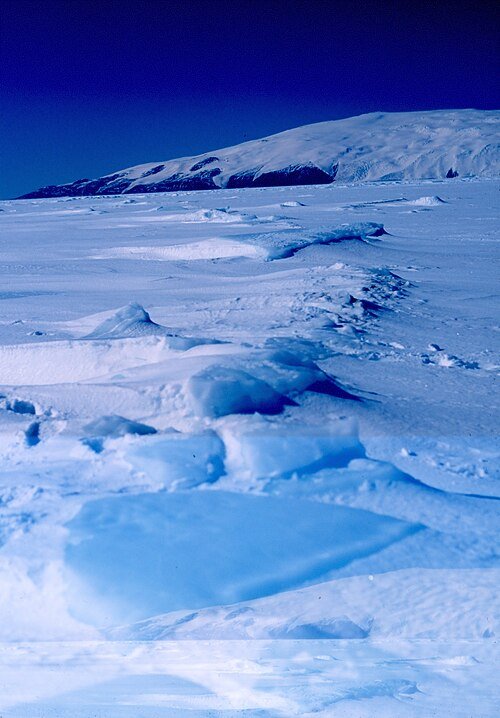
Ross Sea
Michael Van Woert, NOAA NESDIS, ORA · Public domain · Display cropped/resized.

LOOK A LITTLE CLOSER

Places and experiences.

Ross Sea · setting
Michael Van Woert, NOAA NESDIS, ORA · Public domain · Display cropped/resized.
01

A separate Antarctic journey

Ross Sea voyages commonly use a different gateway and a longer sea journey than Peninsula itineraries. This is a region to choose deliberately, with time for the expedition rather than as an addition to a short cruise.

Compare the gateway, duration and time at sea with your expectations. This is a regional choice with its own logistics.

Scott’s hut at Cape Evans, with a ship offshore · 2024
Scott’s hut at Cape Evans, with a ship offshore · 2024 · Anne of Eastbourne · Wikimedia Commons · CC0. Display cropped to fit.
02

History in a working polar landscape

The region includes historic expedition huts, Ross Island and the Ross Ice Shelf. Access to heritage sites or scientific facilities depends on arrangements and conditions; a nearby ship does not confer permission to go ashore.

The hut’s setting adds meaning to the interior story. Any visit must follow current heritage rules and the expedition’s authorised arrangements.

Ross Ice Shelf from the Nathaniel B. Palmer · archive, 1997
Ross Ice Shelf from the Nathaniel B. Palmer · archive, 1997 · Michael Van Woert, NOAA NESDIS, ORA · Wikimedia Commons · Public domain. Display cropped to fit.
03

Read the voyage plan closely

Check the proposed route, time at sea and the operator’s alternatives for pack ice. A heritage-focused expedition can be deeply rewarding even when the original order of visits has to change.

The ice-shelf photograph is an archive view, not a prediction of the route ahead. A flexible order of visits is part of the voyage.

Give the day room to unfold

Compare the full itinerary and gateway arrangements with a Ross Sea specialist. Keep onward travel flexible enough for expedition realities.

Visitor information & sources

Sources reviewed 28 October 2026. Opening, access, availability and services can change.

Your base for the journey

Where to stay

For this coastal region, the usual visitor base is an expedition ship. These are operator contacts for cabins and itinerary planning, rather than hotels ashore. Confirm current availability, access, inclusions and requirements directly. Inclusion does not establish ATA membership.

EXPEDITION & ACCOMMODATION CONTACT

Heritage Expeditions — Ross Sea voyages

A specialist contact for Ross Sea expeditions. Confirm the actual departure, route and planned visits rather than assuming every voyage reaches every historic site.

Operator enquiry contact; Ross Sea embarkation and cabin arrangements as confirmed for your departure.

EXPEDITION & ACCOMMODATION CONTACT

Oceanwide Expeditions — ship-based stays

Ask about current departures, the region visited and the vessel’s cabins. Each route has its own duration and access limits.

Operator enquiry contact: Visserijkade 5, 4382 ZA Vlissingen, Netherlands.

← Return to the Antarctica guideAntarctica planning →