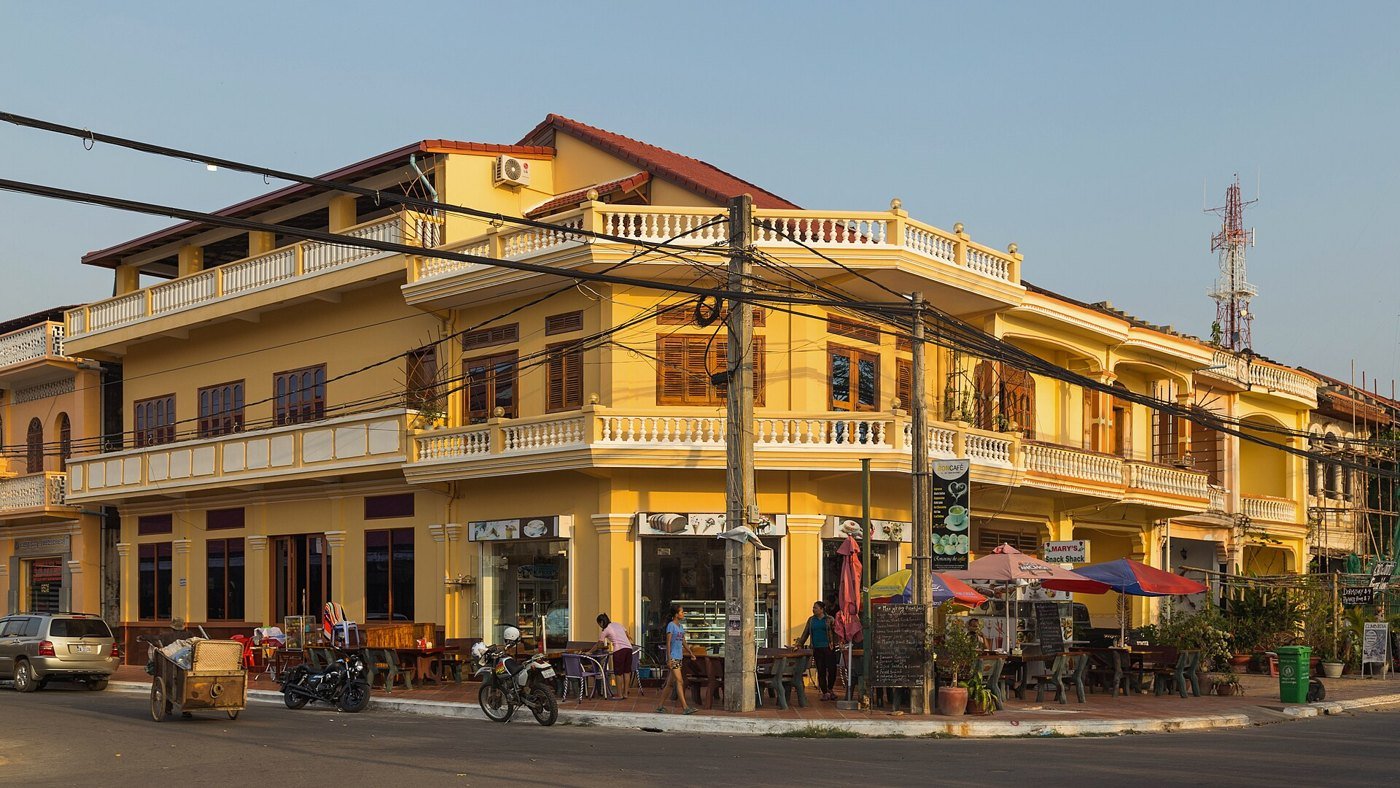
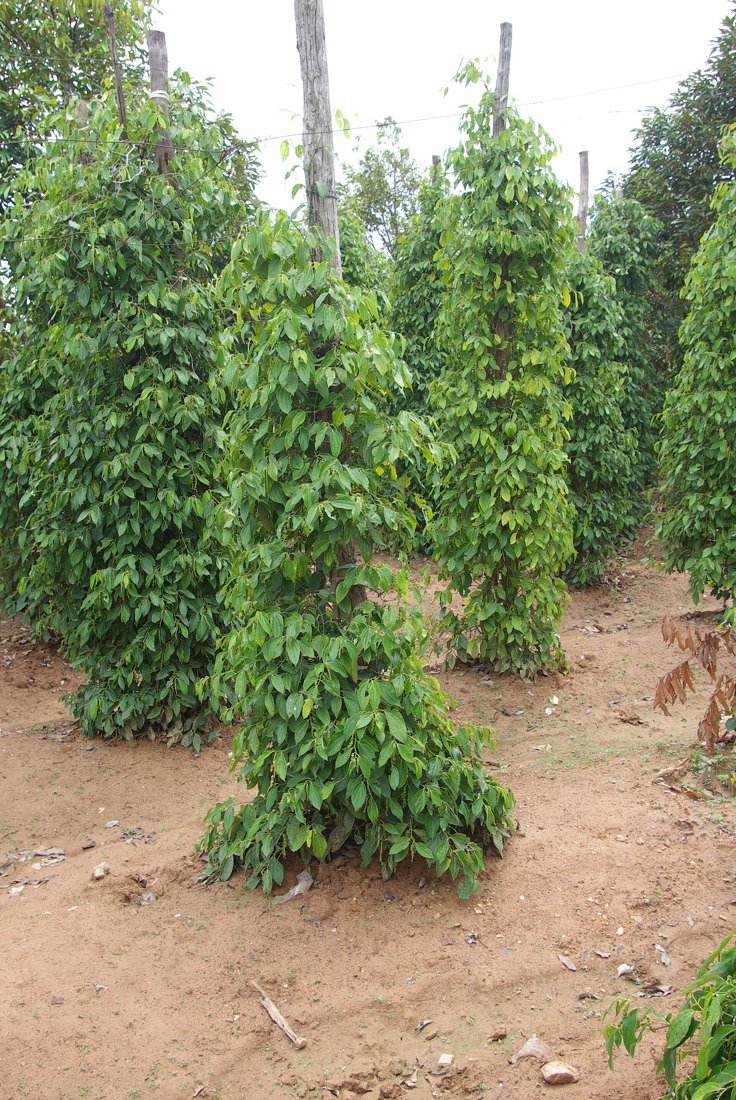
Kampot’s riverfront buildings and nearby farms make a useful change from major temple and city itineraries. The best visit leaves space for a producer’s explanation, a meal and time by the water. Use the town as a base for selected excursions rather than assuming all of the southern coast fits into a single day.
Explore · culture & landscapePlan · at your own paceCheck · current access
Walk the older streets in the cooler part of the day, looking at buildings as part of a living town. The riverside offers places to pause, but traffic and uneven surfaces still matter when planning a group walk. An architectural stroll can work well before lunch without requiring a packed sightseeing program.
A farm visit can explain how pepper is cultivated, harvested and processed, and why its origin matters. Choose a producer that describes its own methods and welcomes visitors rather than assuming every farm is open. Ask whether the tour includes a tasting, transport and a shaded rest. Buy from a clearly identified producer and check packaging and customs rules for taking food home.
A riverside stay can give the itinerary a needed pause between larger sights. Choose a shaded place for a meal or a quiet afternoon, and check the current conditions before any boat activity. If considering a boat trip, inspect boarding, lifejackets and the return arrangements before committing. A regional day trip toward Kep is a separate outing, not a quick extra after a full farm program.
Give the place enough time
Plan a better visit.
Pace & priorities
Use one day for town and a pepper producer, with an unhurried meal between them. Keep another day flexible for a coastal outing or a quiet stay by the river. Check weather and road conditions before a hill-country excursion; a view is not guaranteed when cloud moves in.
Before you book
Confirm the guide’s language, the exact route, included fees and cancellation terms. For a group, ask about toilets, shaded breaks, steps and a shorter alternative. Reserve the main visit before arranging additional stops, and keep transport margins realistic.
Pepper is the obvious theme, but ask how it is used in a dish rather than expecting every meal to be a tasting. Seafood may feature in regional menus; confirm freshness, preparation and allergies. A farm lunch can be a satisfying main activity if booked directly and given enough time.
Give the meal its own time in the day. Ask what is seasonal and where ingredients come from. For allergies or dietary requirements, confirm ingredients directly with the kitchen rather than relying only on a translated menu.
Choose a base that fits the visit
Where to stay.
Location before labels
Town accommodation offers easier access to restaurants; riverside properties farther out offer more space but can require transport after dark. Confirm the exact location, safe river access, room screens and transfer costs. A river view does not imply that swimming is appropriate.
Ask the practical questions
Confirm the exact address, current operation, room access, bathroom layout, meal arrangements and total price directly. For a group, ask for a written room allocation and transport plan. These base comparisons are planning guidance; no individual property is being presented as inspected or endorsed.
Road transfers should include daylight arrival and a clear pickup agreement. Confirm any rail option against current services rather than relying on an old timetable. Farm roads may need a smaller vehicle than the coach used for the main journey.
Go to the source
Useful information.
Use current official advice for conditions, the operator for its services and the venue for its opening arrangements. A photograph or older itinerary cannot establish today’s access.
Reviewed 11 November 2026. Suggested pacing and accommodation comparisons are ATA editorial ideas, not bookable offers or inspected-property endorsements. Confirm current access directly. Photographs are credited beside each image and may show earlier conditions.