
Cambodia
People and culture
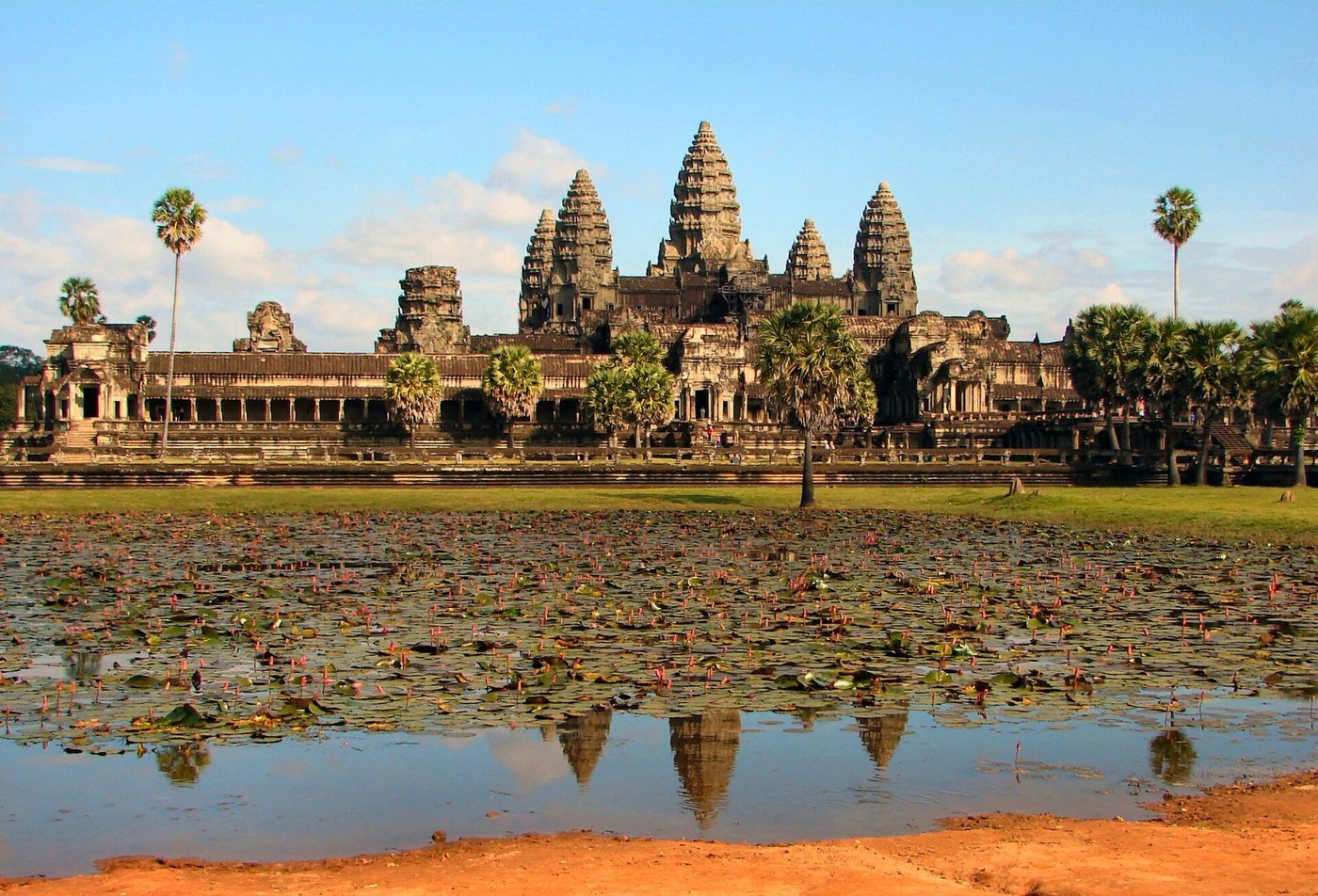
A living Khmer culture
Angkor is a beginning, not a complete account of Cambodia. Theravada Buddhist monasteries, family celebrations, contemporary arts and the work of farmers and fishers all belong to the country’s present. Khmer is the principal language; learn a greeting and ask your guide how to address people respectfully. Cham, Chinese, Vietnamese and Indigenous communities contribute distinct histories and traditions.
Temples and remembrance
Cover shoulders and knees at religious sites, remove shoes where requested and leave space for worship. Ask before photographing monks or ceremonies. At Tuol Sleng and other places of remembrance, put testimony and reflection before photography. A visit to a memorial should never be presented as entertainment or compulsory for every member of a group.
At the table
Rice, freshwater fish, herbs and fermented ingredients shape many Khmer meals. Fish amok, kuy teav noodle soup and dishes using prahok offer different starting points. Recipes vary by cook and place; fish sauce, shrimp paste and peanuts may appear in dishes that look vegetarian or nut-free. Ask directly about ingredients.
Travel that benefits hosts
Choose local guides, independently run restaurants and craft businesses where the maker can explain the work. Ask consent for photographs, particularly of children and private homes. Avoid orphanage visits and activities built around handing gifts to children. Around lakes and rivers, choose operators who respect wildlife and community rules.
Sources, credits & editorial notes
- Travel advice
- Visitor background
- Angkor World Heritage
- Sambor Prei Kuk World Heritage
- Angkor tickets — official operator
- APSARA National Authority
- Mekong River Commission
Reviewed 11 November 2026. Suggested pacing and accommodation comparisons are ATA editorial ideas, not bookable offers or inspected-property endorsements. Confirm current access directly. Photographs are credited beside each image and may show earlier conditions.