Mekong light, island lanes and careful wildlife watching
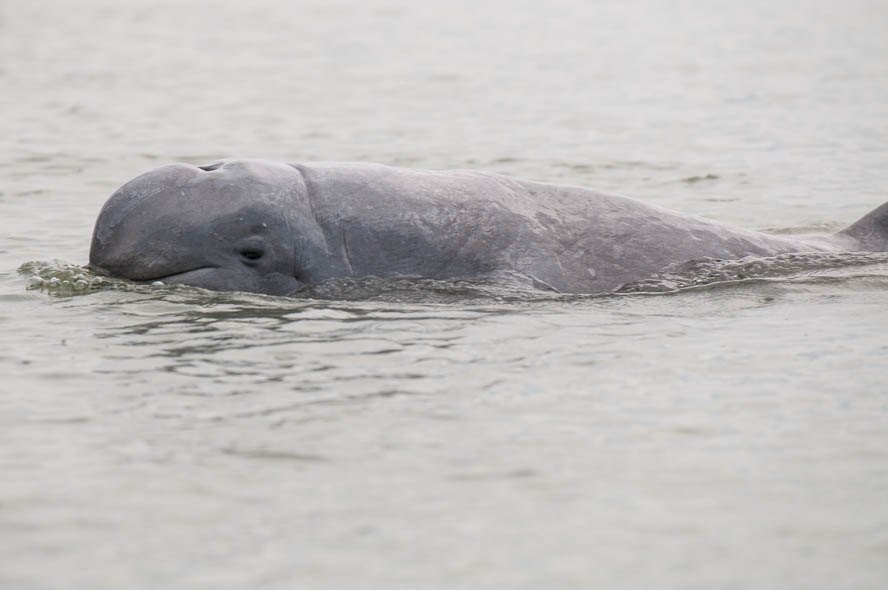
Kratie is a base for understanding the Mekong at a slower pace. The river shapes the town, nearby islands and the habitat of the endangered Irrawaddy dolphin. Wildlife viewing deserves careful operator selection and realistic expectations: seeing an animal is never guaranteed.
Explore · culture & landscapePlan · at your own paceCheck · current access
Explore the town and riverfront with time for markets and religious buildings rather than treating Kratie only as a launch point for a dolphin excursion. Ask permission at temples and avoid entering private areas. The most rewarding moments may be ordinary ones: changing river light, a food stall and the daily movement between town and water.
The island opposite town offers a different rhythm of small lanes and cultivated land. Check the current boat landing and how you will move around before crossing. Cycling or walking should fit the heat, surface and ability of the group. Farms and homes are private places; stop where visitors are welcomed and ask before photographing residents.
Arrange any dolphin-watching visit with an operator who follows current conservation rules and keeps a respectful distance. Avoid chasing animals or encouraging boats to crowd them. The experience is about habitat and conservation as much as a sighting. Confirm lifejackets, boarding assistance and how long the outing will last before leaving the bank.
Give the place enough time
Plan a better visit.
Pace & priorities
Allow an overnight stay rather than trying to squeeze Kratie into a long transfer. Put the river outing in a suitable part of the day according to local conditions, and keep an island visit separate if the group needs a gentler pace. Changes in water level can alter access and the character of the trip.
Before you book
Confirm the guide’s language, the exact route, included fees and cancellation terms. For a group, ask about toilets, shaded breaks, steps and a shorter alternative. Reserve the main visit before arranging additional stops, and keep transport margins realistic.
Look for river-town cooking, noodle soups and simple meals prepared to order. Ask which fish are being served and avoid any dish involving protected wildlife. A small restaurant may welcome a group more comfortably with advance notice and a limited agreed menu.
Give the meal its own time in the day. Ask what is seasonal and where ingredients come from. For allergies or dietary requirements, confirm ingredients directly with the kitchen rather than relying only on a translated menu.
Choose a base that fits the visit
Where to stay.
Location before labels
A town base makes meals and riverfront walks straightforward. An island stay offers a quieter experience but requires boat access, luggage planning and a check on services. Confirm fans or air-conditioning, steps, water and how an urgent return to the mainland would work.
Ask the practical questions
Confirm the exact address, current operation, room access, bathroom layout, meal arrangements and total price directly. For a group, ask for a written room allocation and transport plan. These base comparisons are planning guidance; no individual property is being presented as inspected or endorsed.
Plan road connections as a substantial part of the itinerary, with stops and a daylight arrival. For island and river boats, confirm the landing rather than assuming a map pin is the boarding point. Take sun protection and keep essential medication with you.
Go to the source
Useful information.
Use current official advice for conditions, the operator for its services and the venue for its opening arrangements. A photograph or older itinerary cannot establish today’s access.
Reviewed 11 November 2026. Suggested pacing and accommodation comparisons are ATA editorial ideas, not bookable offers or inspected-property endorsements. Confirm current access directly. Photographs are credited beside each image and may show earlier conditions.