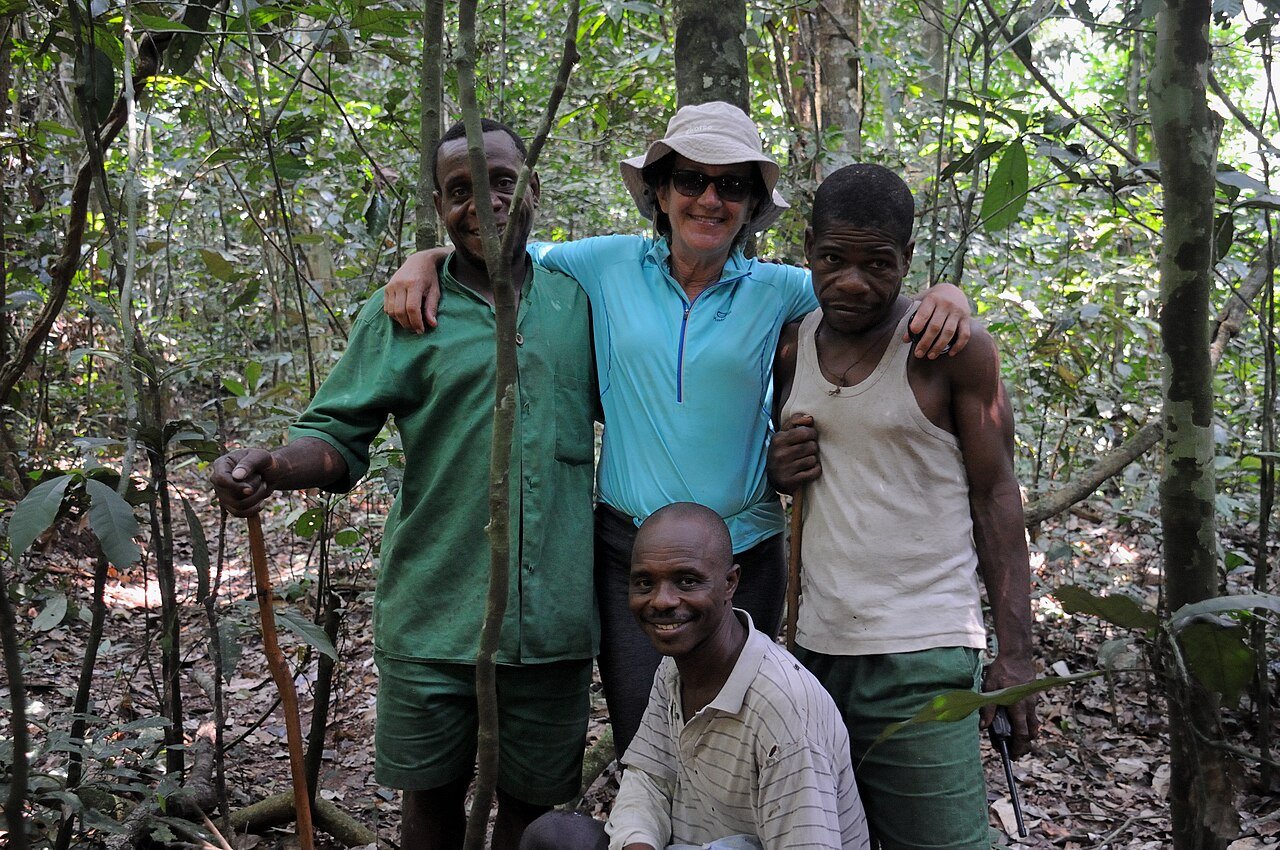
A deeper forest experience led by specialist trackers.
Bai Hokou is associated with the protected area’s primate-tracking work and the patient expertise of forest teams. This is a specialist experience rather than a sightseeing stop. Its value lies in understanding a living habitat and following the people who know how to move through it responsibly.
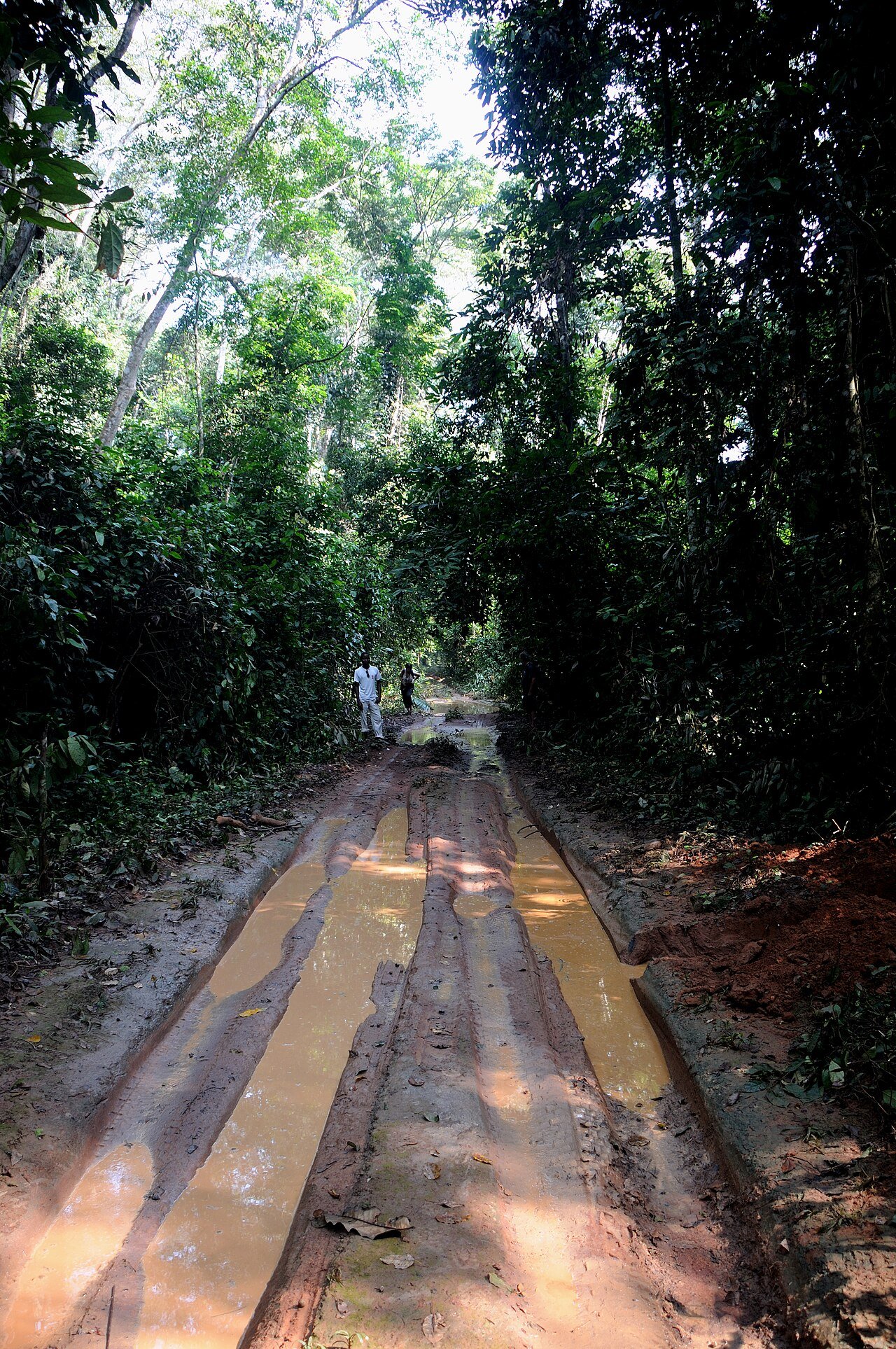
Notice the vegetation, light and changing ground as carefully as the animals. A walk may involve waiting, detours and difficult footing. The guide’s decisions should shape the route; visitors should not push ahead for a photograph or assume an established trail behaves like a maintained urban path.
Ask the visitor team how tracking is organized and which programs are available. It is not simply a matter of walking to a fixed viewing point. Trackers’ knowledge, conservation priorities and the welfare of animals determine what can happen on a particular day.
Give the place enough time
Plan a better visit.
Pace & priorities
Make the specialist activity the main purpose of the day. Discuss fitness and mobility candidly before reserving, and ask what happens if the required walk becomes longer than expected. Leave recovery time afterwards rather than adding another demanding excursion.
Before you book
Ask for the exact program, included fees and cancellation terms. Confirm walking distances, steps, rest breaks and a shorter alternative for your group. Make the main arrangements before adding optional stops, and leave realistic transport margins.
Discuss the current health screening, distance and group-size rules directly with the program. If illness or conditions prevent an encounter, accept the alternative offered. A meaningful forest visit is not measured only by the closeness of a photograph, and no itinerary should guarantee a particular sighting.
Local life, one meal at a time
Eat & drink.
Coordinate breakfast and any packed food with the lodge and tracking team. Do not feed wildlife or leave food accessible during the activity. A relaxed meal back at the base provides time to reflect on the experience without rushing another departure.
Give the meal its own time in the day. Ask what is seasonal and discuss ingredients directly with the kitchen for allergies or dietary requirements. A comfortable pause leaves more attention for the next part of the visit.
Choose a base that fits the visit
Where to stay.
Sangha Lodge
A southwest forest-and-river lodge to contact about specialist programs. Ask whether Bai Hokou is included in the proposed itinerary, how it is reached and which permissions and fees are included.
An editorial enquiry choice, not an inspected property or a claim of ATA membership.
Ask the practical questions
Confirm the exact location, current operation, room access, meals and total price directly. Ask what is included in transfers and activities, and request written terms for a group booking. Choose the base for the visit you want to make, not only for a photograph of the property.
Arrange the full activity through the lodge and protected-area team; do not plan an independent approach. Confirm both the access conditions and the current program before considering travel to the region.
Go to the source
Useful information.
Use the operator for its current services, the venue for access arrangements and official advice for travel conditions. Confirm details for your dates before paying.
Reviewed 11 November 2026. Pacing and base suggestions are ATA editorial choices. Accommodation links are direct enquiry points, not inspected-property endorsements or claims of ATA membership. Confirm current services, access and terms. Photographs are credited beside the images and may show earlier conditions.