Make time for the people and everyday places that give a journey its character. Listen closely, ask permission and let a meal or a conversation be part of the experience.
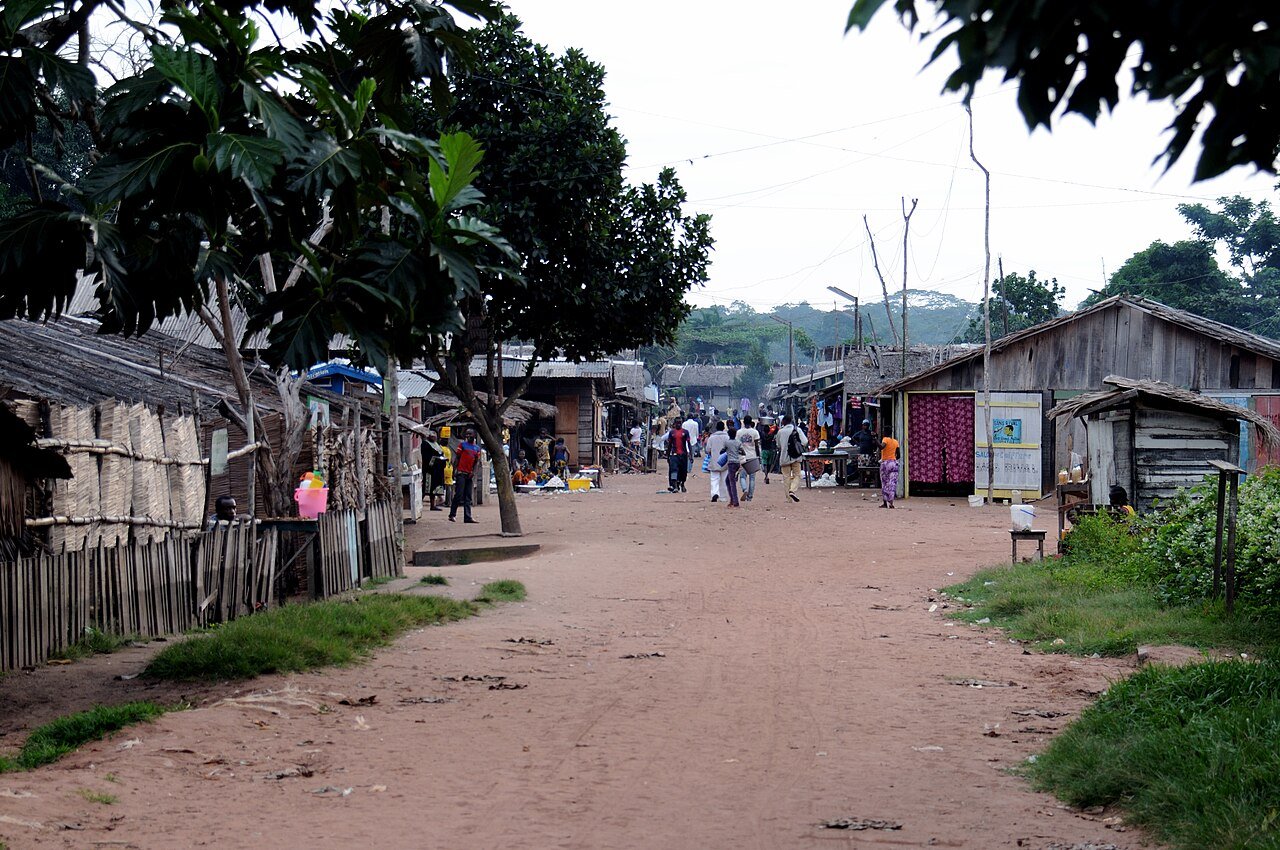
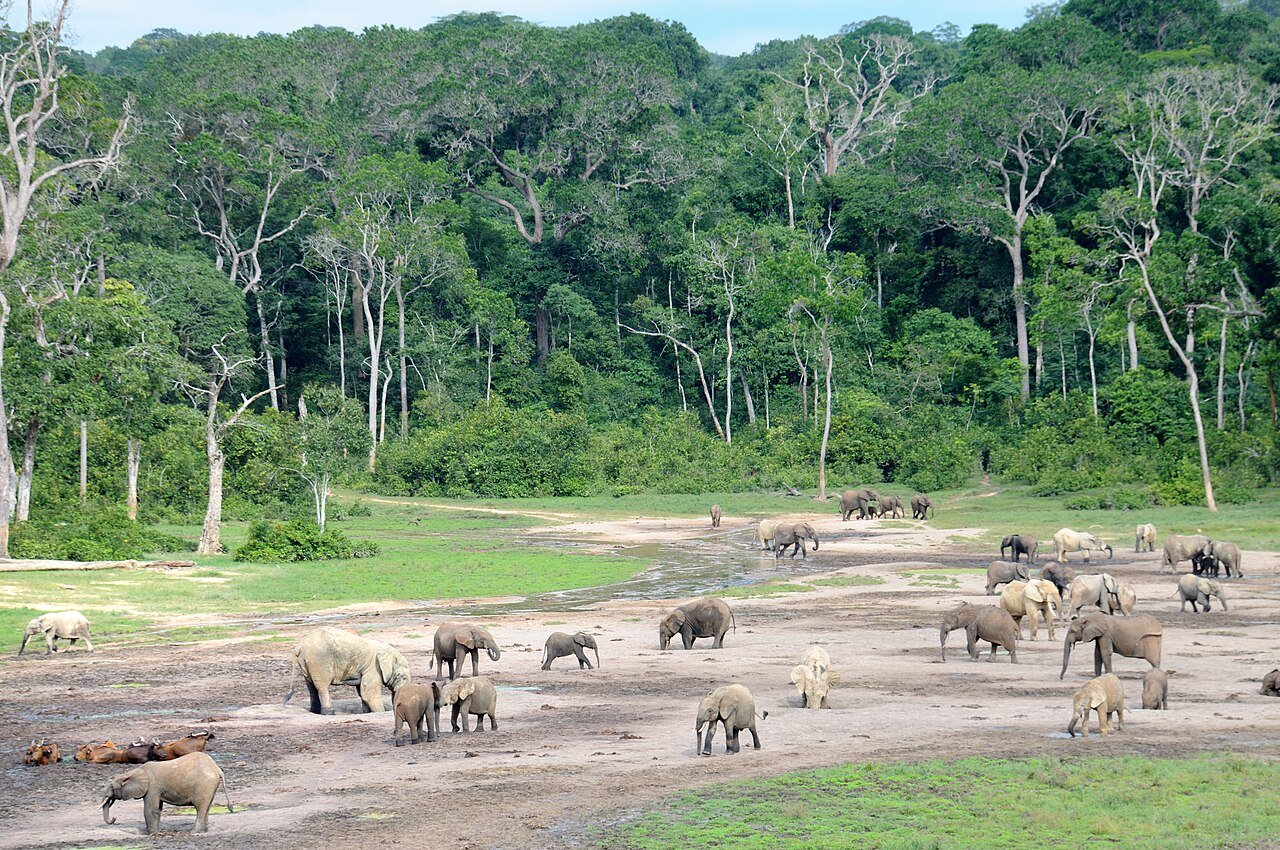
The forests draw attention, but a visit is also a meeting with people who live, work and make decisions there. Avoid presenting communities as part of a wildlife display. Ask who is hosting an experience, what they want visitors to understand and how the payment reaches the participants. A quieter conversation can be more valuable than a tightly staged program.
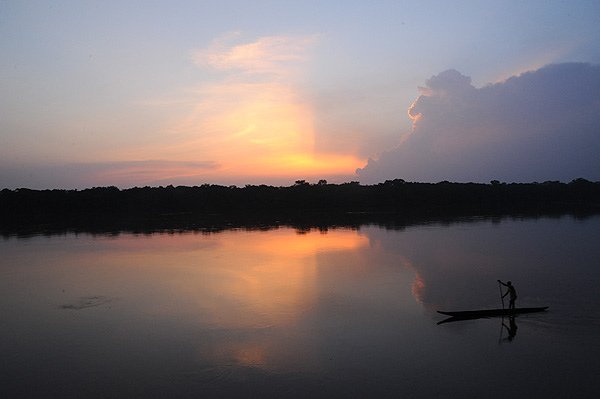
A tracker reading forest signs, a boat crew judging the river and a resident explaining a town bring different knowledge. Allow time for translation and questions. BaAka community experiences should be arranged with the people concerned, with clear consent for recording or photographs. Do not assume one person speaks for every household or that every activity is available to visitors.
Ask the kitchen about locally available vegetables, cassava, plantains, fish and sauces, rather than expecting the same menu every night. A meal can open a conversation about the river, farming and seasonal supply. Discuss allergies directly and choose legal, responsibly sourced food; wildlife viewing is no reason to seek out protected species on a menu.
Agree prices before a purchase or demonstration and ask permission before photographing a maker. Do not buy wildlife products or objects whose ownership and export status are uncertain. The most useful souvenir may be a contemporary craft with the maker’s name and a story you have permission to retell. Keep a record of where photographs were taken so that later captions do not turn one place into another.
Reviewed 11 November 2026. Pacing and base suggestions are ATA editorial choices. Accommodation links are direct enquiry points, not inspected-property endorsements or claims of ATA membership. Confirm current services, access and terms. Photographs are credited beside the images and may show earlier conditions.