Make time for the people and everyday places that give a journey its character. Listen closely, ask permission and let a meal or a conversation be part of the experience.
Chad’s desert, Sahelian and southern settings should not be compressed into a single cultural label. Ask guides to identify places and communities precisely, and distinguish historical interpretation from life today. A landscape that looks empty in a photograph may be a grazing area, a route or a place with strong local meaning.
Arrange market visits at a manageable scale and keep the group clear of trading space. Ask before photographing a stall or person, and accept a refusal without bargaining over it. Buying a small item or paying an agreed demonstration fee is more respectful than treating someone’s working time as free entertainment.
Let the host or kitchen explain what is being served and what can be sourced reliably. A city restaurant and an expedition kitchen have different possibilities. Share dietary needs before departure and confirm ingredients rather than assuming a translated dish name tells the whole story. Carrying a realistic meal plan is particularly important on remote journeys.
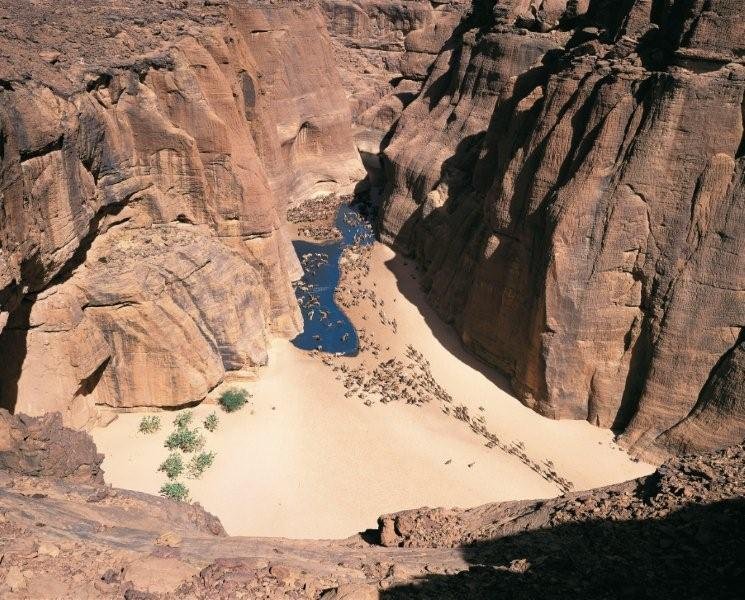
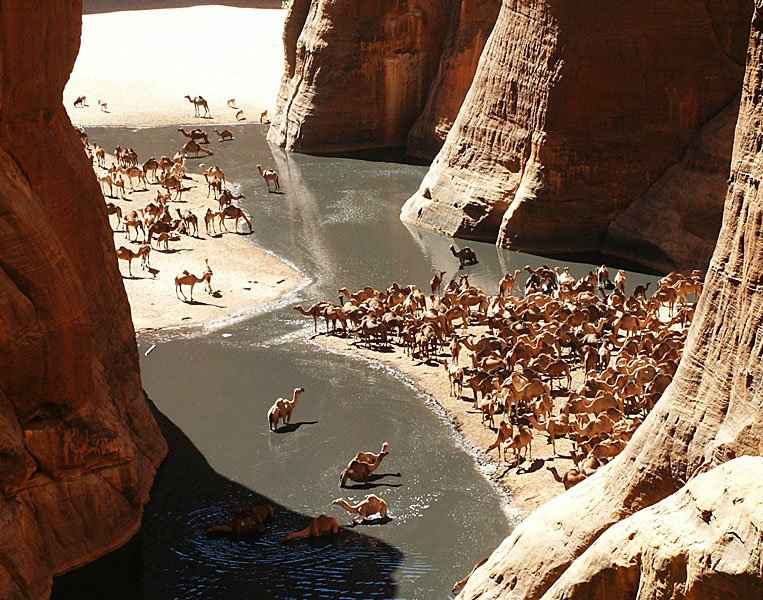
Ennedi’s rock art is part of a cultural landscape, not a collection of props for photographs. View from the position indicated by a guide, without touching, wetting or tracing the surface. The same care applies to contemporary homes, places of worship and water points. Good interpretation makes the relationship between a place and its people clearer without making them an exhibit.
Reviewed 11 November 2026. Pacing and base suggestions are ATA editorial choices. Accommodation links are direct enquiry points, not inspected-property endorsements or claims of ATA membership. Confirm current services, access and terms. Photographs are credited beside the images and may show earlier conditions.