Make time for the people and everyday places that give a journey its character. Listen closely, ask permission and let a meal or a conversation be part of the experience.
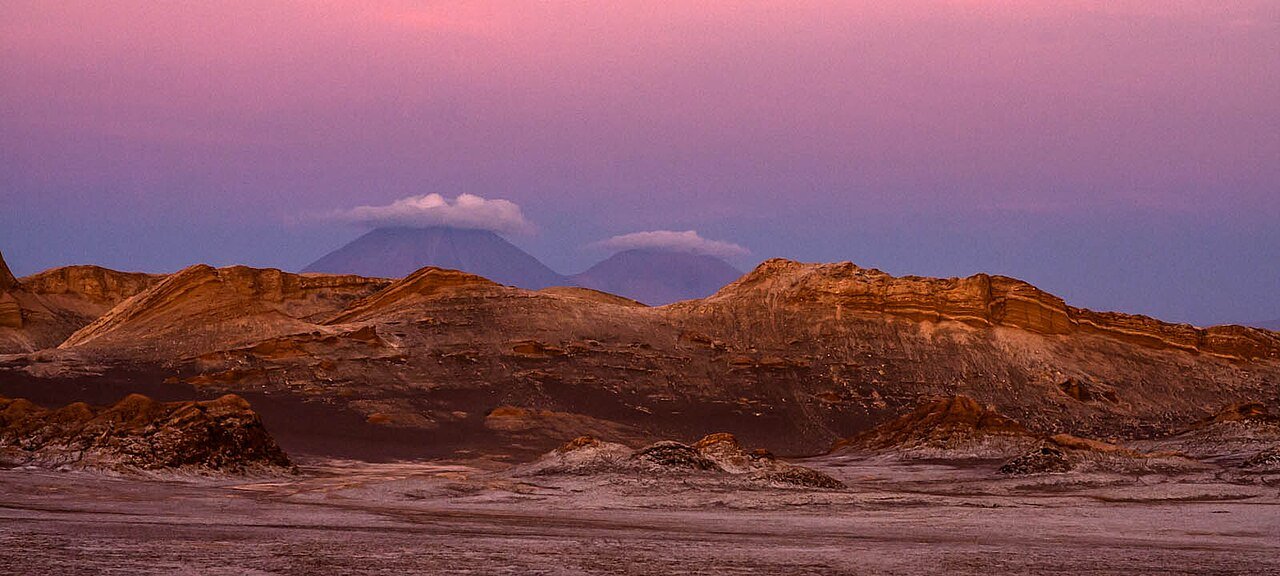
Chile’s regions have distinct histories and ways of living. Treat the Atacama, central cities, southern islands and Rapa Nui as places to learn about individually. A good guide makes differences clearer rather than presenting a single national costume or tradition as the whole story. Ask people how they wish their community and work to be described.
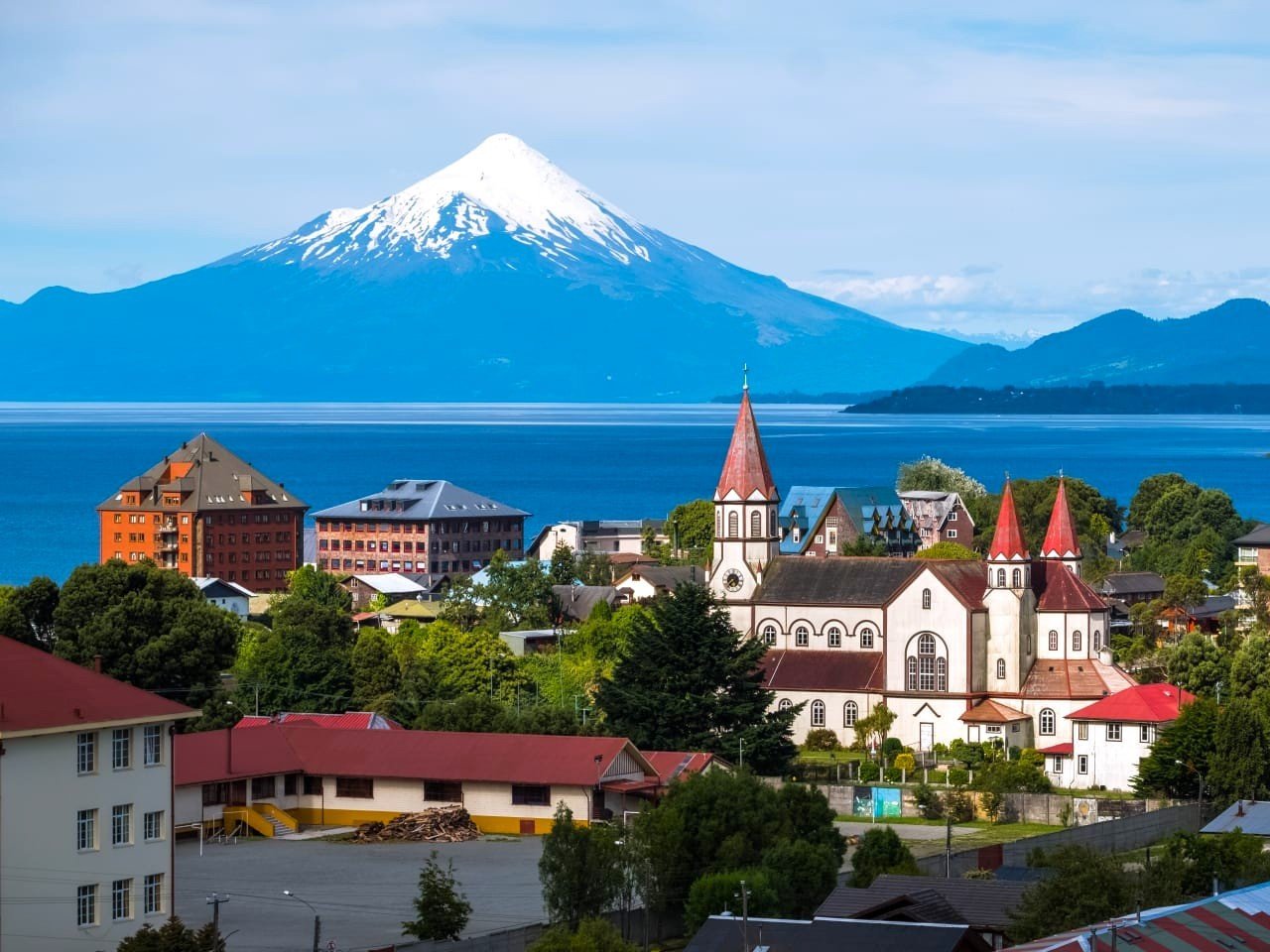
Compare a city market with a southern coastal meal, and ask what is local and seasonal. On Chiloé, a conversation about cooking can be as interesting as the finished dish. Confirm shellfish and other allergens with the kitchen. Leave enough time for lunch to be part of the visit instead of a hurried interval between viewpoints.
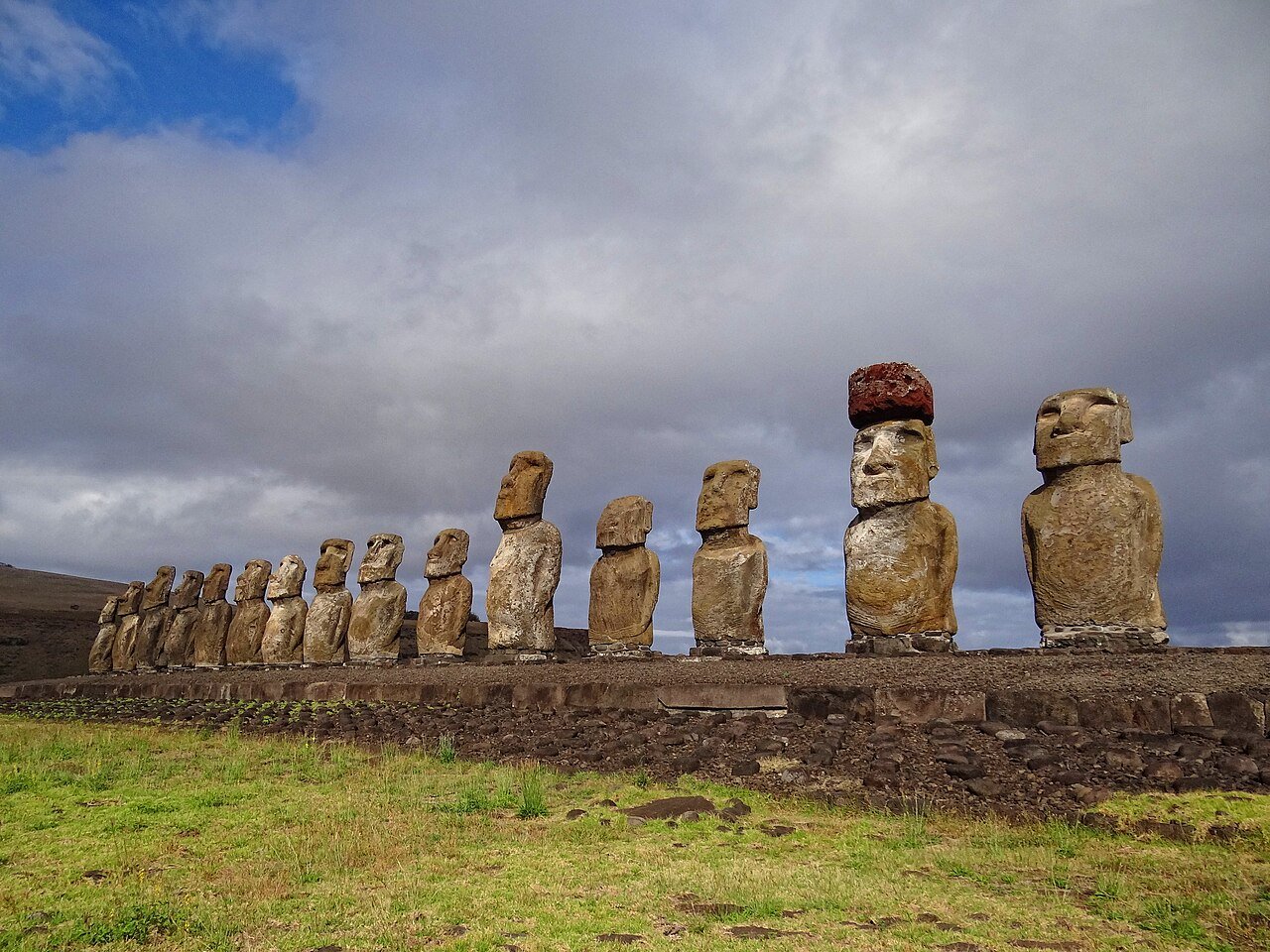
Valparaíso’s streets, Chiloé’s wooden churches and Rapa Nui’s ceremonial landscapes need different kinds of care. They are not interchangeable backdrops. Respect residents’ doorways, worship and restrictions around archaeological sites. Paying a local guide can deepen an experience, especially when the guide explains which stories belong to the place and which are simplified for visitors.
Alongside celebrated landscapes, look for a museum, a bookshop, a maker or a neighborhood café that adds a present-day voice. Buy directly where possible and ask about materials and origins. A memorable visit can be built from a few thoughtful encounters; it does not need to turn every hour into an organized performance.
Reviewed 11 November 2026. Pacing and base suggestions are ATA editorial choices. Accommodation links are direct enquiry points, not inspected-property endorsements or claims of ATA membership. Confirm current services, access and terms. Photographs are credited beside the images and may show earlier conditions.