Make time for the people and everyday places that give a journey its character. Listen closely, ask permission and let a meal or a conversation be part of the experience.
The Caribbean, Andean cities and coffee-growing hills have different histories and rhythms. Listen for those differences in music, speech, food and architecture. A guide can help distinguish a living tradition from a performance arranged for visitors. Ask how a neighborhood has changed and what its residents would like a visitor to notice today.
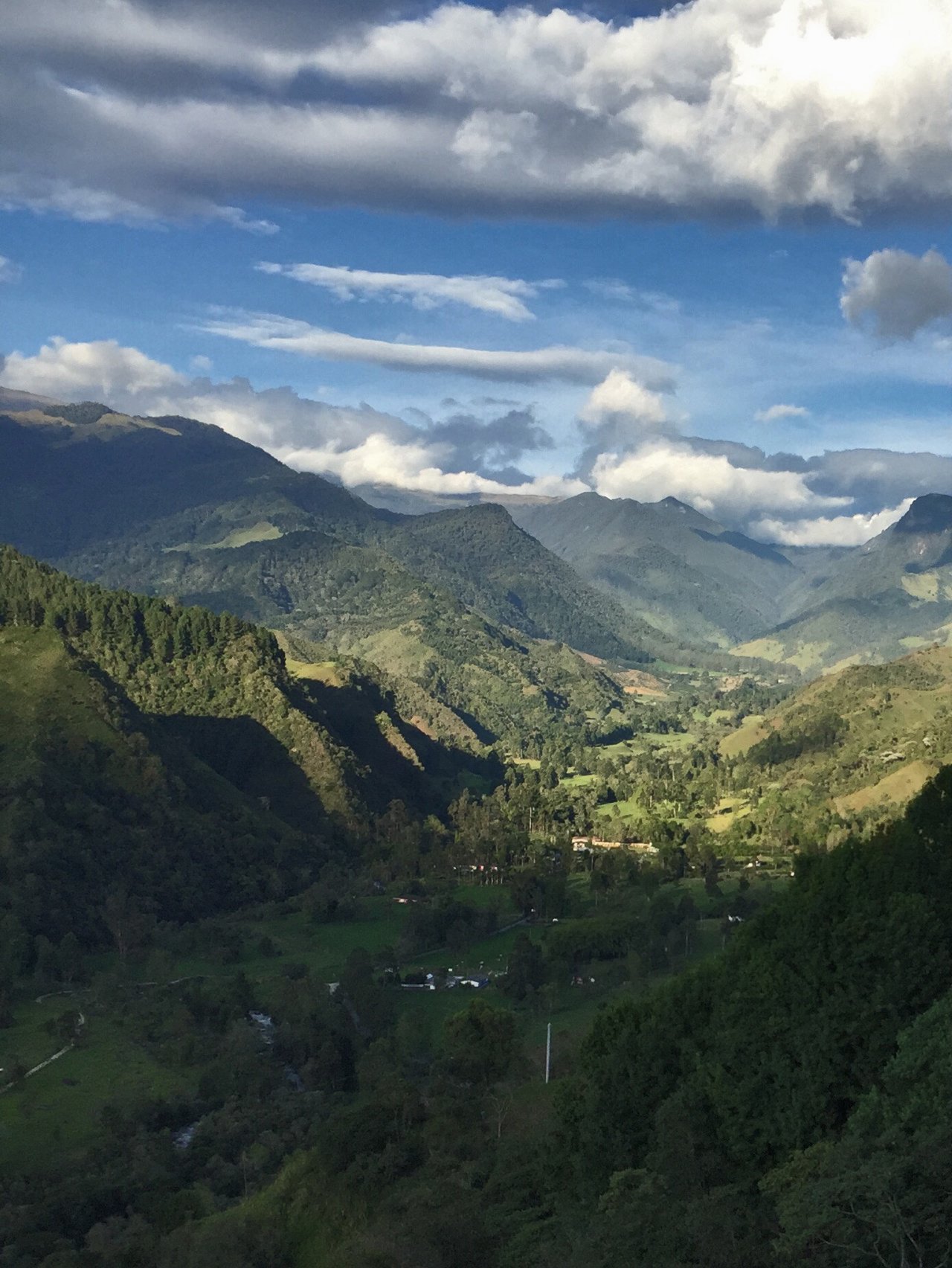
Around Salento, choose a producer visit that explains cultivation, picking and processing as well as tasting. Ask which parts of the production cycle are happening during your visit. A small workshop and a larger estate can offer different experiences, neither needs to promise a staged harvest. Buy directly if you enjoy the coffee, and make space in the itinerary for questions.
Bogotá offers an introduction to ajiaco, the coffee region to hearty Andean cooking, and the Caribbean coast to fish, rice and tropical ingredients. Menus vary by kitchen and season. Try a modest selection thoughtfully rather than ordering every famous dish at once. Discuss allergies directly, particularly in sauces, soups and mixed seafood preparations.
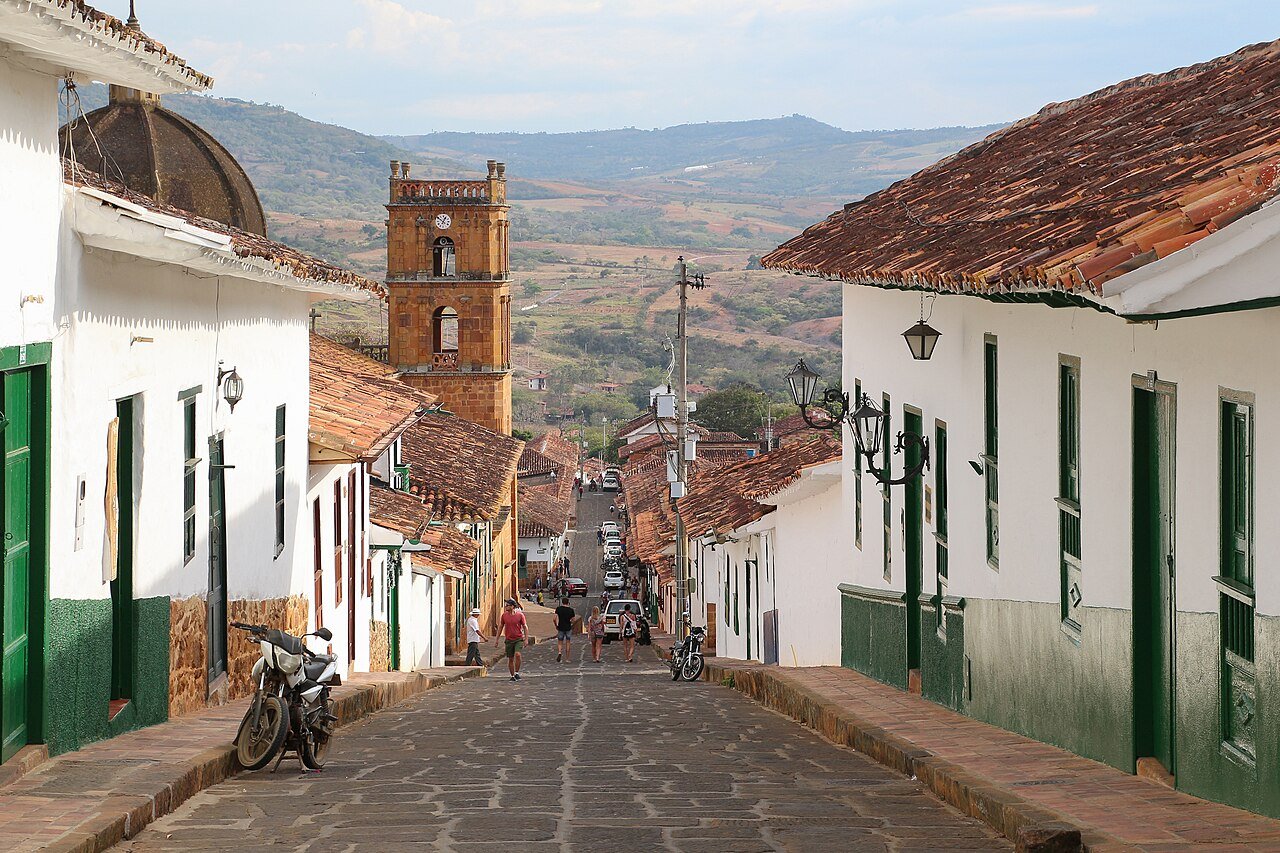
Mompox’s metalwork and Barichara’s stone-built streets invite attention to skilled hands. Ask before entering a workshop or photographing a maker, and understand what is handmade locally before buying. Museum collections offer a longer history, while a contemporary gallery or neighborhood café adds another voice. Leave residential doorways and places of worship clear.
Reviewed 11 November 2026. Pacing and base suggestions are ATA editorial choices. Accommodation links are direct enquiry points, not inspected-property endorsements or claims of ATA membership. Confirm current services, access and terms. Photographs are credited beside the images and may show earlier conditions.