Make time for the people and everyday places that give a journey its character. Listen closely, ask permission and let a meal or a conversation be part of the experience.
A greeting opens more doors than a hurried photograph. Cook Islands Māori and English are widely encountered, but each island has its own community and character. Ask your host about local customs and pronunciation. A village is a lived-in place, so let introductions and permission shape a visit.
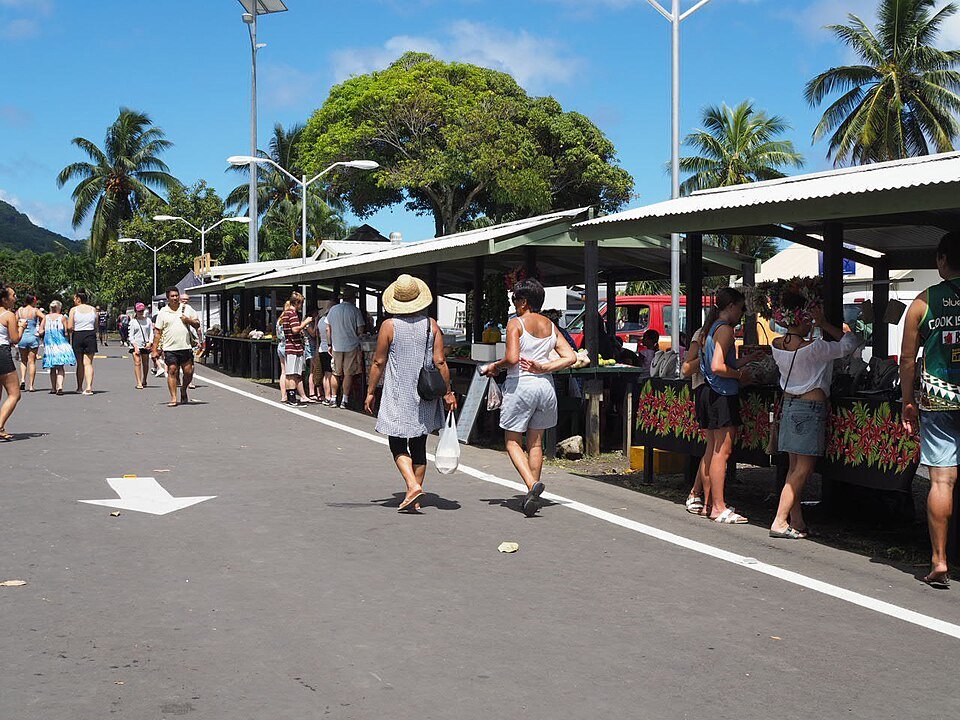
At Punanga Nui, make room for conversation as well as shopping. Ask about seasonal produce, prepared dishes and the work behind a woven or carved object. Buying from its maker gives a visit a more personal connection. Confirm market days locally and keep aisles clear when travelling as a group.
Look for locally prepared fish, taro, coconut and fruit, with availability changing by island and season. Ika mata is a familiar raw-fish preparation, so ask how it is made and whether it suits your needs. Outer-island hosts may provide meals by arrangement, making advance notice particularly helpful.
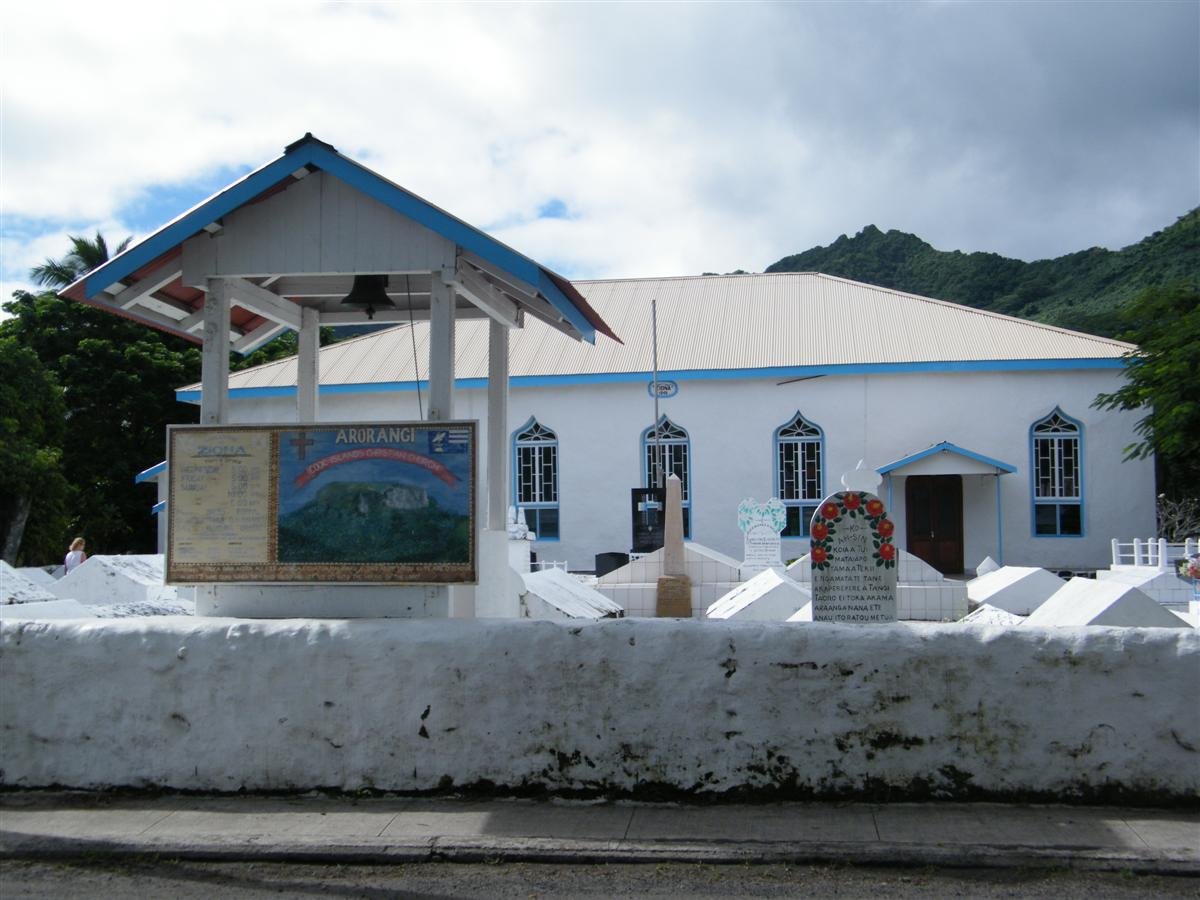
Dance, drumming, singing and craft have meanings beyond a visitor performance. Choose an event that explains its context, and respect restrictions on recording. Churches remain places of worship, dress appropriately and ask before attending. Sunday schedules can affect shops, restaurants and activities.
Reviewed 11 November 2026. Pacing and base suggestions are ATA editorial choices. Accommodation links are direct enquiry points, not inspected-property endorsements or claims of ATA membership. Confirm current services, access and terms. Photographs are credited beside the images and may show earlier conditions.