Make time for the people and everyday places that give a journey its character. Listen closely, ask permission and let a meal or a conversation be part of the experience.
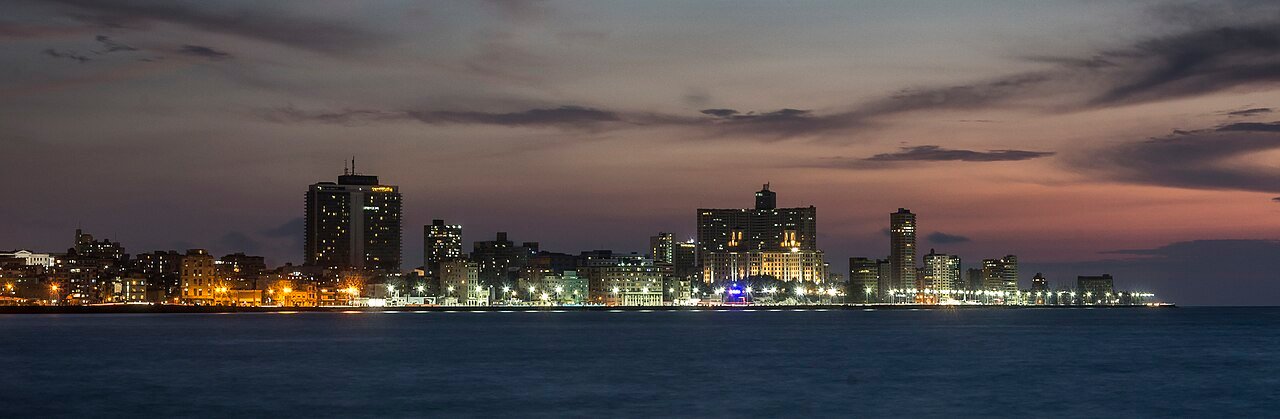
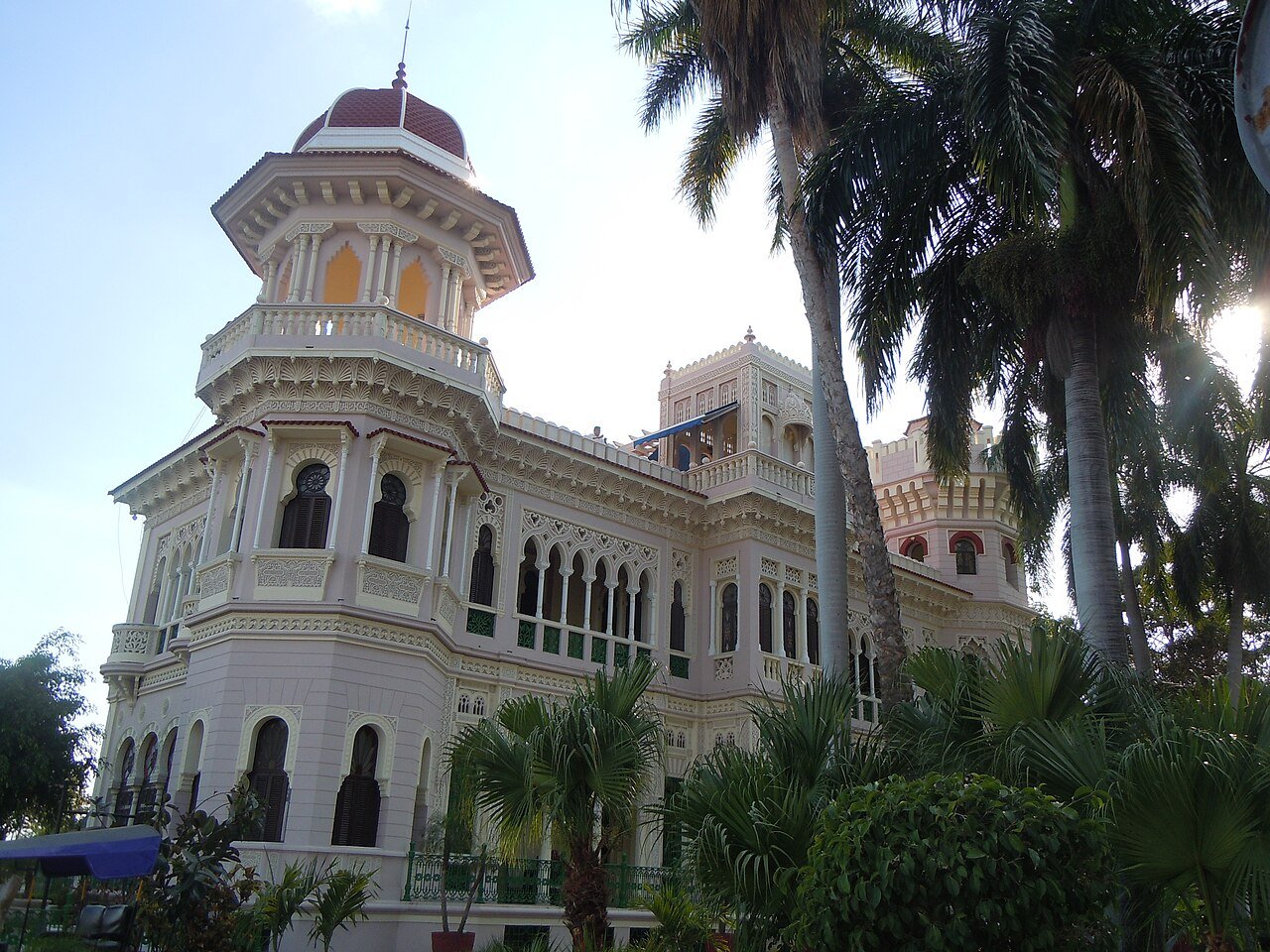
Cuba is more than vintage cars and colourful facades. Museums, artists and neighbourhood guides offer different perspectives on the country’s history and daily life. Choose a few substantial conversations rather than a checklist of photo stops. Ask what is open and welcome for visitors now.
Son, rumba and many other traditions have distinct histories. A venue or guide can help explain what you are hearing. Confirm performances for your dates, ask about cover charges and recording, and support the musicians. A scene in an older travel film does not establish a current concert schedule.
Rice, beans, plantain, root vegetables and seasonal produce appear in many meals, with regional differences and availability shaping the menu. Ask a host what can actually be prepared that day, and discuss dietary needs in advance. Give independent dining venues notice when bringing a group.
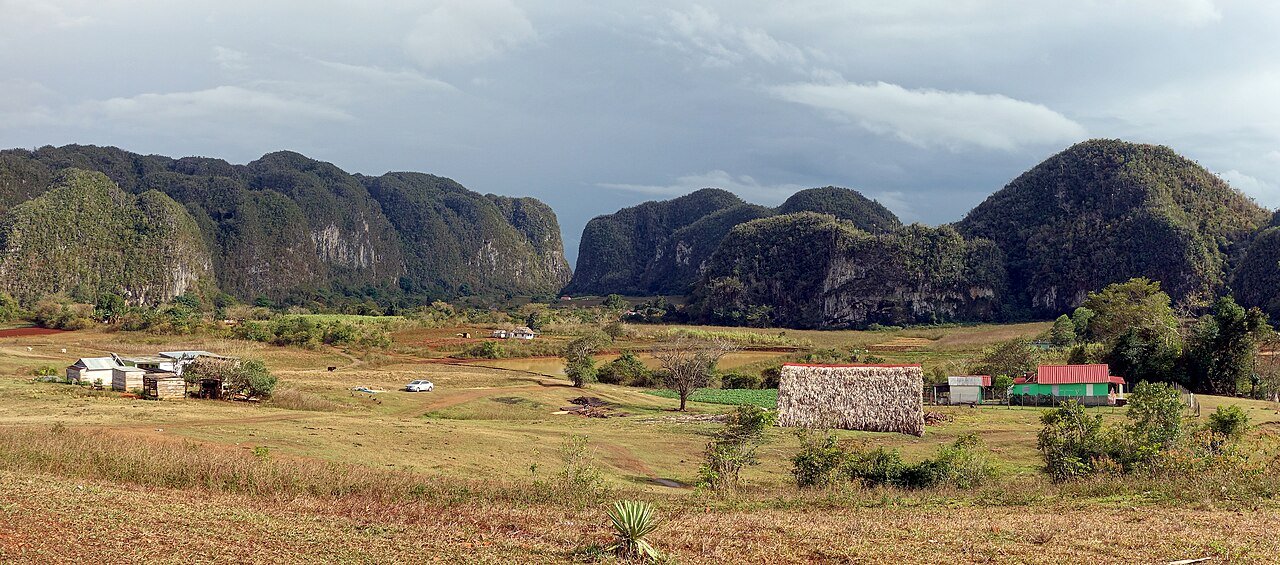
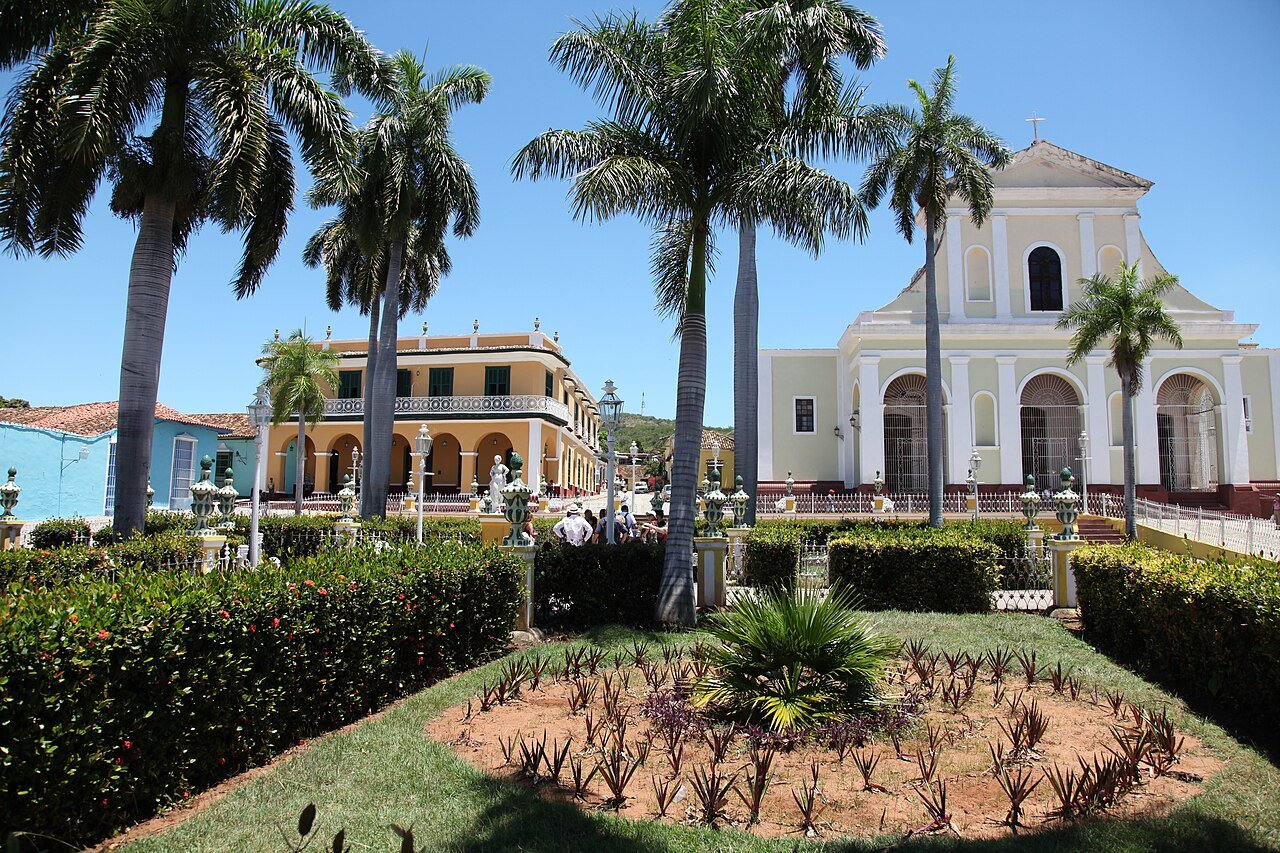
The UNESCO-listed centres reflect commerce, migration and the unequal histories of colonial society. Courtyards, churches, fortifications and sugar landscapes reward a guide who explains those connections. Private homes are not exhibits, and religious practice should be approached with permission and care.
Reviewed 11 November 2026. Pacing and base suggestions are ATA editorial choices. Accommodation links are direct enquiry points, not inspected-property endorsements or claims of ATA membership. Confirm current services, access and terms. Photographs are credited beside the images and may show earlier conditions.