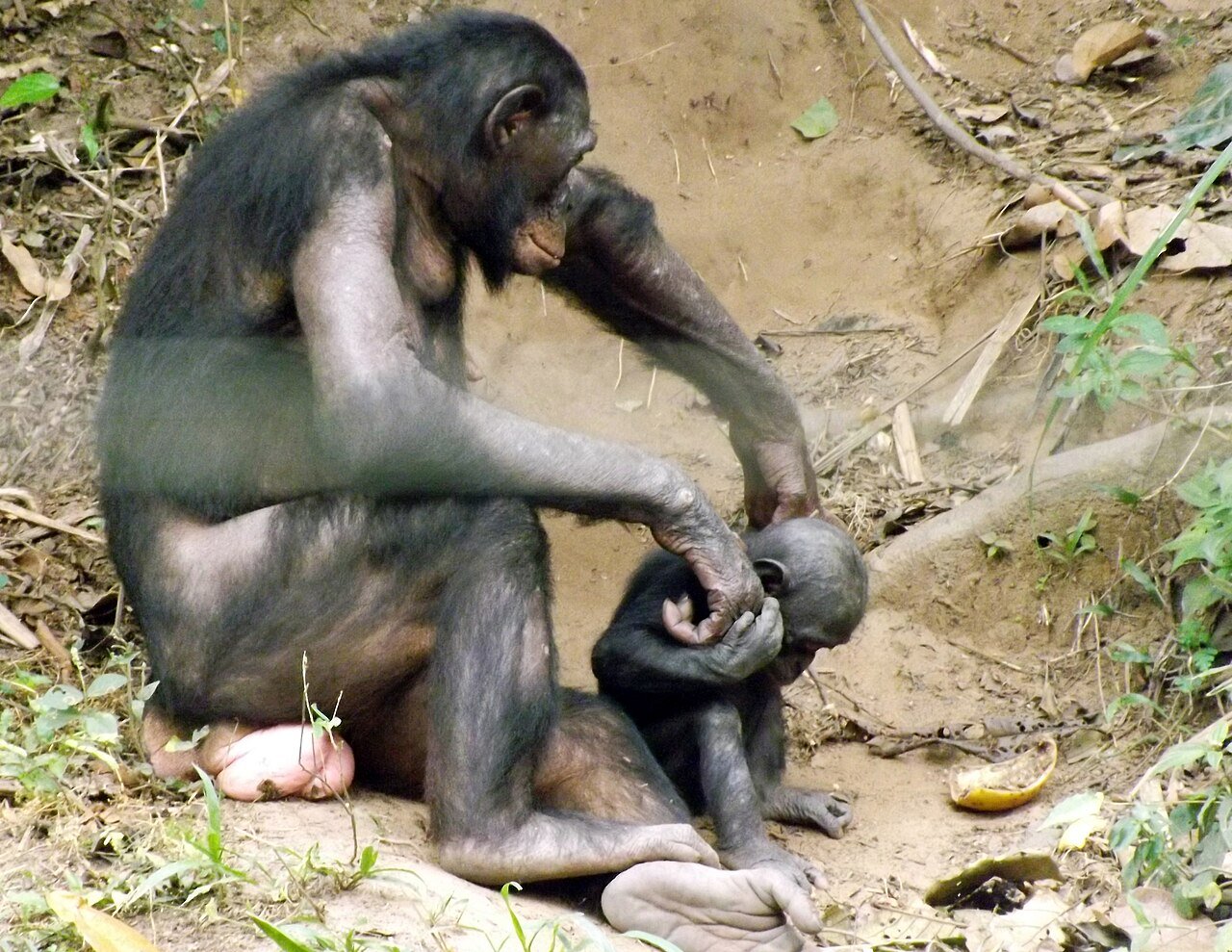

01
Observe without approaching
Watch behaviour from the areas staff designate. Keep your distance, follow hygiene instructions and never treat an animal encounter as an opportunity for touching or feeding.

Kinshasa outskirts · Conservation
A sanctuary visit centred on care and conservation.
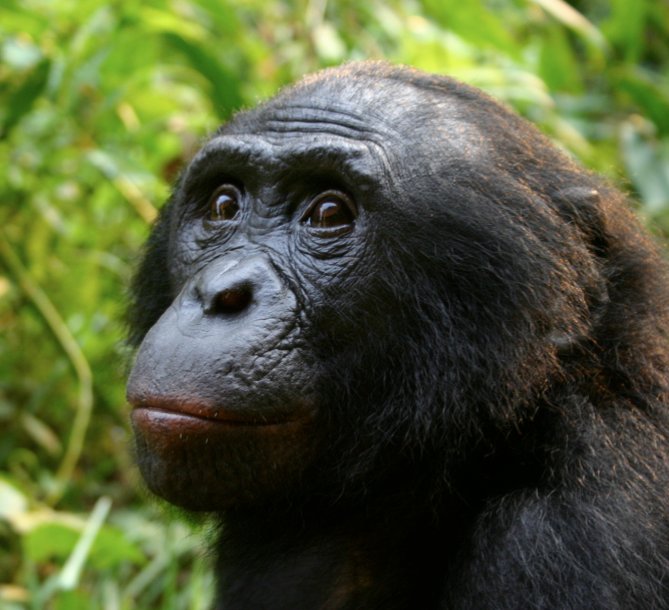
Lola ya Bonobo provides a setting to learn about rescued bonobos and the work involved in caring for them. Follow the sanctuary’s visitor arrangements and let its educators lead the experience. This is a managed sanctuary, not a wild-forest tracking expedition.
Look a little closer
01
Watch behaviour from the areas staff designate. Keep your distance, follow hygiene instructions and never treat an animal encounter as an opportunity for touching or feeding.
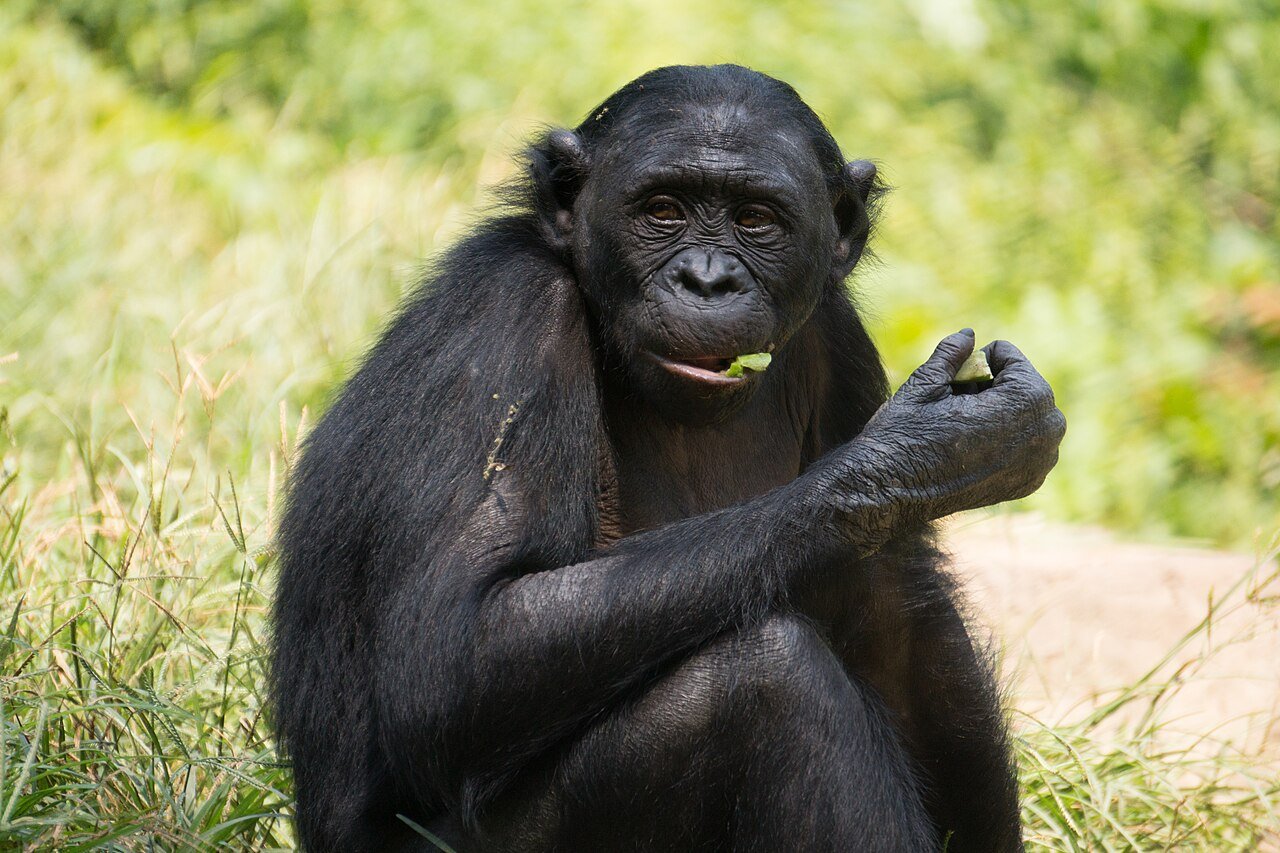
02
Ask how rescue, care and longer-term conservation fit together. Patient observation and a thoughtful question are more valuable than trying to stage a photograph.
Give the place enough time
Contact the sanctuary before planning the outing. Confirm current access after past flood disruption, visitor rules, transport and the time needed from your accommodation.
Ask for the exact program, included fees and cancellation terms. Confirm walking distances, steps, rest breaks and a shorter alternative for your group. Make the main arrangements before adding optional stops, and leave realistic transport margins.
Country planning details →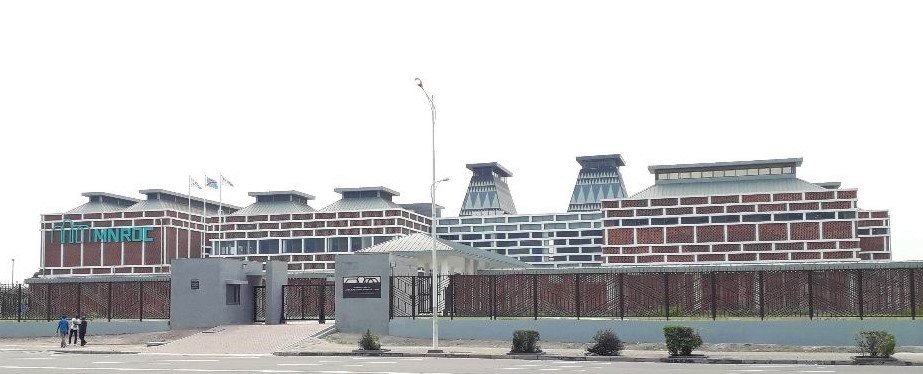
The National Museum, pictured as Kinshasa context, offers a different day’s introduction to the country. Do not compress both visits if traffic or sanctuary arrangements make the day tiring.
Local life, one meal at a time
Arrange drinking water and meals with your host before leaving. Follow the sanctuary’s instructions about where food is allowed.
Explore food, people & culture →Give the meal its own time in the day. Ask what is seasonal and discuss ingredients directly with the kitchen for allergies or dietary requirements. A comfortable pause leaves more attention for the next part of the visit.
Choose a base that fits the visit
A Kinshasa base in the diplomatic quarter. Confirm airport transfers and any separately arranged outings with a trusted local provider. This is not accommodation beside the outlying attractions.
Direct accommodation information ↗
An editorial enquiry choice, not an inspected property or a claim of ATA membership.
Confirm the exact location, current operation, room access, meals and total price directly. Ask what is included in transfers and activities, and request written terms for a group booking. Choose the base for the visit you want to make, not only for a photograph of the property.
Contact a hotel directly →Arrival & local movement
Arrange the return transfer as carefully as the outward trip. Use the sanctuary’s current directions and a provider familiar with the access road.
Go to the source
Use the operator for its current services, the venue for access arrangements and official advice for travel conditions. Confirm details for your dates before paying.
Visitor information ↗Reviewed 11 November 2026. Pacing and base suggestions are ATA editorial choices. Accommodation links are direct enquiry points, not inspected-property endorsements or claims of ATA membership. Confirm current services, access and terms. Photographs are credited beside the images and may show earlier conditions.

