Democratic Republic of the Congo · Everyday connections
People, food & culture.
Make time for the people and everyday places that give a journey its character. Listen closely, ask permission and let a meal or a conversation be part of the experience.
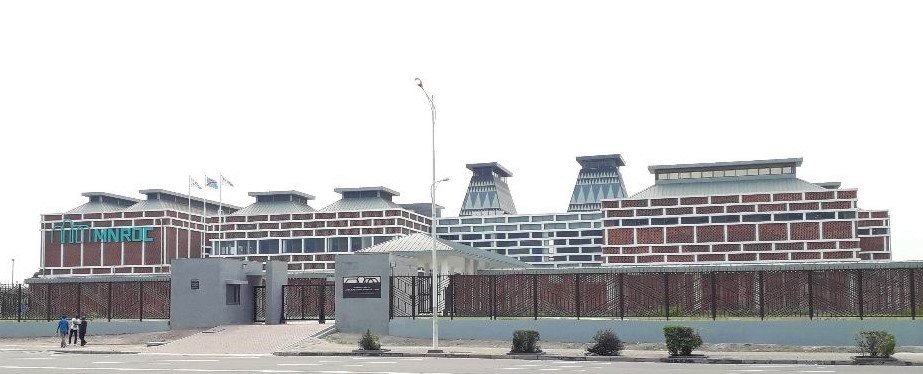
The National Museum offers a starting point for understanding the diversity of Congolese material culture. Let a guide connect an object with its makers and use, rather than treating the collection as one uniform tradition. Ask about interpretation and photography when you arrive.
Make space to hear how local hosts describe the music of their city. Ask a trusted contact about an appropriate current performance and arrange the return journey before the evening begins. A recording, an artist conversation or a small daytime visit can also be a meaningful introduction.
Ask your host about a meal built around local staples and seasonal ingredients. Discuss preparation and dietary needs directly with the kitchen. For longer outings, arrange drinking water and food before leaving the base, so the day does not depend on finding an open restaurant.
National Museum of the Democratic Republic of the CongoMunfarid1 · CC BY-SA 4.0 · Display crop.
A CLOSER CONNECTION
Many histories, many voices
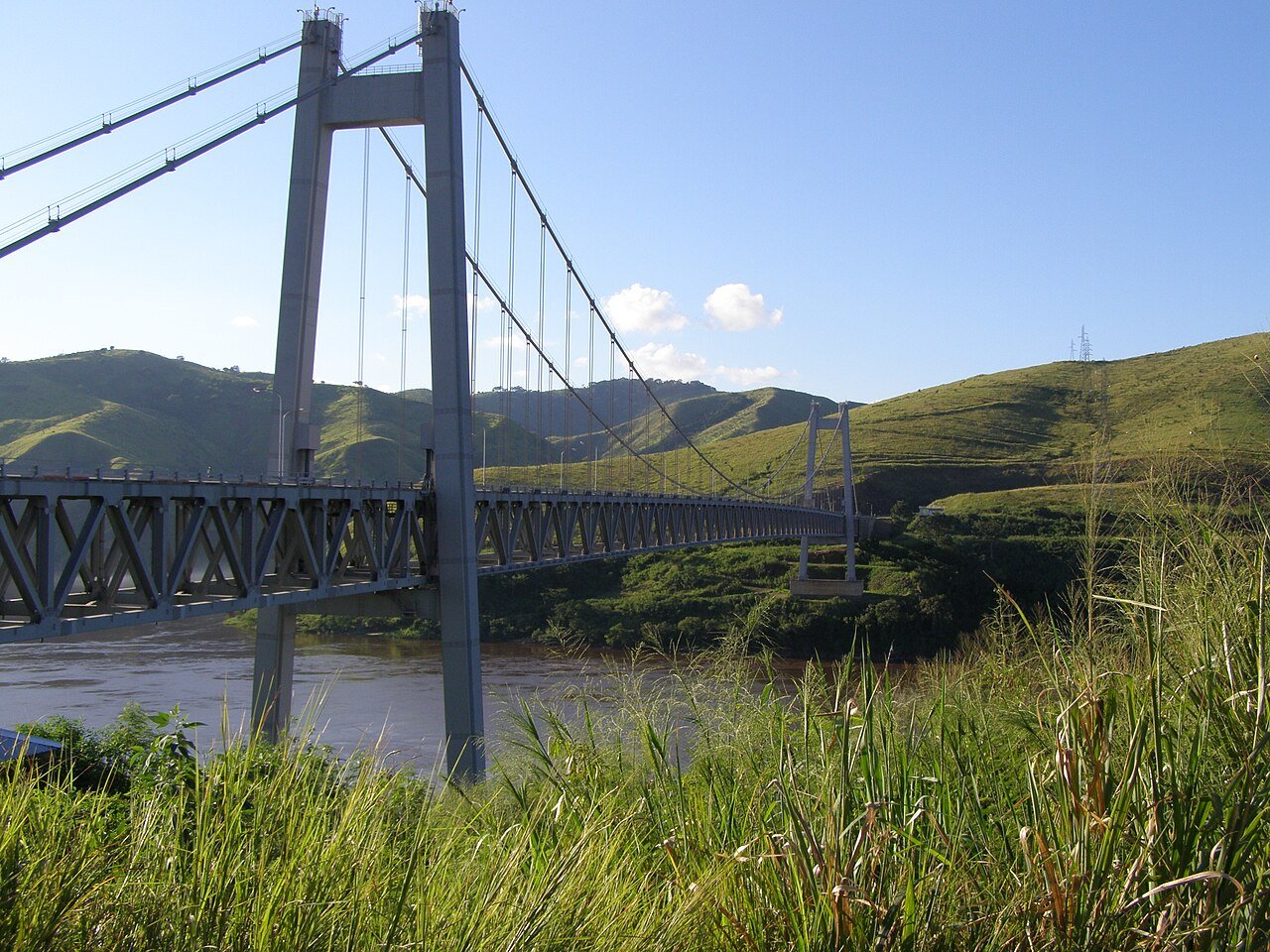
Kongo Central and the southern cities carry different histories of trade, colonial rule, work and cultural exchange. Look for local interpretation and leave room for difficult questions. Historic buildings and transport landmarks should be understood through the people whose lives shaped them.
Reviewed 11 November 2026. Pacing and base suggestions are ATA editorial choices. Accommodation links are direct enquiry points, not inspected-property endorsements or claims of ATA membership. Confirm current services, access and terms. Photographs are credited beside the images and may show earlier conditions.