
01
Sound, form and use
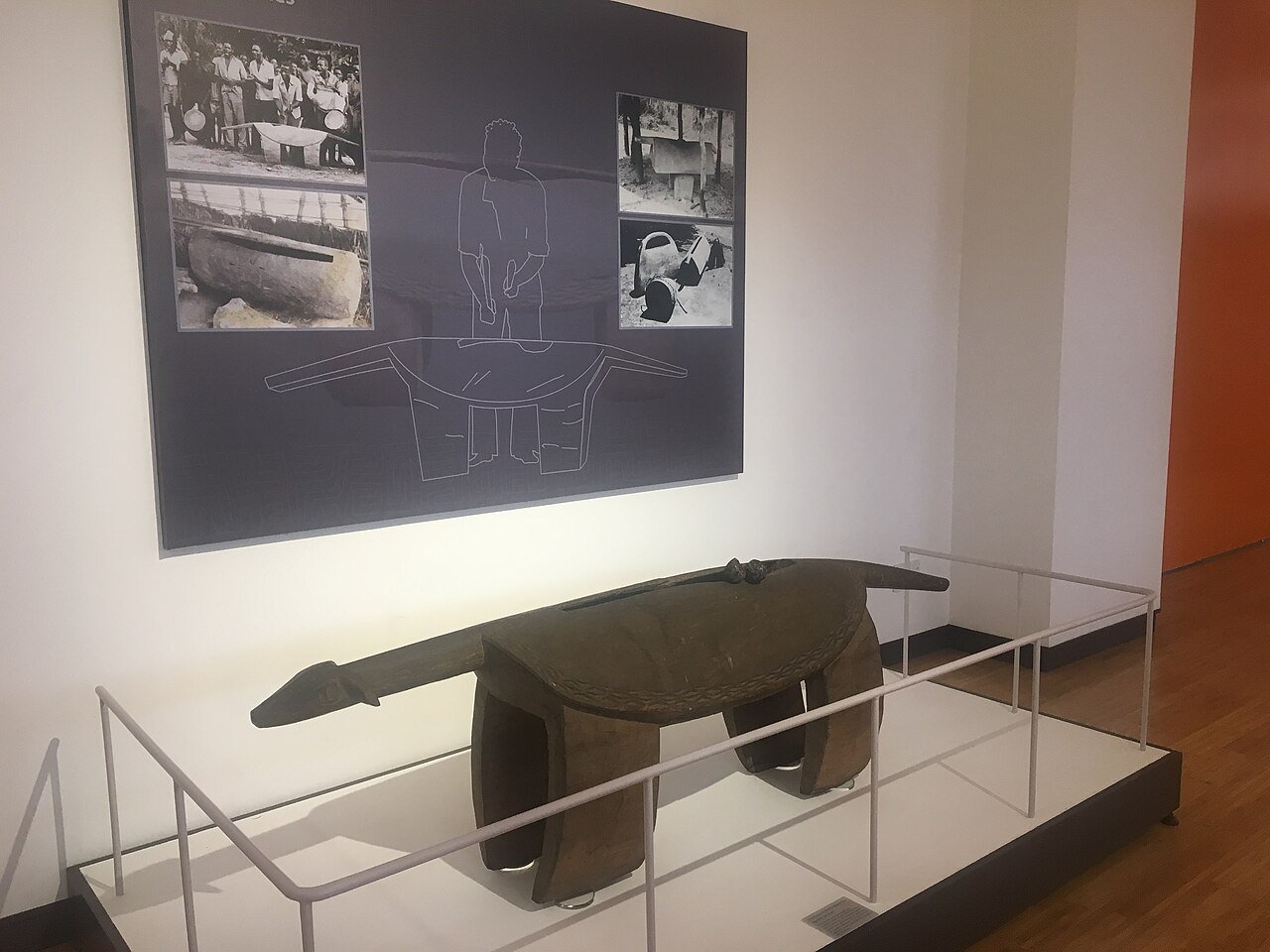
A lokolé displayed at the museum invites questions about sound and communication. Ask the guide to explain the object in its own cultural setting rather than assigning one meaning to every community.

Kinshasa · Objects & interpretation
An introduction to the country through its material culture.
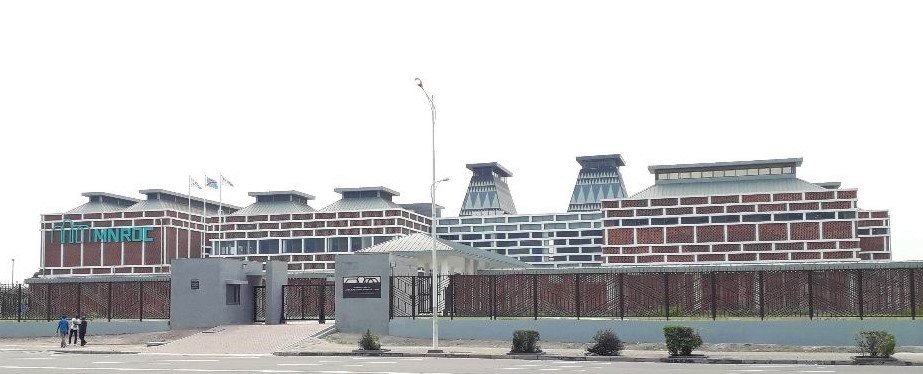
Let the collection be a beginning rather than a checklist. Look closely at a few objects and ask how they were made, used and interpreted. A guided visit can help explain the diversity represented within the Democratic Republic of the Congo.
Look a little closer
01
A lokolé displayed at the museum invites questions about sound and communication. Ask the guide to explain the object in its own cultural setting rather than assigning one meaning to every community.
02
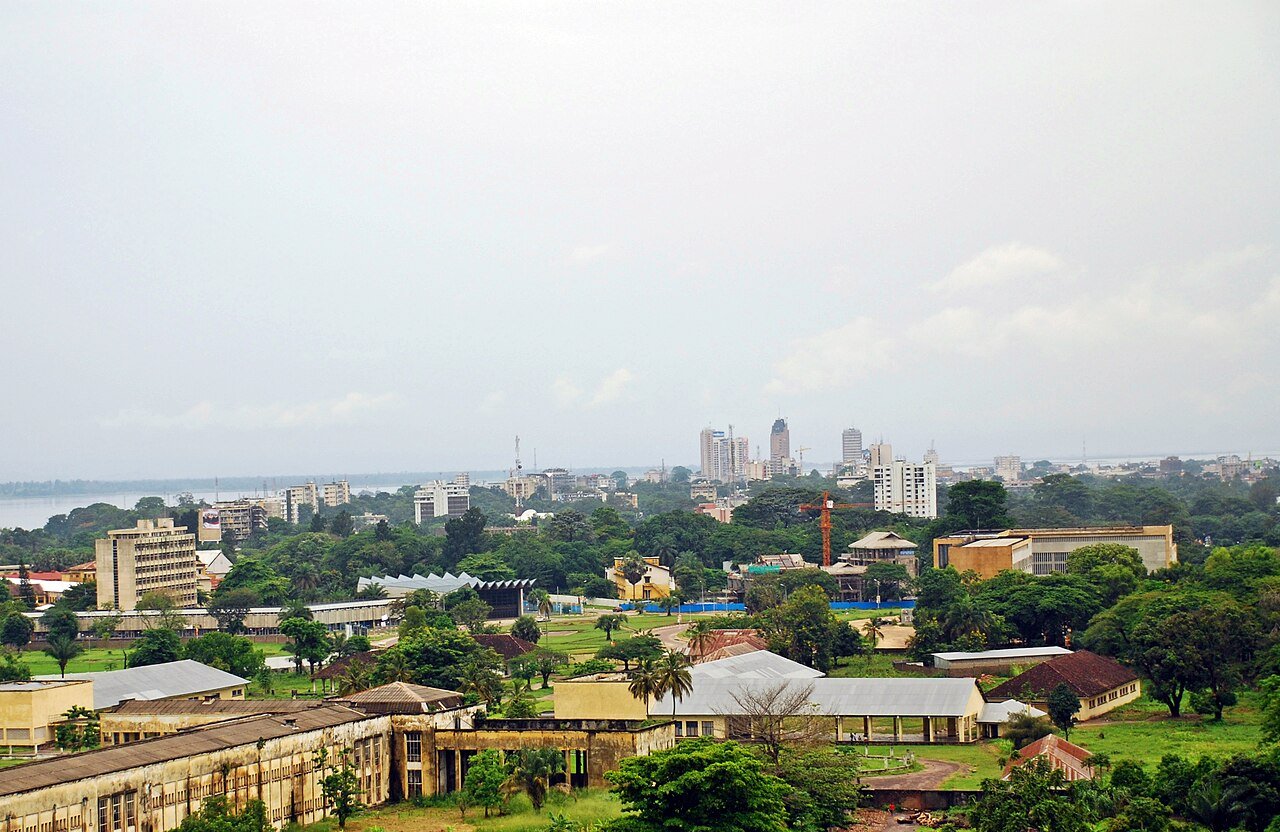
Kinshasa, shown here as city context, offers the present-day setting for the museum. A conversation with a local guide can connect the visit with contemporary creative life.
Give the place enough time
Confirm opening arrangements, guide availability and photography rules directly. Choose a manageable visit length and a few themes that interest your group.
Ask for the exact program, included fees and cancellation terms. Confirm walking distances, steps, rest breaks and a shorter alternative for your group. Make the main arrangements before adding optional stops, and leave realistic transport margins.
Country planning details →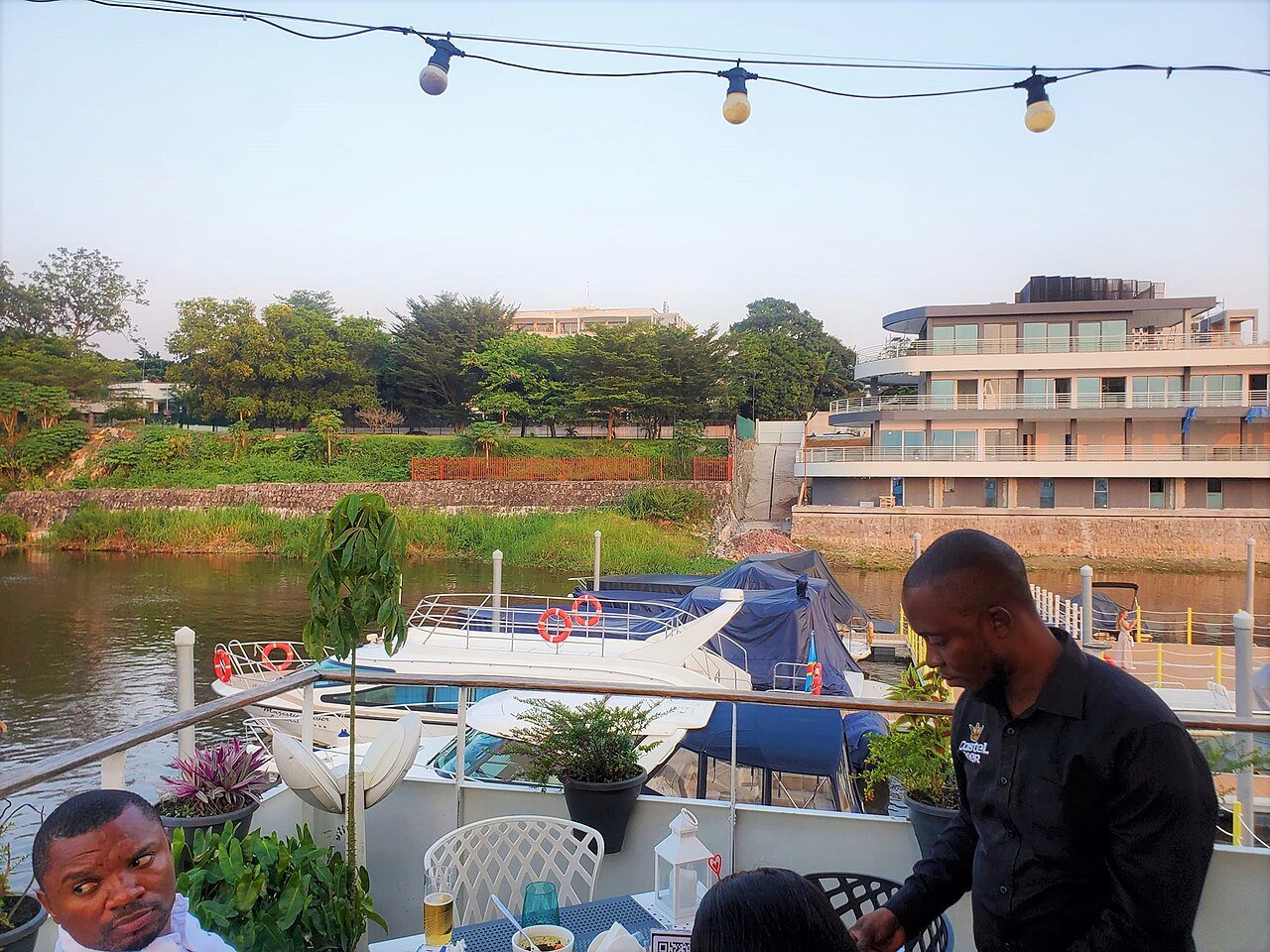
A separate river viewpoint can provide a change of pace after the galleries. Agree the location and transport beforehand, with no assumption of a boat excursion.
Local life, one meal at a time
Arrange a meal nearby through your host rather than assuming a museum café is open. Keep the schedule comfortable for anyone who needs a seated break.
Explore food, people & culture →Give the meal its own time in the day. Ask what is seasonal and discuss ingredients directly with the kitchen for allergies or dietary requirements. A comfortable pause leaves more attention for the next part of the visit.
Choose a base that fits the visit
A Kinshasa base in the diplomatic quarter. Confirm airport transfers and any separately arranged outings with a trusted local provider. This is not accommodation beside the outlying attractions.
Direct accommodation information ↗
An editorial enquiry choice, not an inspected property or a claim of ATA membership.
Confirm the exact location, current operation, room access, meals and total price directly. Ask what is included in transfers and activities, and request written terms for a group booking. Choose the base for the visit you want to make, not only for a photograph of the property.
Contact a hotel directly →Arrival & local movement
Use a confirmed vehicle transfer within Kinshasa. Ask the museum or host about the most appropriate entrance and any current access procedure.
Go to the source
Use the operator for its current services, the venue for access arrangements and official advice for travel conditions. Confirm details for your dates before paying.
Visitor information ↗Reviewed 11 November 2026. Pacing and base suggestions are ATA editorial choices. Accommodation links are direct enquiry points, not inspected-property endorsements or claims of ATA membership. Confirm current services, access and terms. Photographs are credited beside the images and may show earlier conditions.

