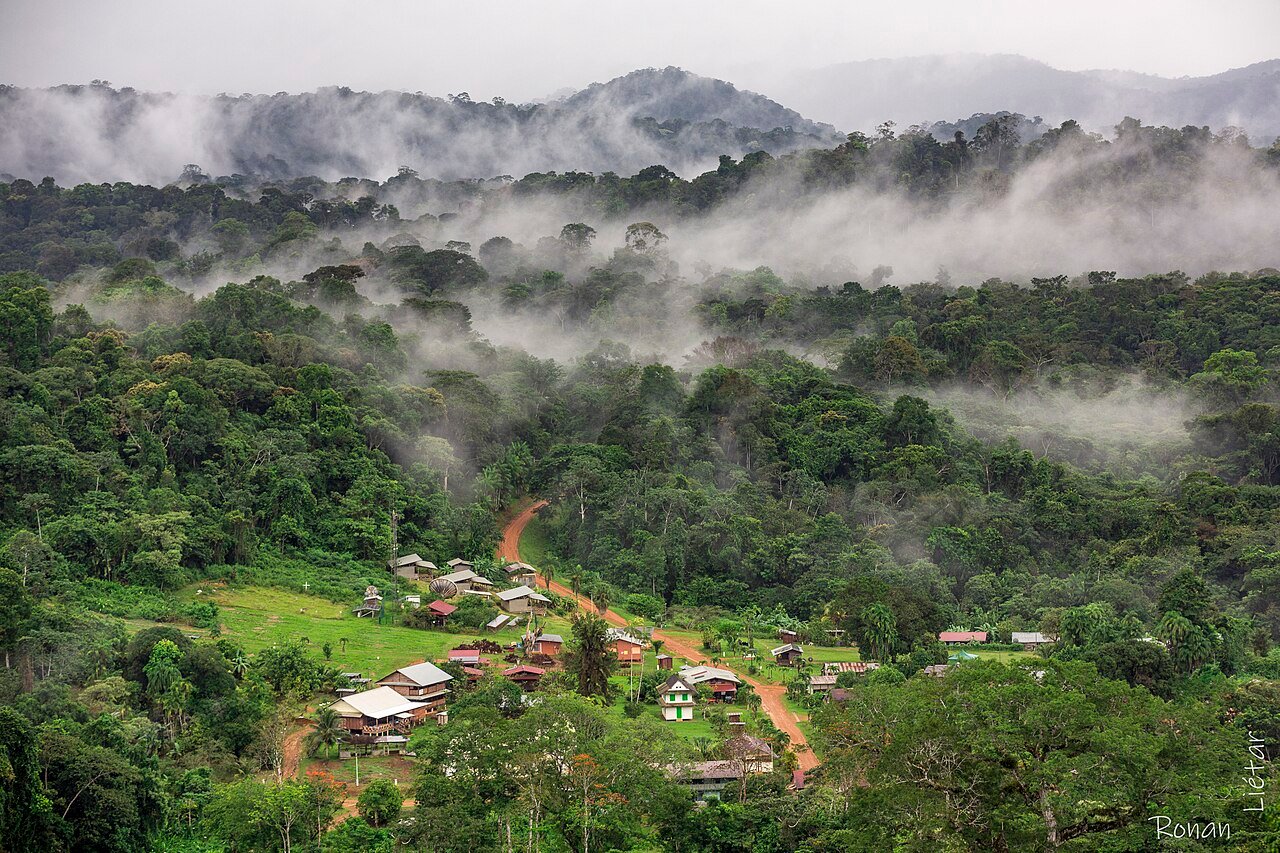
Make time for the people and everyday places that give a journey its character. Listen closely, ask permission and let a meal or a conversation be part of the experience.
French Guiana brings together Creole, Indigenous, Maroon, Hmong and many other communities. These are living, distinct cultures with different histories and languages. Museums and locally hosted visits can provide context, but no short itinerary represents everyone. Let people describe their own identities and listen before asking for photographs.
A market meal can introduce ingredients and cooking traditions more naturally than a checklist of specialities. Cacao offers a particular Hmong food context, while coastal and river towns have their own practices. Ask about ingredients and availability, and reserve meals when a small host needs time to prepare.
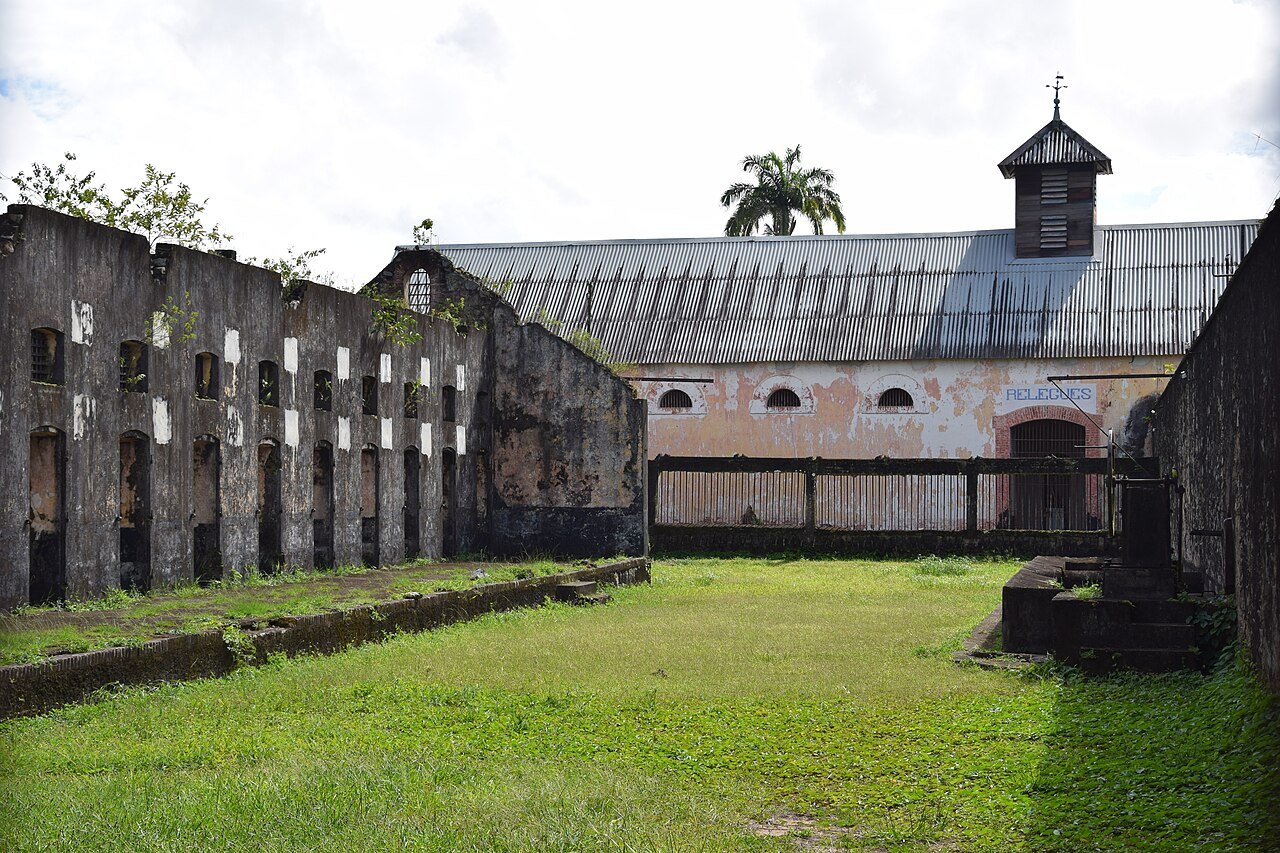
Penal-colony sites are important, but they are not the whole history of the territory. Read interpretation, seek local perspectives and avoid turning suffering into adventure folklore. Place the historic buildings alongside the lives and aspirations of the communities who inhabit the region today.
Ask a maker about materials and the meaning they choose to share. Do not assume that a design, ceremony or story is available for copying or photography. Buy through clearly identified makers and check import rules for natural materials. A respectful conversation can be more valuable than acquiring an object.
Reviewed 12 November 2026. Pacing and base suggestions are ATA editorial choices. Accommodation links are direct enquiry points, not inspected-property endorsements or claims of ATA membership. Confirm current services, access and terms. Photographs are credited beside the images and may show earlier conditions.