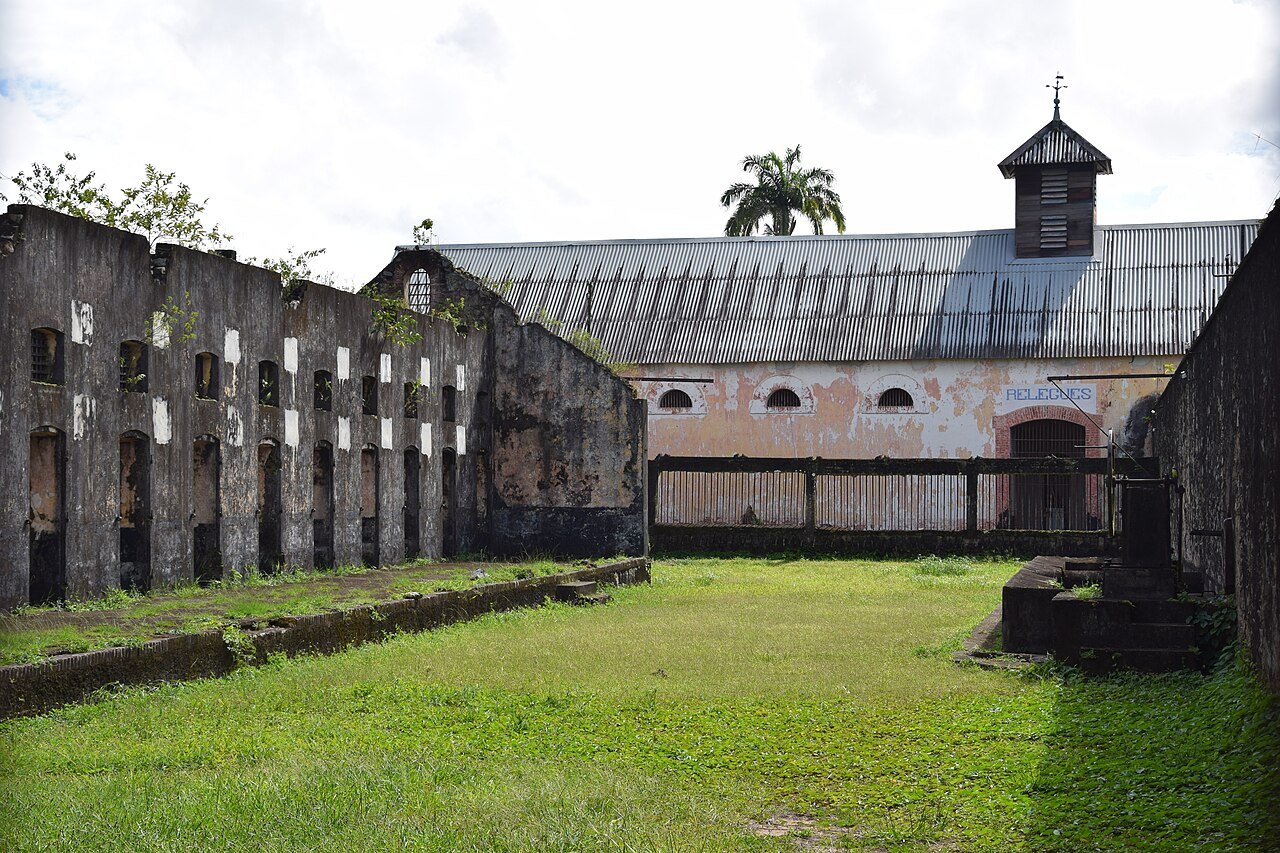
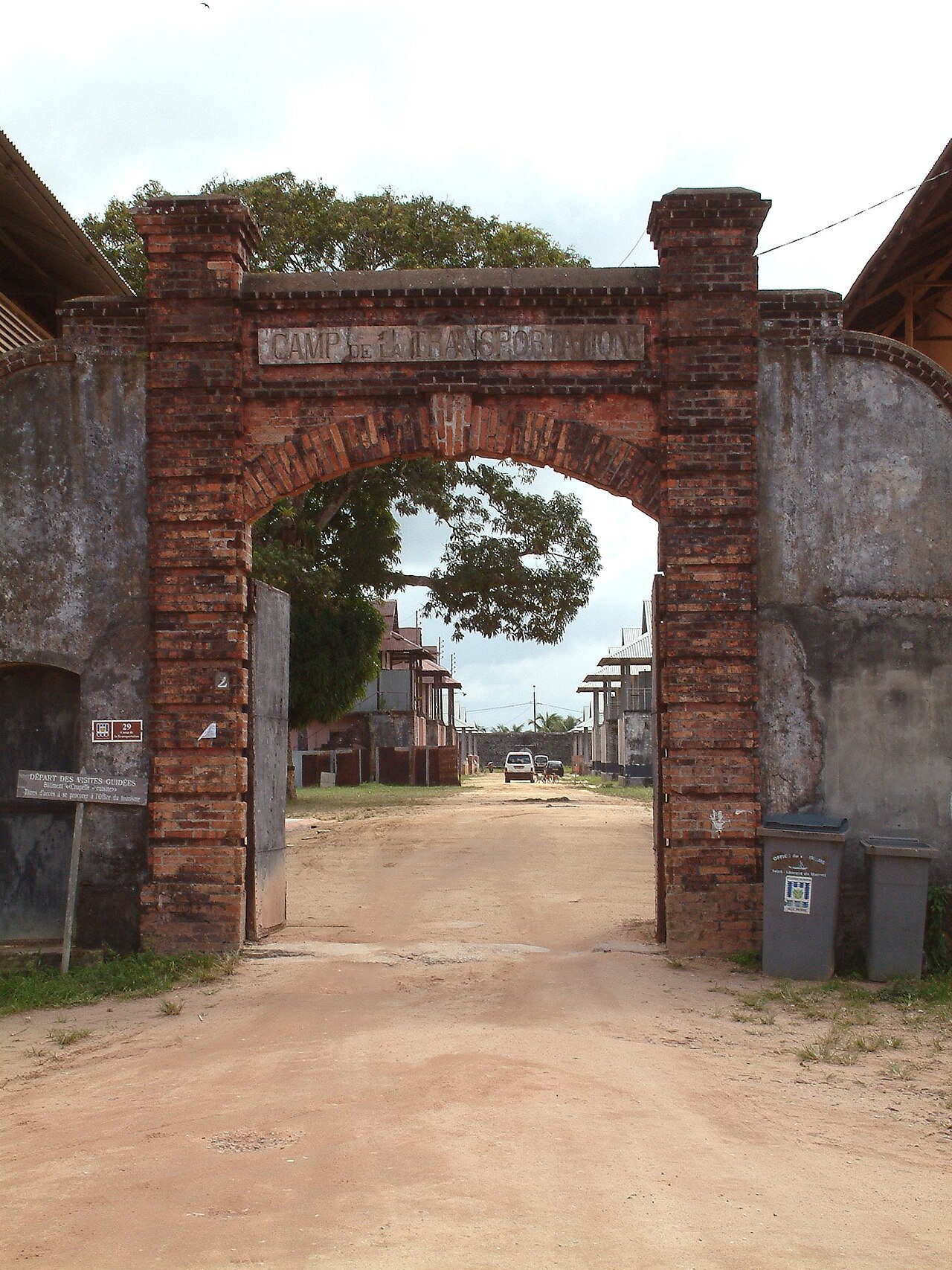
Pair a considered visit to the former penal complex with a walk through the working town. The Maroni is an international border as well as a central part of daily life.
The compound makes the penal system’s scale tangible, but its meaning comes from the people and stories behind the walls. Take a contextual tour when available and leave time for the interpretation rather than seeking only famous names or cells. Parts of the site may be accessible only under specific arrangements. Approach photographs with the same care you would bring to any place of suffering and memory.
Getting here
Begin with the tourism office at the camp and confirm the current guided or independent visitor arrangements.
Location: Camp de la Transportation Saint Laurent du Maroni. Confirm final access locally.
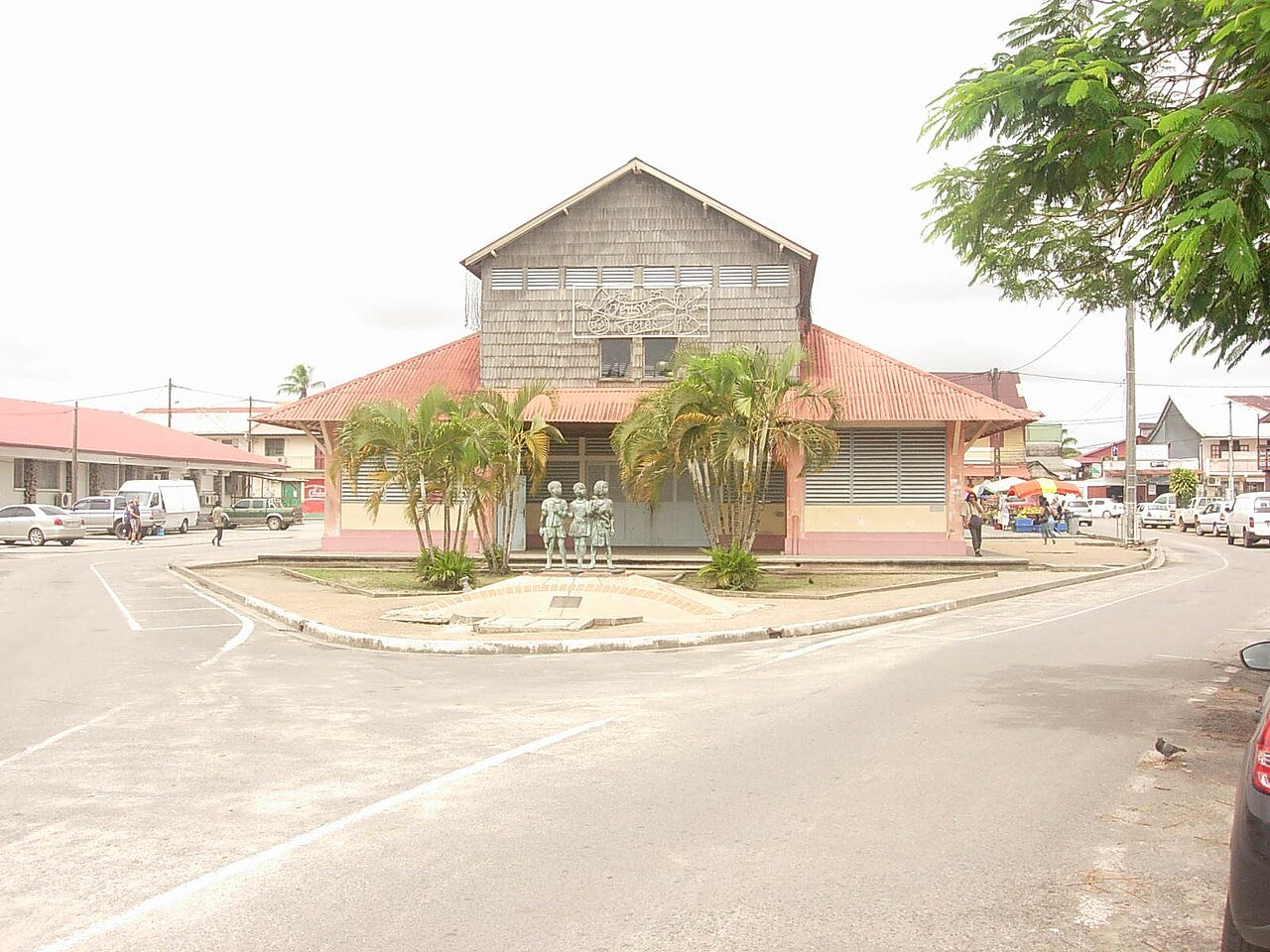
A market morning reveals the town as a place of trade and conversation rather than only a historic destination. Ask before photographing people and notice the different languages and ingredients without assuming that appearance identifies someone’s community. The riverfront is a working environment. Any boat excursion needs an agreed route and legal arrangements; crossing to Suriname is a separate international journey.
Getting here
Walk through the central streets towards the market and designated public waterfront. Keep clear of freight and boat-loading areas.
Location: Saint Laurent du Maroni market. Confirm final access locally.
Give the area at least a full day, with two nights when transfers or booked outings are involved. Keep a weather alternative and avoid rushing a return boat or road journey.
Before you book
Check current opening days and choose a walking route that suits your party. Reserve accommodation and any required transfers before filling the day with optional stops.
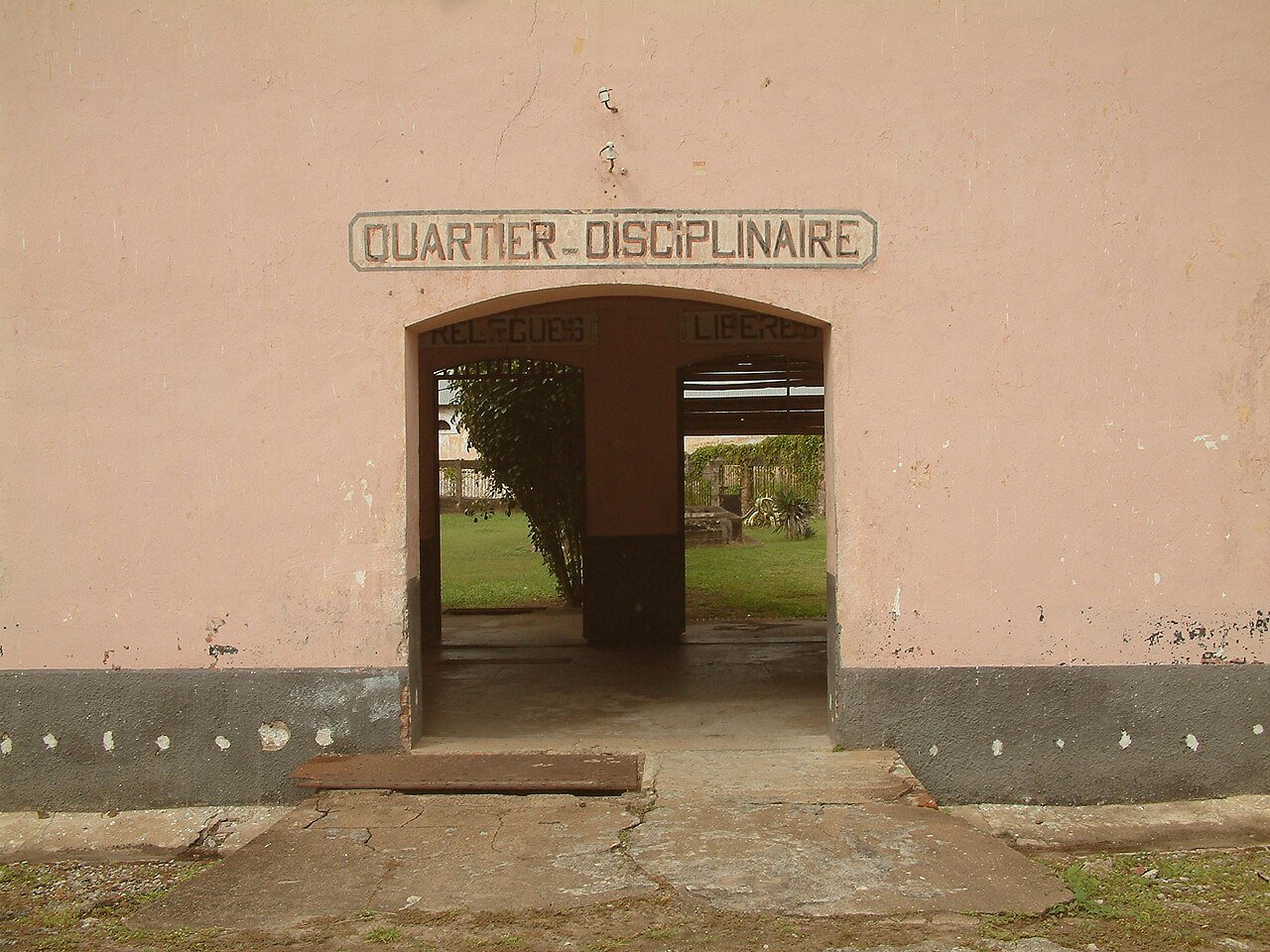
Camp de la transportation saint laurent du maroni - quartier disciplinaireSébastien MAENNEL · CC BY-SA 3.0 · Display crop.
Look beyond the headline
Leave time for a shaded pause and a second look at the river, shore or village streets from a permitted public place. Everyday details give the larger landscape its human scale.
Local life, one meal at a time
Eat & drink.
Ask about the day’s locally prepared dishes and seasonal produce, with Creole and other community traditions varying by place. Reserve meals outside larger towns and discuss ingredients directly with the kitchen.
Give the meal its own time in the day. Ask what is seasonal and discuss ingredients directly with the kitchen for allergies or dietary requirements. A comfortable pause leaves more attention for the next part of the visit.
Choose a base that fits the visit
Where to stay.
Hôtel Amazonia du Fleuve
A Saint-Laurent accommodation enquiry through the Amazonia group. Specify the town when requesting a room.
An editorial enquiry choice, not an inspected property or a claim of ATA membership.
Ask the practical questions
Confirm the exact location, current operation, room access, meals and total price directly. Ask what is included in transfers and activities, and request written terms for a booking. Choose the base for the visit you want to make, not only for a photograph of the property.
Use a planned road transfer from Cayenne or Kourou. Do not assume a rental-car booking includes any international river crossing.
Go to the source
Useful information.
Use the operator for its current services, the venue for access arrangements and official advice for travel conditions. Confirm details for your dates before paying.
Reviewed 12 November 2026. Pacing and base suggestions are ATA editorial choices. Accommodation links are direct enquiry points, not inspected-property endorsements or claims of ATA membership. Confirm current services, access and terms. Photographs are credited beside the images and may show earlier conditions.