Make time for the people and everyday places that give a journey its character. Listen closely, ask permission and let a meal or a conversation be part of the experience.
Former Kowloon, Canton Railway clock towerMk2010 · CC BY-SA 4.0 · Display crop.
Hong Kong’s identity is visible in much more than the skyline: ferry piers, market streets, apartment buildings and hillside paths all belong to the same place. Spend time at street level and notice how residents use the neighborhood. Avoid treating older streets as a frozen version of the past.
Yung Shue Wan on Lamma IslandNhk9 · CC BY-SA 4.0 · Display crop.
A CLOSER CONNECTION
Cantonese food and everyday cafés
Dim sum, noodle shops, bakeries and cha chaan teng cafés offer different ways to eat. Ordering and service styles vary, so watch, ask and be patient in busy small premises. Shared dishes are a good reason to discuss portions and dietary requirements before ordering.
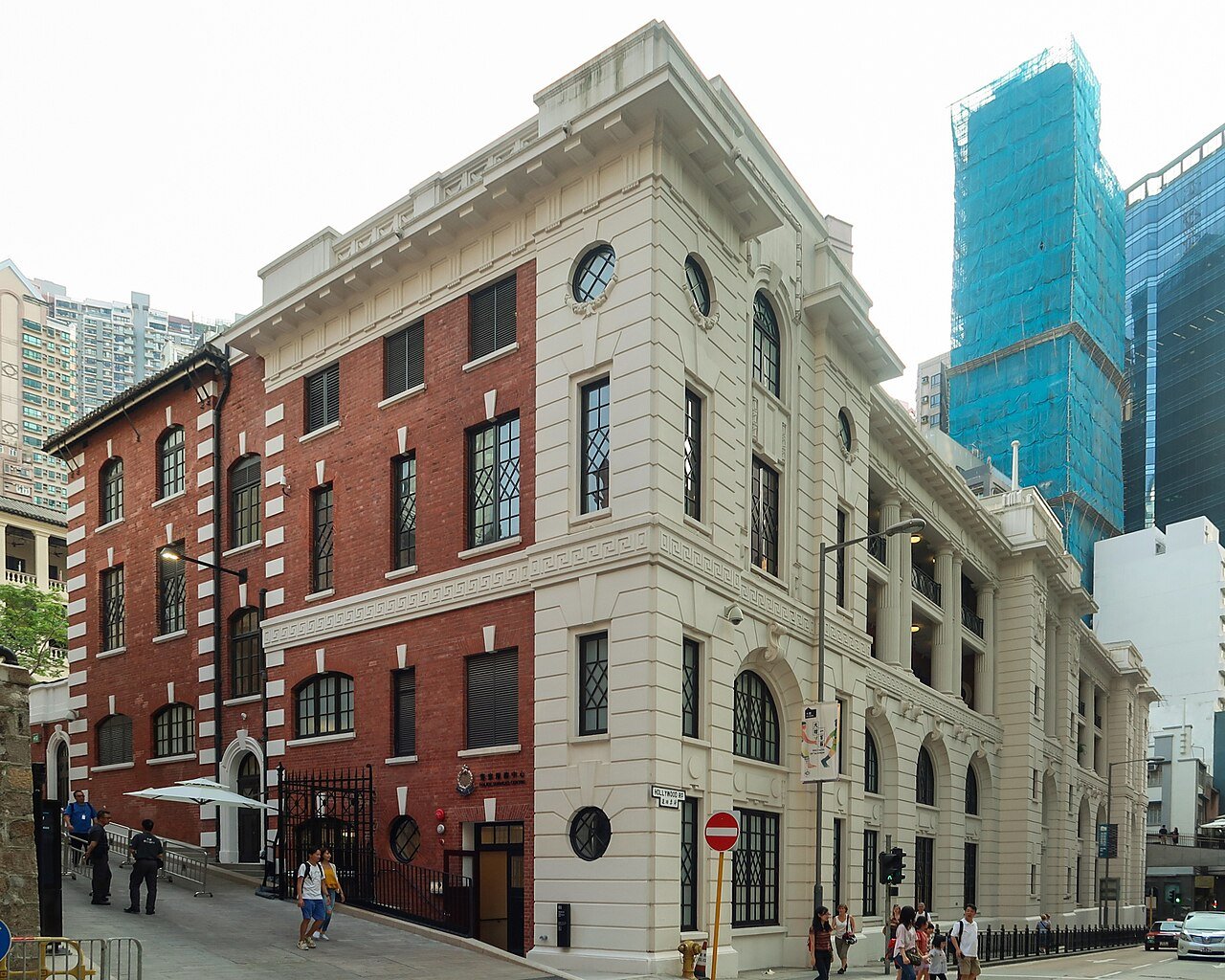
Former police headquarters at Tai KwunWpcpey · CC BY-SA 4.0 · Display crop.
A CLOSER CONNECTION
Temples and community heritage
Man Mo Temple, Pak Tai Temple and other religious places serve worshippers first. Follow local guidance on incense, photographs and visitor areas. Heritage projects such as the Blue House connect architecture with continuing community life, making respectful access more important than a perfect picture.
The Avenue of Stars provides an introduction to cinema, while Tai Kwun and other venues offer changing cultural programs. Choose an exhibition or performance that interests you and check its actual dates. A city’s cultural life is easier to understand when you take part in an event rather than only photograph its building.
Reviewed 13 November 2026. Pacing and base suggestions are ATA editorial choices. Accommodation links are direct enquiry points, not inspected-property endorsements or claims of ATA membership. Confirm current services, access and terms. Photographs are credited beside the images and may show earlier conditions.