Make time for the people and everyday places that give a journey its character. Listen closely, ask permission and let a meal or a conversation be part of the experience.
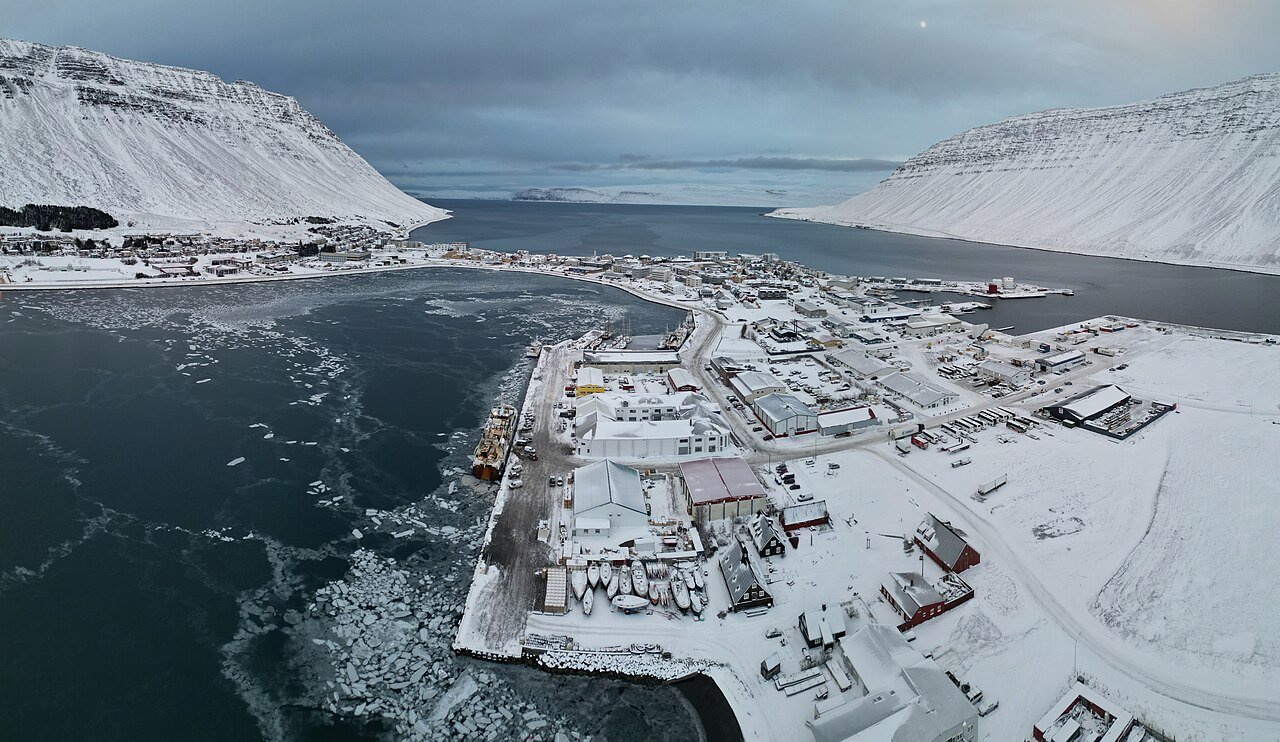
Höfn, Húsavík, Ísafjörður and Siglufjörður connect visitors with the sea in different ways. Museums can explain local industries and their social history, while the harbor shows continuing work. Keep clear of active quays and vehicles, and do not assume a picturesque vessel is open to visitors.
Fish, lamb, dairy foods, bread and contemporary cooking offer a broad introduction. Ask about regional ingredients and seasonal menus. Rural kitchens may require advance booking, so a planned meal can support the day’s rhythm as well as a local business. Dietary needs should be discussed directly.
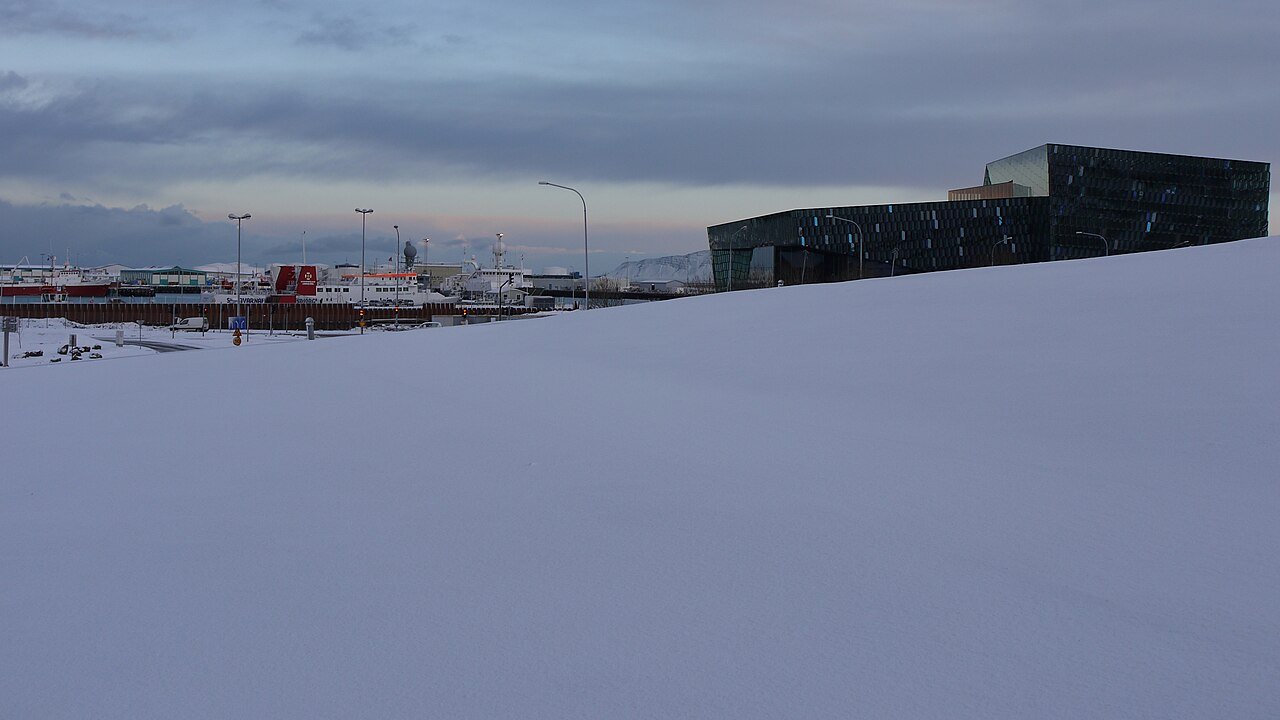
Reykjavík’s performance venues and regional museums offer reasons to spend time indoors beyond escaping bad weather. Check programs and seasonal opening before travel. Local stories are best approached with curiosity, distinguishing folklore, interpretation and documented history rather than presenting them as interchangeable facts.
Public pools, churches, residential streets and rural land have their own expectations. Follow posted rules, ask before entering private property and keep noise down around homes. Place names can be unfamiliar; checking the spelling and location carefully is both respectful and practical when arranging a visit.
Reviewed 13 November 2026. Pacing and base suggestions are ATA editorial choices. Accommodation links are direct enquiry points, not inspected-property endorsements or claims of ATA membership. Confirm current services, access and terms. Photographs are credited beside the images and may show earlier conditions.