A university on the hill, a river below, stories between.
Coimbra has an academic soul and a steep old-town heart. Let the university set the scene, then make room for cloisters, collections and a quiet walk beside the Mondego. It works particularly well as an overnight chapter between Lisbon and Porto.
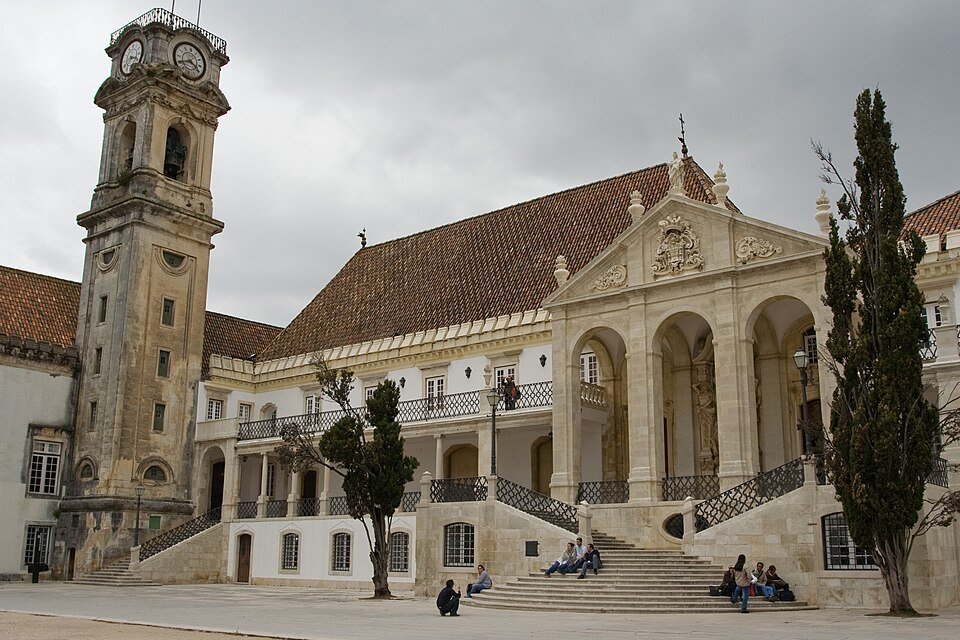
Coimbra’s hilltop was a royal seat before it became the enduring home of the university in the sixteenth century. The contrast still shapes the city: palace courtyards and scholarly buildings above, commercial streets and the Mondego below. Santa Cruz adds the tombs of Portugal’s first kings, while the university garden reveals another side of the city’s scientific history.
Suggested stay: 2 nights. Adapt the pace to your interests.
The old university gives the city its defining hilltop setting. Library and palace circuits have their own admissions, reserve the route and entry slot you want.
The university’s old palace setting preserves the connection between royal patronage and scholarship. The Joanina Library, completed in 1728, contains three richly decorated principal halls and a historic collection of around 60,000 books. Its carved, gilded shelving and painted ceilings turn the storage of knowledge into a carefully composed Baroque interior.
Current conservation notice: the museum operator lists Machado de Castro as closed for conservation work. Confirm reopening before planning an interior visit; the description below explains the site and collection.
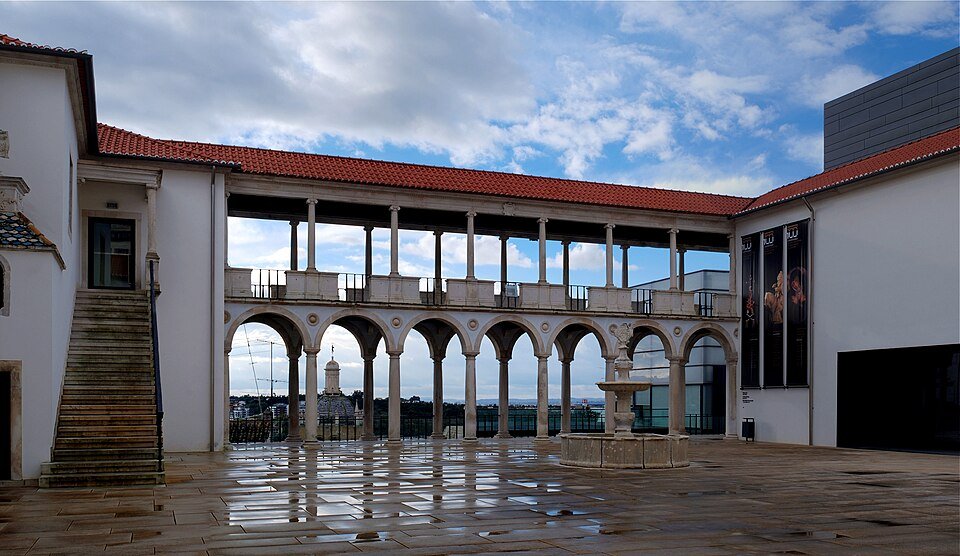
Explore art and the remarkable Roman cryptoporticus beneath the museum. Check the spaces included and access arrangements before visiting.
The museum joins the former bishop’s palace to a Roman cryptoporticus that supported the forum of ancient Aeminium. Its collections include medieval and Renaissance sculpture from Coimbra’s religious institutions, alongside painting, textiles and precious metalwork. The building’s layers explain why both archaeology and fine art are central to its identity.
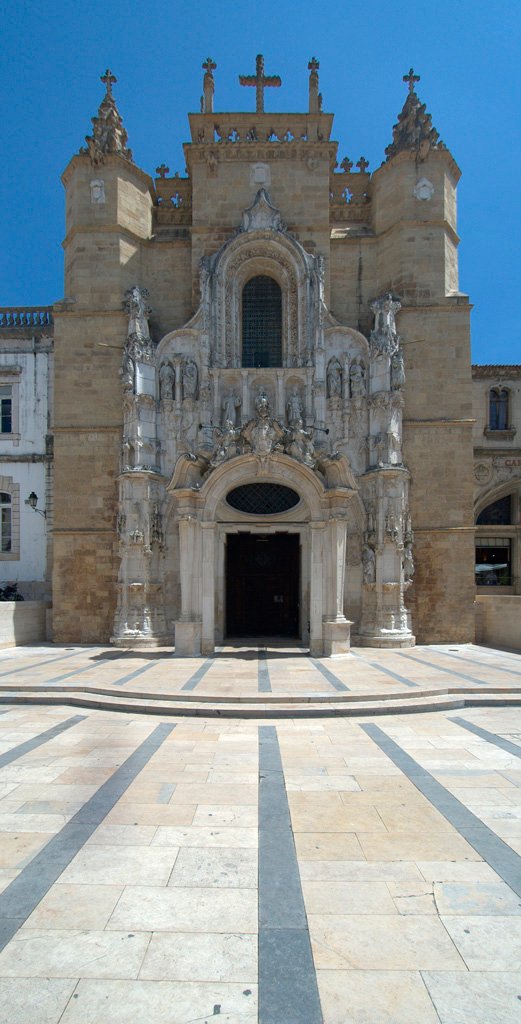
Step into the monastery church associated with Portugal’s early kings. Religious use and ticketed areas may have different arrangements.
Founded in 1131 for Augustinian canons, Santa Cruz became an influential centre of learning and royal patronage. Sixteenth-century rebuilding transformed much of the earlier Romanesque monastery. The facing tombs of Afonso Henriques and Sancho I combine late Gothic stonework with Manueline decoration, giving the church a direct connection to the kingdom’s founders.
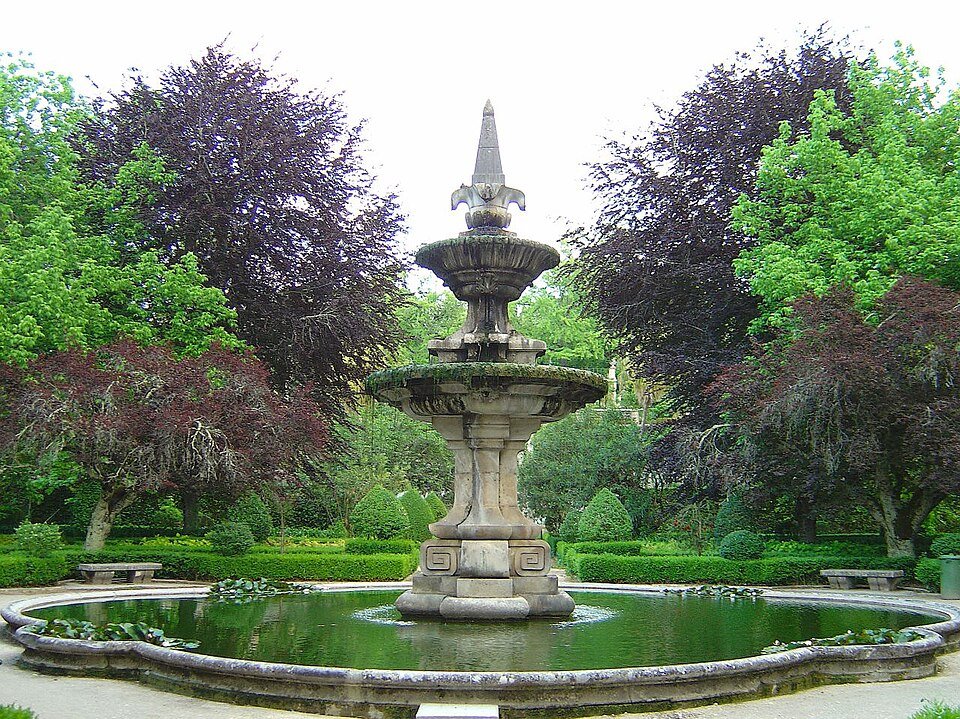
Enlarge photoFountain and planting in the University of Coimbra Botanical Garden. Photo: Vitor Oliveira · Wikimedia Commons · CC BY 2.0. Cropped for display.
Botanical Garden
Trade steep lanes for a green pause within the university’s botanical landscape. Follow current open routes and check arrangements for particular garden areas.
Created in 1772 as part of the university’s scientific development, the garden extends over terraces and woodland towards the Mondego. Its Central Square was completed in 1791. Botanical collections, greenhouses and teaching beds show that this is a working landscape for plant study and conservation as well as a place of shade.
Reserve the university circuit, especially the Joanina Library, before fixing the rest of the day. Check conditions for performances rather than assuming every advertised fado evening follows the same format.
With children & at your own pace
Plan the hilltop university first, then a garden or river break. Younger visitors may prefer one distinctive museum space to a full sequence of long interiors.
Access & getting around comfortably
The upper town is steep. Use a transfer to reduce the climb and ask individual venues about lifts and the accessible entrance.
Season & conditions
University dates and holidays affect the atmosphere. Reserve key interiors, and carry a rain option for river walks.
Eat & drink
A LOCAL DINING OPTION
Arcadas, Quinta das Lágrimas
A restaurant within the historic garden estate, for a meal planned in advance. Ask about the current dining format and reservations.
Fewer than 15 rooms? Contact the hotel directly. 15 rooms or more?Ask ATA for low group rates → We use existing agreements where available and negotiate for your group when needed. We respond within 48 hours, allowing for worldwide time zones.
Getting here & local help
Plan the last part too
Long-distance rail passengers should check Coimbra-B and the current final transfer into town. Do not assume the old Coimbra-A rail connection is running. Confirm CP and Metro Mondego arrangements before departure.
Use the official resource below for local information, current visitor arrangements and tourism contacts. For a specific attraction or booking, contact its operator directly.
Written for ATA, published October 25, 2026. Official resources are linked beside the subjects they support. A live source link is not a guarantee that conditions will remain unchanged.
Coimbra: Coimbra and the Mondego river. Photo: Leandro Neumann Ciuffo · Wikimedia Commons · CC BY 2.0. Cropped for display.