
DIRECT ACCOMMODATION CONTACT
Hotel Horacio Quiroga
A thermal resort about 15 km outside Salto; confirm transport and the exact accommodation package.
Parque del Lago, Salto Grande, near Salto, Uruguay
Uruguay · A closer look
Salto’s cultural life and river setting offer two ways into the city’s history. The theatre grew from local civic initiative, while the coast remains a place of recreation and movement along the Río Uruguay. Historic photographs and present-day views should be read as different moments in that evolving urban setting.
A western river city and gateway to separately located thermal resorts.
 Enlarge photoEnlarge photo
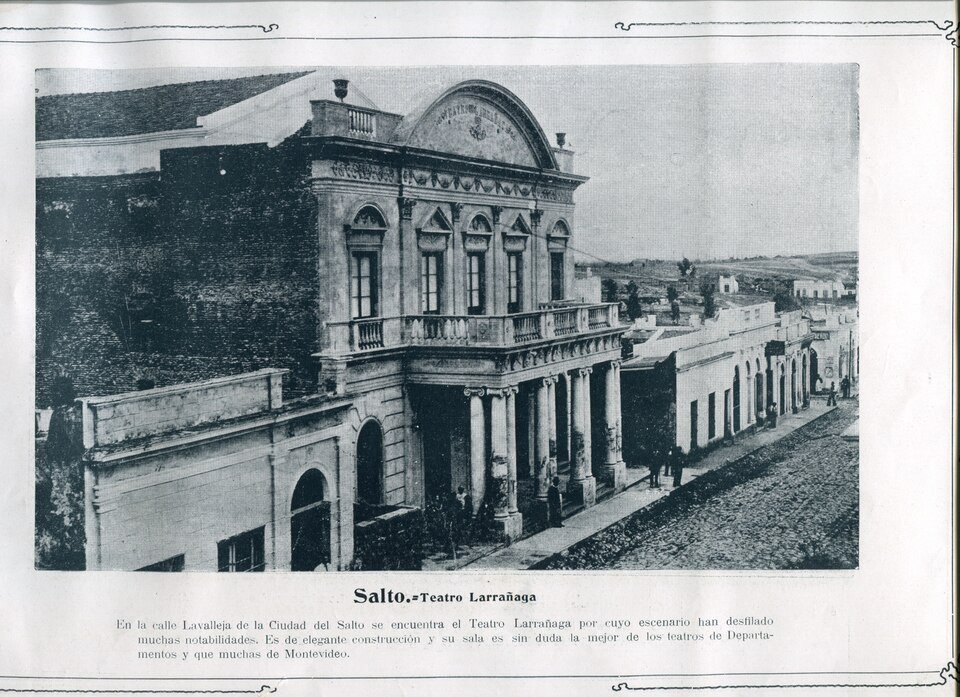
The theatre opened in 1882 after local residents financed its construction through the purchase of shares. Its auditorium and performance history made it an important cultural institution. Major remodelling in 1947 changed the façade, foyer and stalls, so an early photograph does not show the building exactly as it stands today. Municipal ownership followed in 1953, extending the public dimension of its history.
Official heritage & visitor information
 Enlarge photo
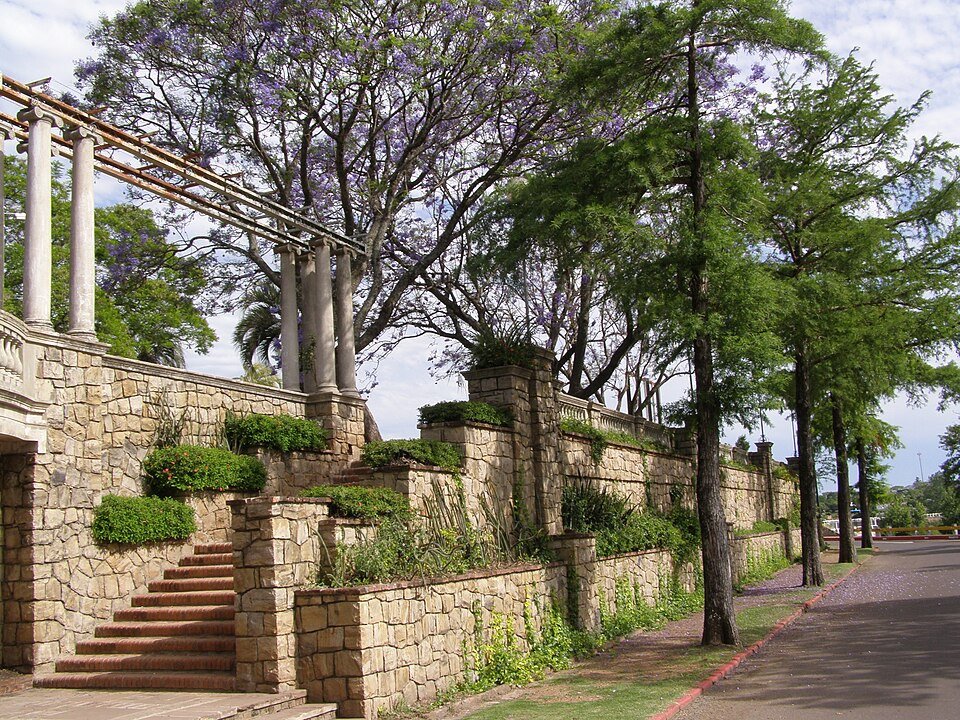
Salto’s riverfront provides a different scale from its civic buildings. The Costanera Norte links recreation areas along the Río Uruguay, including the Ayuí landscape and places used for rowing and riverside leisure. The route reflects the river’s continuing place in daily life. An image of the port belongs to that broader waterfront context and should not be mistaken for a photograph of every section of the northern promenade.
Choose one main outing for each day and leave time for meals and the journey back. Confirm access, transport and any guided arrangements before setting out.
Sources reviewed 28 October 2026. Opening, access, availability and services can change.
A place to put down your bags
Public business contacts are provided for your convenience. Ask the property about current availability, rates, access and arrangements for your party. Inclusion does not establish ATA membership.
DIRECT ACCOMMODATION CONTACT
A thermal resort about 15 km outside Salto; confirm transport and the exact accommodation package.
Parque del Lago, Salto Grande, near Salto, UruguayPlanning for a group? Confirm dates, room counts, meals and transport directly. Ask about ATA’s hotel reservation & information service →