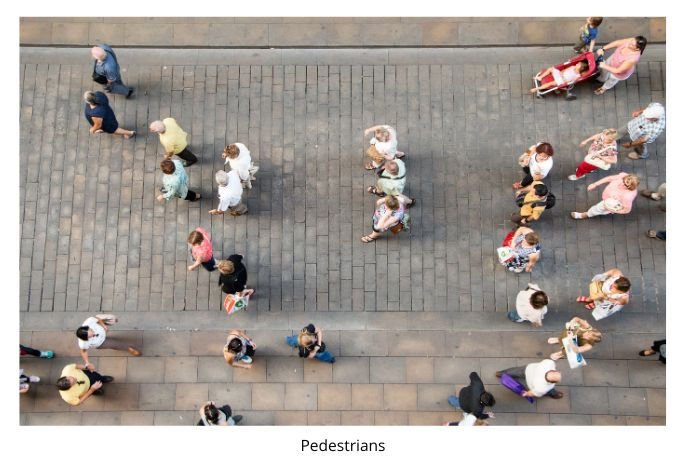
In the United States and Canada, regulations for pedestrians can vary by city
and state or province. It is recommended that pedestrians, regardless of
location, obey all traffic signals and signs, use sidewalks when available, and
cross streets at designated crosswalks whenever possible.
In both countries, pedestrians generally have the right of way in marked and
unmarked crosswalks, though it's always important for pedestrians to ensure it
is safe before stepping into the road.
Below are some general regulations for pedestrians in the United States and
Canada:
**United States:**
1. Pedestrians should always use sidewalks when they are available.
2. If there is no sidewalk, pedestrians should walk on the side of the road
facing traffic.
3. At intersections, pedestrians have the right of way in most situations.
4. In most states, it's illegal to cross the street outside of a crosswalk when
one is available (known as jaywalking).
5. Some cities have additional laws, such as prohibitions on walking while using
a mobile device.
6. Pedestrians are also usually required to obey traffic signals.
**Canada:**
1. Similar to the U.S., pedestrians in Canada should use sidewalks when they are
available.
2. When there is no sidewalk, pedestrians should walk on the side of the road
facing oncoming traffic.
3. Pedestrians usually have the right of way at marked crosswalks and
intersections.
4. Jaywalking is typically discouraged, but the laws and enforcement vary by
province or municipality.
5. Some areas have restrictions on walking while using a mobile device.
6. Pedestrians should follow any pedestrian signals at traffic lights.
Remember, it's crucial to be aware of local laws and regulations, as these can
vary significantly. For example, some areas may have strict laws against
jaywalking, while others may not enforce such rules. Always be alert and
cautious when walking, especially in areas with heavy traffic.
Home | States/Provinces | Subjects