Introduction
**Joshua Tree National Park:
A Desert Wilderness**
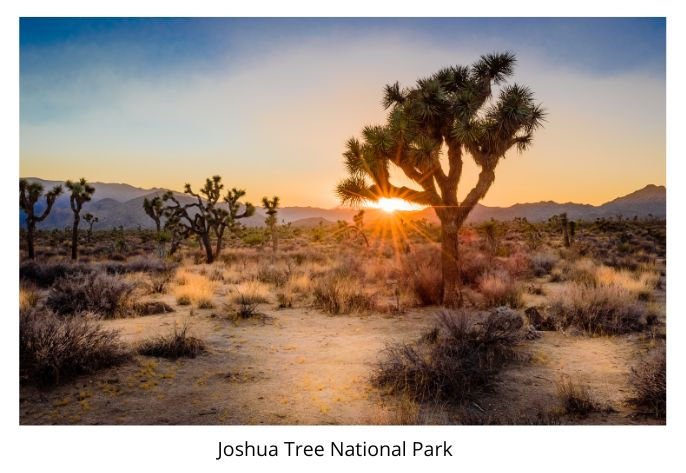
Joshua Tree National Park, located in southern California off I-10, is a vast
desert wilderness known for its dramatic landscapes. The park, named for the
Joshua trees that populate its terrain, is an enchanting mix of two distinct
desert ecosystems: the Mojave and the Colorado.
History
**A Crossroads of Cultures and Geologies**
The area of Joshua Tree National Park has been inhabited by humans for at least
5,000 years, starting with the Pinto Culture, followed by Native American
tribes, cattlemen, miners, and homesteaders. The unique blend of desert
geologies was designated a national park in 1994.
Unique Features
**Land of Twisted Trees and Rocky Formations**
Joshua Tree National Park's most iconic feature is the Joshua tree itself, a
unique species of yucca. Other key features include the park's surreal geologic
formations, such as the Wonderland of Rocks and the rock piles of Hidden Valley.
Biodiversity
**Survival and Adaptation in the Desert**
Despite the harsh desert conditions, the park hosts a variety of wildlife,
including coyotes, bighorn sheep, and numerous bird species. The park's flora
and fauna have adapted remarkably to the desert environment, making it a
fascinating place for the study of desert ecology.
Recreational Activities
**Adventures in the Desert Expanse**
Visitors to Joshua Tree can engage in a multitude of recreational activities.
Hiking trails of varying difficulties, rock climbing routes, and horseback
riding paths offer plenty of adventure. At night, the park's isolation and lack
of light pollution provide exceptional stargazing opportunities.
Conservation Efforts
**Protecting a Delicate Ecosystem**
Conservation is a key focus in Joshua Tree National Park, with efforts to
protect and maintain its fragile desert ecosystems, conserve water resources,
and preserve the park's distinctive Joshua trees, which face threats due to
climate change.
Cultural Significance
**A Connection to the Past and Present**
Joshua Tree holds deep cultural significance. For indigenous cultures, the land
was a crucial resource, and their rock art and pottery can still be found in the
park. More recently, the park has been a haven for artists and musicians, who
draw inspiration from its stark beauty and solitude. Today, it stands as a
symbol of conservation and a testament to the unique beauty of the desert
wilderness.
Nearby Attractions
**Palm Springs**
Located just an hour from the park, Palm Springs is a desert resort city known
for its hot springs, stylish hotels, golf courses, and mid-century modern
architecture. The Palm Springs Aerial Tramway offers stunning views of the
region from its mountain peak terminus.
**Salton Sea**
South of the park, the Salton Sea is one of the world's largest inland seas and
one of the lowest spots on earth. Once a bustling resort area in the mid-20th
century, it's now a fascinating, if somewhat eerie, destination for its unique
history and abundant birdlife.
**Coachella
Valley Preserve**
The Coachella Valley Preserve is a protected area of desert wetlands, offering
miles of hiking trails. The preserve is an excellent place to see fan palms and
a range of desert wildlife.
**Pioneer town**
Originally built as a movie set in the 1940s, Pioneer town aims to recreate the
look of an Old West town. Today, it's a fun and quirky destination with shops,
restaurants, and the famous Pappy & Harriet's Pioneer town Palace, a well-known
music venue.
**Integratron**
Located in Landers, California, the Integratron is a unique structure built by
George Van Tassel who claimed to have been inspired by aliens and Nikola Tesla's
science. It's known for its sound baths — relaxing sessions accompanied by sound
from quartz bowls.
These attractions, each with their own unique offerings, make for excellent day
trips or extensions to a Joshua Tree National Park visit, enriching the
experience of the region's varied landscapes and cultural highlights.
Home | States/Provinces | Subjects