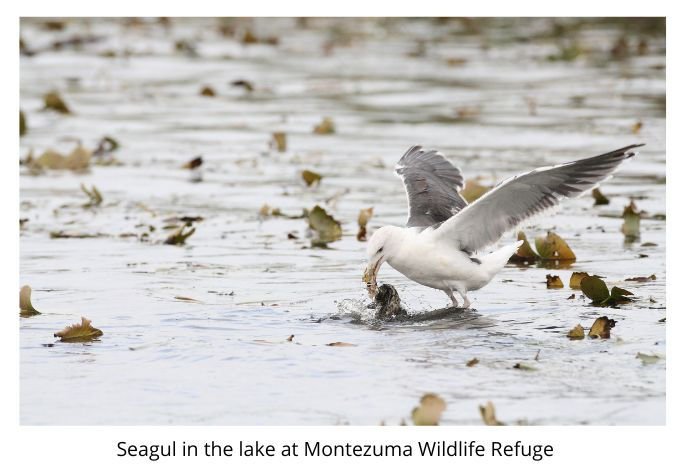
Welcome to the United States National Wildlife Refuges - a vast network of lands
and waters dedicated to the conservation of America's most valuable natural
resources: its diverse wildlife. Encompassing more than 850 million acres, over
560 refuges, and 38 wetland management districts, the National Wildlife Refuge
System is a testament to the country's commitment to preserving its rich
biodiversity and providing the public with unique opportunities to connect with
nature.
Each refuge within the system tells a different story and offers a distinct
experience. Whether it's the iconic alligators of Florida's Everglades National
Wildlife Refuge, the immense bird colonies of Alaska's Kilauea Point National
Wildlife Refuge, or the expansive bison herds of Montana's Charles M. Russell
National Wildlife Refuge, every visit promises a unique encounter with the
country's diverse fauna and flora.
One of the most famed refuges is the Pelican Island National Wildlife Refuge in
Florida, recognized as the first wildlife refuge in the United States.
Established in 1903 by President Theodore Roosevelt, it became the cornerstone
of an effort to protect and preserve habitats for birds threatened by plume
hunting. Visit https://www.fws.gov/refuge/Pelican_Island/ to discover the
refuge's fascinating history and current conservation efforts.
In the far north, the Arctic National Wildlife Refuge in Alaska offers a
pristine and largely untouched wilderness. With a diverse array of habitats,
from coastal lagoons to high peaks, it's home to caribou, polar bears, and over
200 species of birds. This refuge represents an epic journey for any wildlife or
outdoor enthusiast. Learn more about this icy paradise at
https://www.fws.gov/refuge/arctic/.
In the Southwestern desert, Bosque del Apache National Wildlife Refuge in New
Mexico offers a unique spectacle: tens of thousands of snow geese and sandhill
cranes gather here each winter, creating a cacophony of sound and an
unforgettable sight. Plan your birdwatching trip at
https://www.fws.gov/refuge/bosque_del_apache/.
Additionally, many of the refuges within the system offer a wide range of
recreational activities, from bird watching and wildlife photography to hiking,
fishing, and hunting. Some refuges even offer environmental education programs
and volunteer opportunities, allowing visitors to contribute to wildlife
conservation efforts.
The National Wildlife Refuges of the United States are much more than protected
areas for wildlife. They are where we witness the power and beauty of nature,
where we learn about the importance of conservation, and where we understand
that each species, no matter how small, has a crucial role in the intricate web
of life.
Discover more about the United States National Wildlife Refuge System and plan
your next wildlife adventure at
https://www.fws.gov/refuges/. Experience the thrill of wild nature - after
all, these refuges are a testament to the truth that wildlife needs wilderness,
and we need both.
Home | States/Provinces | Subjects