Arkansas is a state located in the southern region of the United States. Here's
a brief overview of the history of Arkansas:
Pre-European Settlement:
The area that is now Arkansas has a long history of human habitation dating back
thousands of years. Native American tribes, including the Caddo, Osage, and
Quapaw, inhabited the region before European explorers arrived.
European Exploration and Early Settlement:
In 1541, the Spanish explorer Hernando de Soto became the first recorded
European to visit the region. However, European settlement did not occur until
the late 17th century when French explorers established trading posts along the
Mississippi River.
French and Spanish Rule:
France claimed the region as part of its Louisiana Territory in the early 18th
century. The French ceded the territory to Spain in 1762 after the Seven Years'
War, but it was later returned to France in 1800. In 1803, the United States
purchased the Louisiana Territory, which included present-day Arkansas, from
France as part of the Louisiana Purchase.
Territory of Arkansas:
Arkansas became part of the Missouri Territory in 1812 and was designated as the
Arkansas Territory in 1819. The capital was initially located in Arkansas Post
but was later moved to Little Rock in 1821.
Statehood and Antebellum Era:
Arkansas was admitted to the Union as the 25th state on June 15, 1836. During
the antebellum era, Arkansas relied heavily on agriculture, particularly cotton,
and slavery was an integral part of the state's economy. Arkansas seceded from
the Union in 1861 and joined the Confederate States of America during the
American Civil War.
 Reconstruction and Post-Civil War:
Following the Civil War, Arkansas went through the period of Reconstruction,
which involved efforts to rebuild and reintegrate the state into the Union. The
state faced social and economic challenges during this time.
Industrialization and Modern Era:
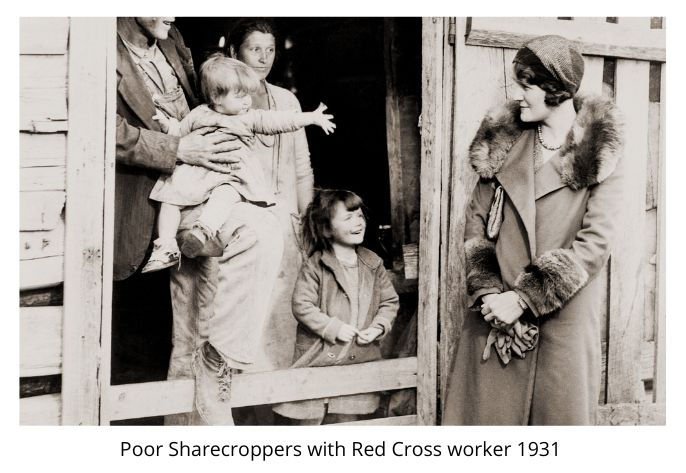
In the late 19th and early 20th centuries, Arkansas experienced significant
industrial growth. The timber industry thrived, and the discovery of oil in the
1920s brought economic prosperity to the state. However, Arkansas also faced
challenges such as poverty and racial tensions.
Civil Rights Movement and Recent History:
During the 1950s and 1960s, Arkansas became a focal point of the Civil Rights
Movement. The Little Rock Nine, a group of African American students, faced
opposition and protests when they attempted to integrate Little Rock Central
High School in 1957. This event garnered national attention.
In recent years, Arkansas has continued to develop economically and diversify
its industries. The state is known for its natural beauty, including the Ozark
Mountains and the Hot Springs National Park. Agriculture, manufacturing, and
services sectors play a vital role in the state's economy.
This overview provides a general understanding of Arkansas's history, but there
are many more details and significant events that shaped the state over time.
Image: None.
Text: "Arkansas: Land of Opportunity".
The Natural State.
Little Rock: January high 50F, July high 93F.