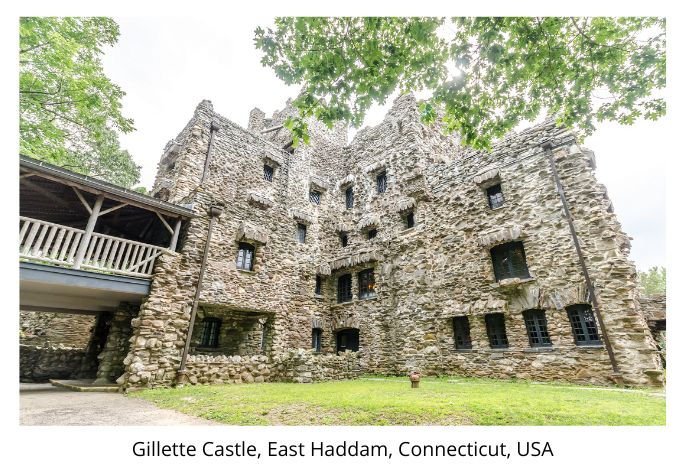
Connecticut, located in the New England region of the United States, has a rich
and diverse history that dates back thousands of years. Here's an overview of
the history of Connecticut:
Native American Settlements: Prior to European colonization, Connecticut was
inhabited by several Native American tribes, including the Mohegan, Pequot, and
Niantic tribes. These tribes lived off the land, engaging in hunting, fishing,
and agriculture.
European Exploration and Settlement: The first European to explore the area was
Dutch navigator Adriaen Block in 1614. In 1633, English settlers from the
Massachusetts Bay Colony established a trading post and fortification at
Windsor. Over time, additional English settlements were established, including
Hartford, Wethersfield, and New Haven.
Colonial Era: Connecticut was one of the original thirteen colonies and played a
significant role in the American Revolutionary War. The Fundamental Orders of
Connecticut, adopted in 1639, is often considered one of the first written
constitutions, establishing a democratic government.
Industrialization and Maritime Trade: In the 19th century, Connecticut
experienced rapid industrialization, particularly in the manufacturing sector.
The state became a major producer of firearms, clocks, textiles, and other
goods. Cities such as Hartford, New Haven, and Bridgeport flourished as
industrial centers.
Abolitionism and Underground Railroad: Connecticut was an active participant in
the abolitionist movement to end slavery. Prominent figures like Harriet Beecher
Stowe, author of "Uncle Tom's Cabin," and Prudence Crandall, an educator who
opened a school for African American girls, contributed to the abolitionist
cause. The state also served as a stop on the Underground Railroad, aiding
escaped slaves on their journey to freedom.
Innovation and Invention: Connecticut has a long history of innovation and
invention. The state is known as the birthplace of the American industrial
revolution and was a hub for manufacturing and technological advancements.
Notable inventions from Connecticut include the first submarine (Holland
Submarine), the Colt revolver, the sewing machine, and the first practical
helicopter.
Modern Connecticut: Today, Connecticut is recognized for its thriving economy,
education system, and cultural offerings. The state is home to prestigious
universities such as Yale University and Wesleyan University. It also boasts
beautiful coastal towns, picturesque countryside, and a vibrant arts scene.
Connecticut's history is preserved and celebrated through its numerous
historical sites, museums, and landmarks. Visitors can explore places like
Mystic Seaport Museum, the Mark Twain House, and the Mashantucket Pequot Museum
to delve deeper into the state's past.
Note: This overview provides a brief summary of Connecticut's history, and there
are many more significant events and details that could be explored in further
depth.