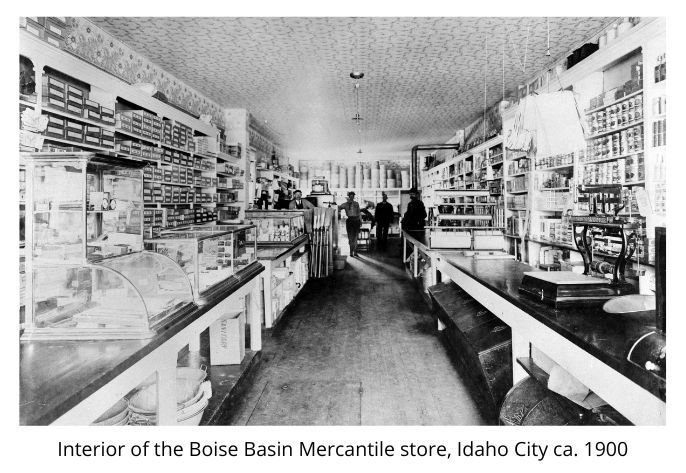
The history of Idaho, a state located in the northwestern United States, is a
tale that includes Native American cultures, European exploration and
settlement, the gold rush era, and the development of agriculture and industry.
Here is an overview of the significant historical events and periods that have
shaped Idaho's past:
1. Native American Presence: Prior to European contact, various Native American
tribes inhabited the region that is now Idaho. These included the Shoshone, Nez
Perce, Bannock, and Coeur d'Alene tribes, who had established thriving cultures
and relied on the land's resources for their livelihoods.
2. Lewis and Clark Expedition: In 1805, the Lewis and Clark Expedition,
commissioned by President Thomas Jefferson, explored the region, crossing
through present-day Idaho. They encountered and interacted with several Native
American tribes along their journey.
3. Fur Trade and European Settlement: In the early 19th century, fur trappers
and traders from European and American backgrounds ventured into Idaho,
establishing trading posts and developing relationships with Native American
tribes. This era marked the beginning of sustained European presence in the
region.
4. Gold Rush Era: The discovery of gold in Idaho in the 1860s brought a
significant influx of settlers to the area. The subsequent gold rush led to the
rapid growth of mining towns, such as Idaho City, Silver City, and Custer.
Thousands of miners and prospectors flocked to Idaho in search of fortune.
5. Statehood and Agricultural Development: Idaho became a territory in 1863 and
achieved statehood in 1890. The development of agriculture, particularly potato
farming, played a significant role in the state's economy. Idaho's fertile soil,
favorable climate, and irrigation projects supported the growth of crops,
including wheat, sugar beets, and dairy products.
6. World Wars and Industrialization: Idaho's economy experienced further growth
and diversification during the 20th century. The state contributed to the war
efforts during World Wars I and II, and industrialization expanded with the
development of manufacturing, lumber, and mining industries.
7. Modern Developments and Outdoor Recreation: Today, Idaho is known for its
abundant natural beauty, including vast forests, scenic mountains, and
picturesque lakes. The state's outdoor recreational opportunities attract
visitors from around the world for activities such as hiking, camping, fishing,
and skiing. Additionally, Idaho is home to a growing high-tech sector and is
recognized for its research institutions and technology companies.
Please note that this is a condensed overview, and Idaho's history encompasses
many more significant events, individuals, and cultural developments. Exploring
further resources and engaging with local historical sites can provide a more
comprehensive understanding of Idaho's fascinating past.
In the extreme north Idaho is less than fifty miles across.
Image: Mountains in the background, trees in the foreground.
Text: "Scenic Idaho - Famous Potatoes". The farms of southern Idaho are famous for producing huge volumes of large and tasty potatoes.