The history of Montana, known as the "Treasure State," is as
vast and diverse as its stunning landscapes. From the native tribes that first
inhabited the area to the explorers, pioneers, and innovators who shaped its
development, Montana's story is a compelling narrative of resilience, discovery,
and transformation.
Before European contact, Montana was home to a number of Native American tribes,
including the Crow, Cheyenne, Blackfeet, and Flathead. These tribes thrived in
Montana's diverse ecosystems, from the plains in the east to the mountains in
the west, creating complex societies and rich cultural traditions.
The Lewis and Clark Expedition in 1804-1806 marked the first recorded
exploration by people of European descent. This expedition, commissioned by
President Thomas Jefferson, traversed Montana's varied landscapes and documented
its diverse flora and fauna, opening the area to further exploration and
eventual settlement.
The discovery of gold in the mid-19th century ignited a rush of miners and
settlers into Montana, transforming the region economically and socially. Towns
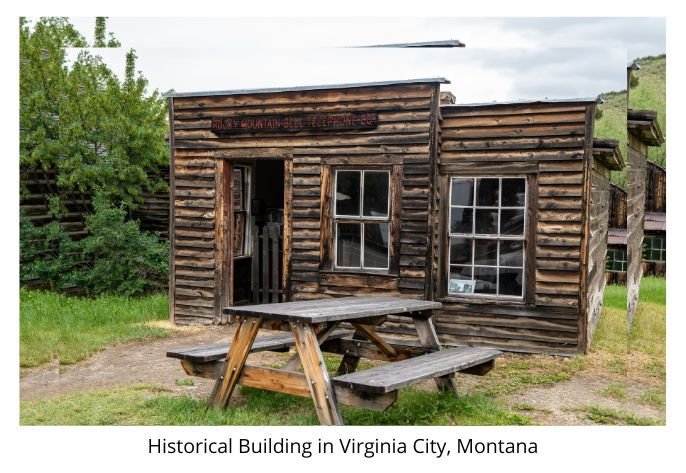
sprang up almost overnight, such as Bannack and Virginia City, and Montana's
population grew rapidly.
Despite the influx of settlers, conflicts between them and Native American
tribes escalated, leading to several tragic events, including the Battle of the
Little Bighorn in 1876, a significant confrontation between the U.S. Army and
allied Lakota, Northern Cheyenne, and Arapaho tribes.
In 1889, Montana was granted statehood, becoming the 41st state of the Union.
With statehood came new challenges and opportunities. The arrival of railroads,
such as the Northern Pacific, facilitated the transportation of goods and
people, fostering the growth of cattle ranching and wheat farming.
The early 20th century brought more changes, as Montana's economy evolved from a
reliance on mining and agriculture to a more diversified mix, including oil
production, lumber, and tourism. The establishment of Glacier National Park in
1910 and the subsequent establishment of Yellowstone National Park positioned
Montana as a major destination for natural beauty and outdoor recreation.
The latter half of the 20th century was marked by periods of boom and bust, tied
to the cyclical nature of resource extraction industries. Despite these
challenges, Montana continued to evolve, with increased investment in technology
and services sectors in recent years.
Throughout its history, Montana has been a place of cultural significance. From
the enduring heritage of its Native American tribes to its role in the Wild West
era, and the contributions of writers and artists like Charlie Russell and
Richard Hugo, Montana's cultural tapestry is as rich as its natural beauty.
In tracing the history of Montana, one encounters a narrative of resilience and
transformation, deeply rooted in its native cultures and etched into its
awe-inspiring landscapes. As we look towards the future, the lessons of the past
serve as guides, reminding us of the enduring spirit and potential that
characterizes the Treasure State.
Images: An orange outline mountain range at the top, and a faint outline of the state map over the lower section.
Text: "Montana - Big Sky".
This may come from the state's gold and silver mines, a theory reinforced by the state's motto: "Oro Y Plata" - Spanish for "Gold and Silver".
Kalispell: January high 27F, July high 81F.
Home | States/Provinces | Subjects