
 The history of North Carolina, known as the "Tar Heel State,"
is a rich tapestry woven from the threads of indigenous cultures, European
colonization, rebellion and revolution, and the ceaseless pursuit of progress
and identity. From the early Native American tribes to the pioneers of today's
technology industry, this narrative underscores the resilience and dynamism that
characterizes North Carolina.
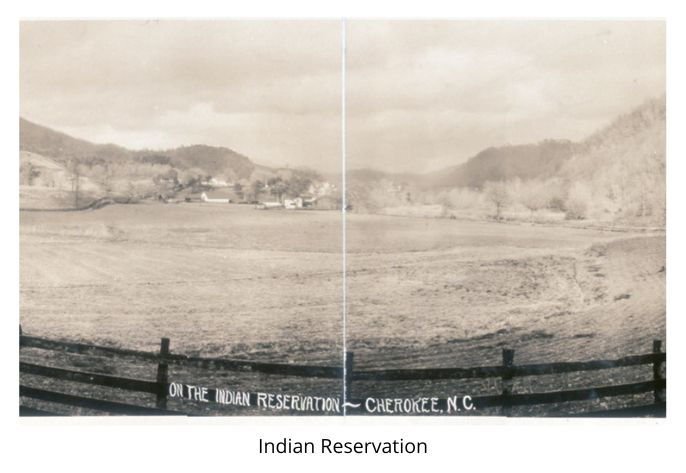
The story of North Carolina begins with its first inhabitants, including the
Cherokee, Catawba, and Tuscarora tribes. These indigenous peoples thrived,
living in harmony with the land and establishing complex societies long before
the arrival of Europeans.
The first recorded European exploration of the region was by Spanish expedition
leader Juan Pardo in the 1560s. However, it was the English who established the
first permanent settlement, albeit a failed one, known as the "Lost Colony" of
Roanoke in 1587.
North Carolina became one of the original thirteen English colonies in the late
17th century. The region's fertile soil and natural harbors facilitated the
growth of an agrarian economy, initially reliant on tobacco and later expanding
to include cotton and rice.
In 1729, North Carolina was officially separated from South Carolina and became
a royal colony. The state played an active role in the lead-up to the American
Revolution, hosting the first provincial congress in the colonies and producing
the Halifax Resolves, which was a forerunner to the Declaration of Independence.
Following the Revolutionary War, North Carolina joined the Union as the 12th
state in 1789. Throughout the 19th century, the state's economy and society
continued to evolve. The invention of the cotton gin transformed agriculture,
and industries such as textiles and furniture manufacturing began to develop.
North Carolina seceded from the Union in 1861, joining the Confederacy during
the Civil War. The state contributed a significant number of troops and
resources to the Southern cause, despite divisions within its population over
the issue of slavery.
In the post-war Reconstruction era, North Carolina experienced considerable
economic and social change. The late 19th and early 20th centuries witnessed the
expansion of industry and commerce, with tobacco, textiles, and furniture
driving economic growth.
Throughout the 20th century, North Carolina continued to evolve and diversify.
The establishment of the Research Triangle Park in 1959 was a significant
turning point, marking the state's transition into a leader in technology,
research, and education.
Today, North Carolina is known for its diverse economy and rich cultural
heritage. It's home to world-class universities, thriving industries, and a
vibrant arts scene. The state's history, like its landscapes, is varied and
beautiful, reflecting the resilience and innovation of its people.
The story of North Carolina, much like its famous lighthouses, serves as a
beacon illuminating the past, guiding the present, and shedding light on the
future. It's a testament to the enduring spirit and potential that make North
Carolina truly remarkable.
Image: An early biplane (a reference to the Wright Brothers first powered flight at Kitty Hawk, North Carolina).
Text: "First in Flight - North Carolina".
The Old North State (rarely used).
Raleigh: January high 51F, July high 88F.
Home | States/Provinces | Subjects