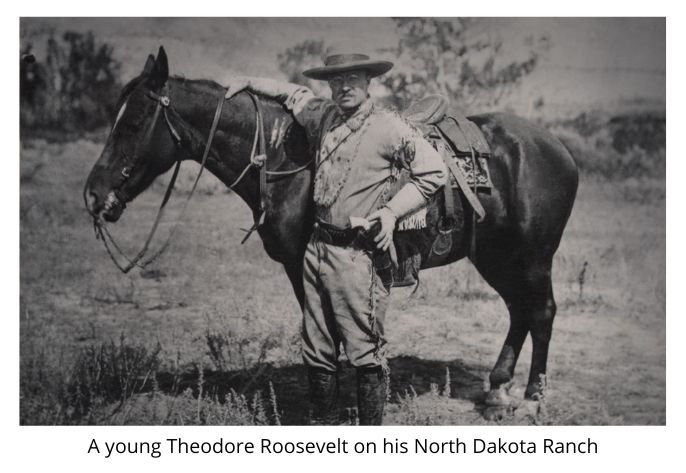
Journey Through Time: The History of North Dakota
North Dakota, the "Peace Garden State," carries a history as vast and diverse as
its rolling prairies and fertile farmlands. This narrative of transformation
unfolds from the earliest indigenous cultures, through European exploration and
settlement, to its place in the modern American mosaic.
The first chapters of North Dakota's history are painted with the stories of its
indigenous peoples. The Mandan, Hidatsa, and Arikara tribes, known as the Three
Affiliated Tribes, along with the Dakota and Lakota peoples, thrived on this
land for thousands of years, deeply intertwined with the seasons and the bounty
of the earth.
European contact began in the 18th century, with explorers such as Pierre
Gaultier de Varennes, sieur de La Vérendrye, traversing the region. However, it
was the Lewis and Clark Expedition from 1804-1806 that marked a significant
shift. Their exploration of the Missouri River and encounters with local tribes
opened the door for increased European activity and settlement.
The fur trade, largely operated by French and British traders, became an
essential part of the regional economy during the 18th and 19th centuries.
Trading posts sprang up along the major waterways, fostering complex networks of
commerce that brought together European traders and Native American tribes.
With the passage of the Homestead Act of 1862, North Dakota underwent a dramatic
shift. This act offered free land to settlers willing to cultivate it, sparking
a rush of European immigrants, particularly Norwegians, Swedes, and Germans from
Russia, transforming the cultural and physical landscape.
 In 1889, North Dakota was admitted to the Union as the 39th state, heralding a
new era of statehood and governance. The late 19th century was also a time of
significant economic development, with the establishment of railroads promoting
the growth of agriculture, particularly wheat farming.
Throughout the 20th century, North Dakota experienced the booms and busts of an
agrarian economy, with periods of prosperity punctuated by hardships like the
Dust Bowl of the 1930s. Despite these challenges, farming and agriculture
remained central to the state's identity and economy.
In recent years, North Dakota has seen a significant shift in its economic
landscape. The discovery of oil in the Bakken formation has led to an energy
boom, bringing jobs and revenue but also environmental challenges and societal
changes.
North Dakota is a state steeped in the heritage of its native peoples, the
legacy of its settlers, and the dynamic spirit of innovation. From the Standing
Rock Reservation, a focal point for indigenous rights and environmental
activism, to the high-tech research facilities of its universities, North Dakota
encapsulates a unique blend of tradition and progress.
This rich narrative not only defines North Dakota's past but also informs its
present and future. Like the Missouri River that cuts through its heart, the
history of North Dakota is a powerful current that carries the collective memory
and shared destiny of its people.
Image: None.
Text: "Peace Garden State - North Dakota".
Home | States/Provinces | Subjects