Journey Through Time: The History of Nunavut, Canada
Nunavut, Canada's largest and northernmost territory, is a land of stark beauty
and enduring traditions. Its history stretches back thousands of years and is
etched in the icy tundra, towering glaciers, and rugged Arctic landscapes. This
narrative weaves together the deep cultural heritage of the Inuit people,
European exploration, and a remarkable journey towards self-determination.
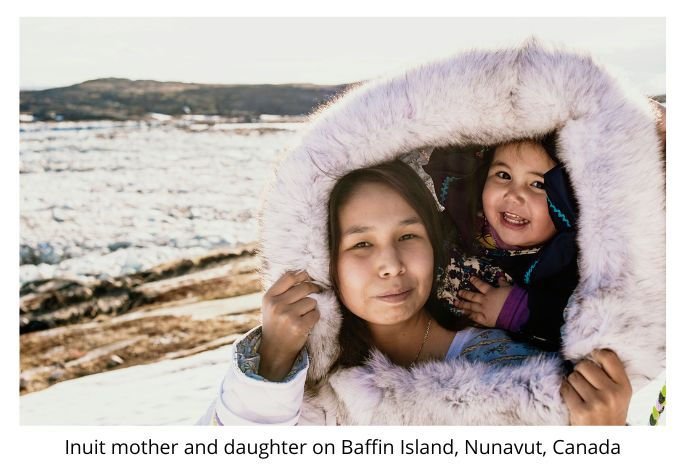
The earliest history of Nunavut is told through the stories of its original
inhabitants, the ancestors of today's Inuit. Archaeological evidence shows that
indigenous peoples have lived in the region now known as Nunavut for over 4,000
years. The Thule people, ancestors of the Inuit, migrated from the west,
adapting to the harsh climate and developing a culture deeply connected to the
land and sea.
The narrative of Nunavut shifted in the 16th century with the arrival of
European explorers, initially in search of the Northwest Passage, a direct
maritime route to Asia. Over the centuries, British and French explorers,
whalers, and fur traders frequented the region. Yet, the remoteness and harsh
climate of Nunavut kept it largely isolated from the rest of Canada.
During the 19th and 20th centuries, contact with outsiders increased, leading to
significant cultural changes and challenges for the Inuit. The establishment of
trading posts, the introduction of Christianity, and the imposition of
government policies affected traditional Inuit ways of life.
The late 20th century marked a period of renaissance and resistance for the
Inuit. Advocacy for Inuit rights led to the negotiation of the Nunavut Land
Claims Agreement, one of the largest Indigenous land claim settlements in
Canadian history. This monumental agreement led to the creation of Nunavut as a
separate territory in 1999, giving the Inuit greater control over their land and
their future.
Today, Nunavut stands as a testament to the resilience and adaptability of the
Inuit people. It is a place where traditional practices such as hunting,
fishing, and throat singing exist alongside modern institutions. The Inuit
language, Inuktitut, remains vibrantly alive, spoken by a majority of the
population.
The creation of Nunavut marked a significant step in Canada's journey towards
reconciliation with its Indigenous peoples. The story of Nunavut is a powerful
reminder of the enduring connection between people and the land, and the
importance of preserving and celebrating Indigenous cultures and
self-determination.
The history of Nunavut, much like the dancing Northern Lights in the night sky
or the timeless migration of the caribou across the tundra, reflects a deep
connection to a land that is as beautiful as it is harsh, and to a culture as
ancient as it is enduring. As Nunavut continues to evolve, its people remain the
heart and soul of its narrative, shaping its present and guiding its future.