Journey Through Time: The History of Vermont
Vermont, a state known for its picturesque landscapes, rural charm, and
independent spirit, holds a unique history that encompasses Native American
settlements, colonial conflicts, the fight for independence, and a legacy of
progressive values. From its early inhabitants to its present-day reputation as
a haven for outdoor enthusiasts and lovers of small-town charm, Vermont's
history is a tapestry of resilience, innovation, and community.
The earliest chapters of Vermont's history are rooted in the presence of
indigenous peoples who inhabited the region for thousands of years. The Abenaki,
Mohican, and Iroquois tribes, among others, established villages along the
rivers and lakes, and relied on the abundant natural resources for their
sustenance and cultural practices.
European exploration and settlement of Vermont began in the 17th century, as
French and English explorers ventured into the area in search of trade routes
and resources. The territory became a point of contention between the French and
the English, with conflicts like the French and Indian War shaping the colonial
landscape.
In the aftermath of the French and Indian War, Vermont became a disputed
territory, claimed by both New York and New Hampshire. The area was known as the
"New Hampshire Grants" and attracted settlers seeking opportunities for land
ownership and farming.
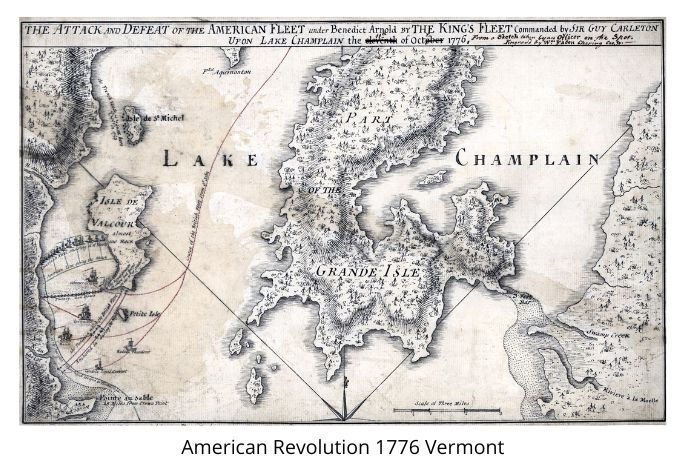
Vermont's independent spirit was demonstrated during the American Revolution. In
1777, the region declared itself an independent republic, becoming known as the
Vermont Republic. The state's constitution, drafted by Thomas Chittenden,
emphasized individual rights and the abolition of slavery, making Vermont the
first state in the United States to do so.
The path to statehood was not without challenges. Vermont faced disputes with
neighboring states, particularly New York, over land claims. It was not until
1791 that Vermont officially became the 14th state in the Union, the first state
admitted after the original thirteen colonies.
Throughout the 19th century, Vermont experienced significant economic and social
changes. Agriculture, particularly dairy farming, became a dominant industry,
and the state's picturesque landscapes attracted tourists and summer residents.
The state's marble quarries also contributed to its economic prosperity, with
Vermont marble used in notable buildings such as the U.S. Capitol and the New
York Public Library.
Vermont has a long history of social activism and progressive values. It was a
hotbed of abolitionist sentiment during the antebellum period, and played a
significant role in the Underground Railroad. Vermont was also a leader in the
early women's suffrage movement, with suffragists such as Lucy Stone advocating
for women's rights.
In the 20th century, Vermont's reputation as a progressive state continued to
grow. It became a center for counterculture movements, with communities like the
town of Brattleboro and the Bread and Puppet Theater fostering a spirit of
creativity and activism. Vermont was also at the forefront of environmental
conservation efforts, with the establishment of the Green Mountain Club and the
creation of the Long Trail, the oldest long-distance hiking trail in the United
States.
Today, Vermont is celebrated for its natural beauty, including its scenic
mountains, idyllic villages, and vibrant fall foliage. It embraces its
agricultural heritage, with farmers' markets and artisanal food products
showcasing the state's commitment to local, sustainable practices. Vermont is
also known for its emphasis on education and the arts, with institutions like
Bennington College and the Vermont Studio Center attracting scholars and artists
from around the world.
The history of Vermont, like the meandering paths of its mountain streams, is a
story of independence, community, and forward-thinking values. It is a testament
to the resilience of its early settlers, the progressiveness of its social
movements, and the enduring spirit of its people. As Vermont moves into the
future, it carries with it the lessons of its past, forging a path that honors
its rich heritage while embracing innovation, sustainability, and a strong sense
of community.
Image: A small green leaf (?).
Text: "Vermont - Green Mountain State".
Home | States/Provinces | Subjects