Nunavut is a territory located in the northernmost part of
Canada. Here's some information about Nunavut:
1. Creation: Nunavut was officially established on April 1, 1999, making it the
newest and largest territory in Canada. It was created as a result of the
Nunavut Land Claims Agreement, which aimed to address the land rights and
self-governance aspirations of the Inuit people.
2. Geography: Nunavut is vast and covers approximately one-fifth of Canada's
total land area. It is located in the Arctic region, bordered by the Northwest
Territoriesto the west and the province of Manitoba to the south. It also
has a significant coastline along the Arctic Ocean and Hudson Bay.
3. Capital and Largest City: The capital of Nunavut is Iqaluit, located on
Baffin Island. It serves as the administrative, cultural, and economic center of
the territory. Iqaluit is home to the Legislative Assembly of Nunavut and
various government offices.
4. Inuit Culture: Nunavut has a predominantly Inuit population, and the Inuit
culture is deeply rooted in the territory. The Inuit people have a rich history
and traditional way of life, including hunting, fishing, and crafting. The
Inuktitut language is widely spoken throughout Nunavut.
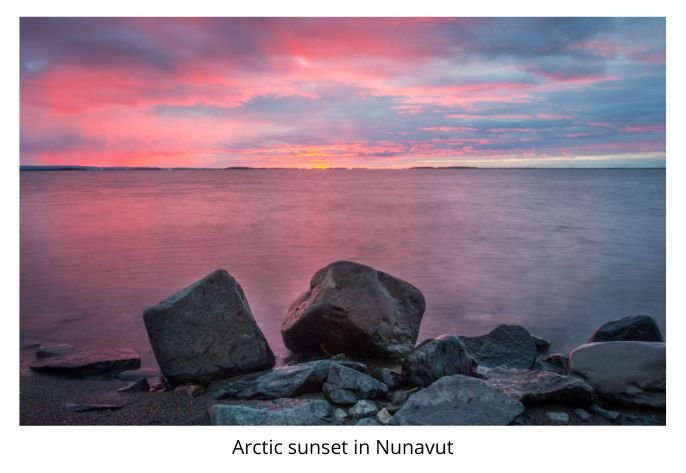
5. Unique Landscapes: Nunavut showcases stunning and diverse natural landscapes,
including vast tundra, towering mountains, deep fjords, glaciers, and ice
fields. The territory is known for its breathtaking wildlife, such as polar
bears, seals, whales, and a variety of bird species.
6. Traditional Knowledge and Conservation: The Inuit in Nunavut have a deep
connection to the land and possess valuable traditional knowledge about the
environment. This knowledge contributes to the conservation efforts in the
region, as Nunavut is home to several national parks and wildlife reserves.
7. Challenges and Opportunities: Nunavut faces unique challenges due to its
remote location, extreme climate, and limited infrastructure. However, the
territory also presents opportunities for economic development, including
mineral resources, tourism, and the potential for sustainable and culturally
sensitive industries.
Nunavut's formation as a distinct territory has allowed the Inuit people to
exercise self-governance, protect their culture, and have a greater say in the
management of their lands. The territory's vast, pristine landscapes and rich
indigenous heritage make it a unique and important part of Canada's northern
region.
In the Inuit language the word Nunavut means "our home".
Home | States/Provinces | Subjects