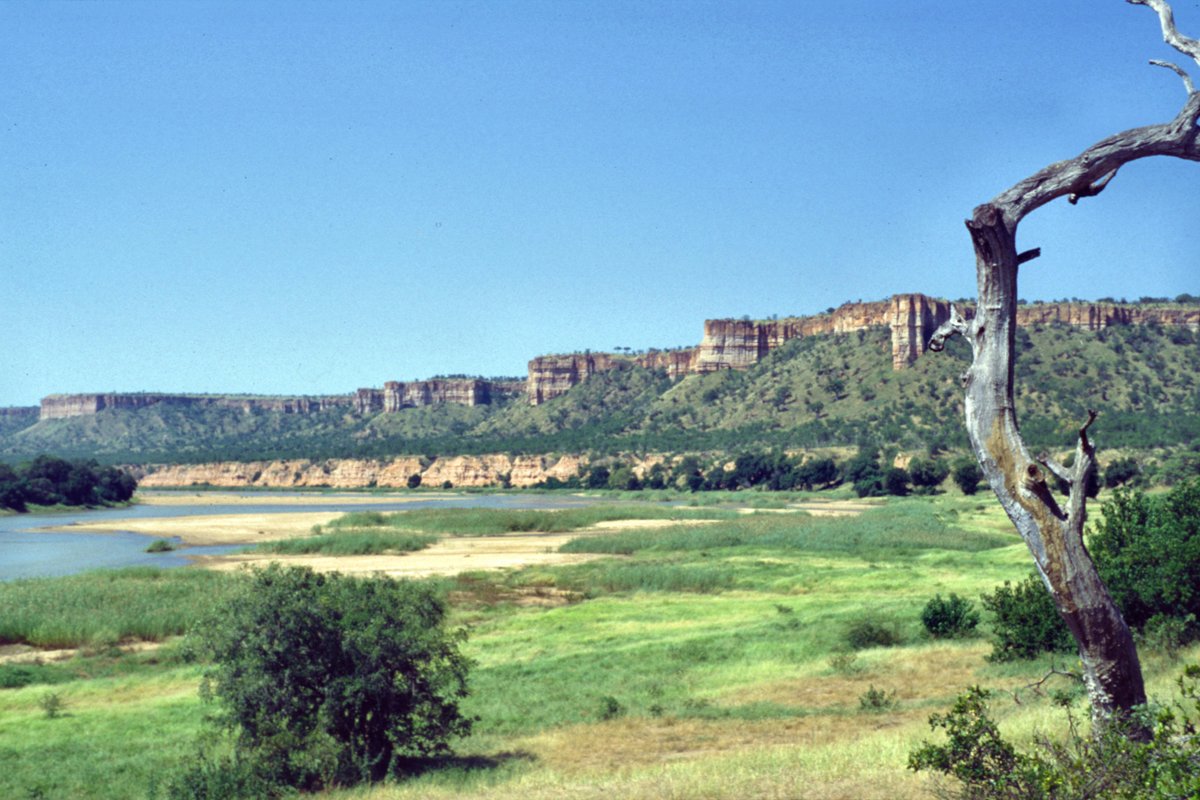
Make time for the people and everyday places that give a journey its character. Listen closely, ask permission and let a meal or a conversation be part of the experience.
Zimbabwe contains many linguistic and cultural communities; Shona and Ndebele are important parts of a much broader picture. Let hosts describe their own background and use local greetings when offered. Avoid treating a country, language or rural community as a single unchanging tradition.
Stone sculpture, painting, textiles and contemporary media offer ways to encounter individual artists and ideas. Visit galleries or identifiable workshops and ask about the maker, materials and provenance. A work’s meaning is best explored through its creator and context rather than a generic label attached for visitors.
Sadza is a common starting point for a meal, with vegetables, beans, meat or other accompaniments depending on household and region. Discuss dietary needs clearly and respectfully. In remote accommodation, meal planning is also practical: confirm what is supplied and what you need to bring before the transfer.
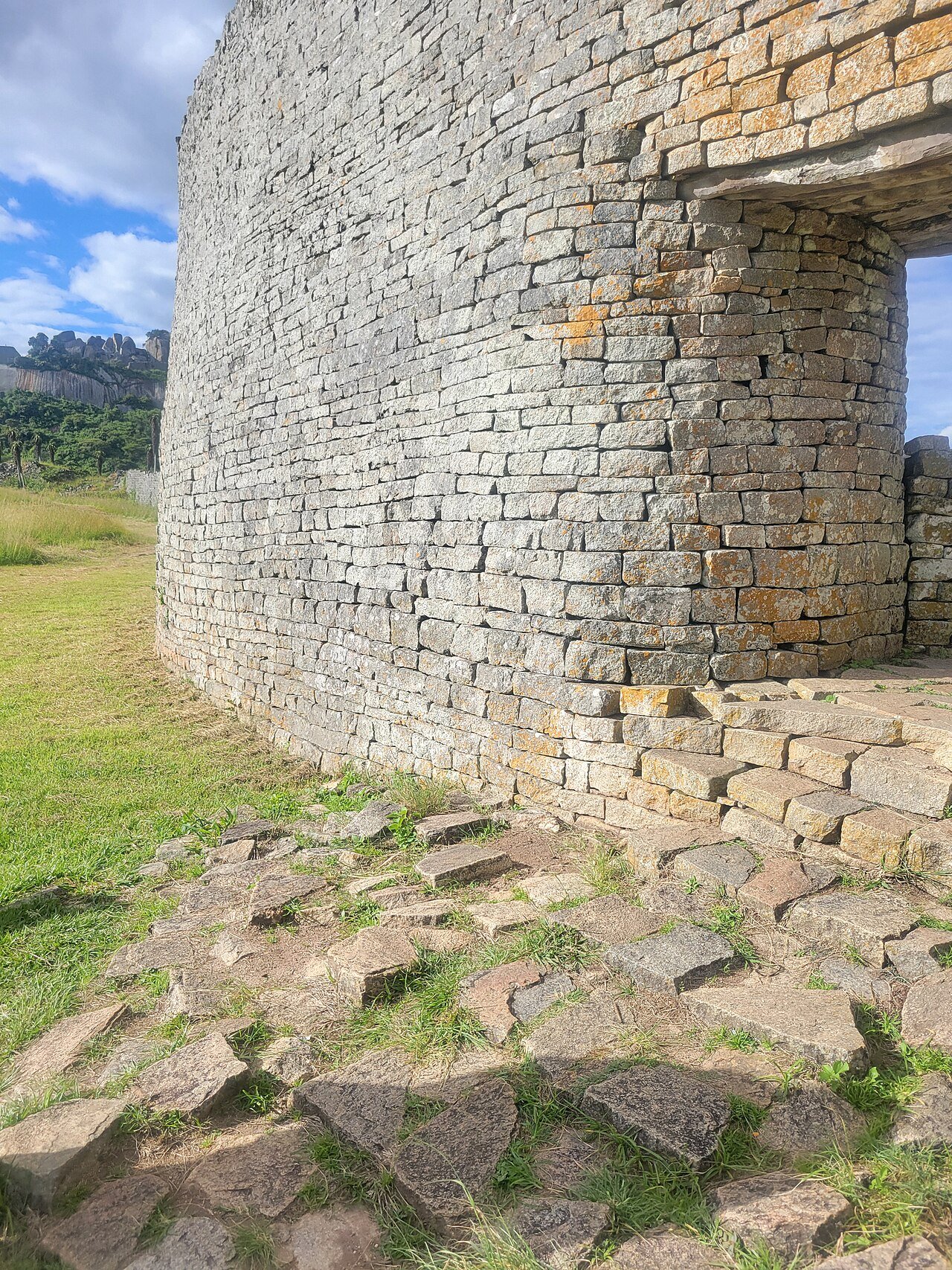
Great Zimbabwe, Khami, colonial-era sites and contemporary cities tell connected but different stories. Use qualified local interpretation and allow time for questions. Sacred landscapes and memorials may have protocols beyond ticketed access. Respect those meanings and ask before photographing ceremonies, residents or restricted places.
Reviewed 12 November 2026. Pacing and base suggestions are ATA editorial choices. Accommodation links are direct enquiry points, not inspected-property endorsements or claims of ATA membership. Confirm current services, access and terms. Photographs are credited beside the images and may show earlier conditions.