Stone lanes, living faiths, and a city that needs time.
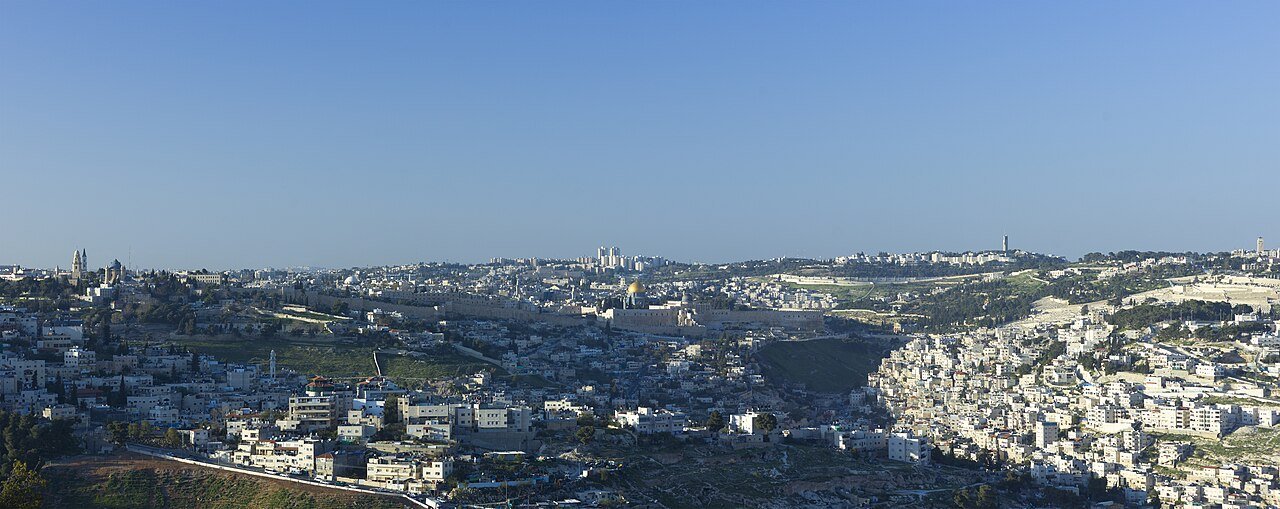
Jerusalem rewards careful attention rather than a hurried circuit of sacred landmarks. Balance the Israel Museum in West Jerusalem with a separately planned Old City visit, leaving time for neighborhood streets and a market meal. The Old City lies in East Jerusalem, occupied by Israel since 1967; its status is disputed. Site access, worship schedules and security measures can change, so check the current route and respect all restrictions.
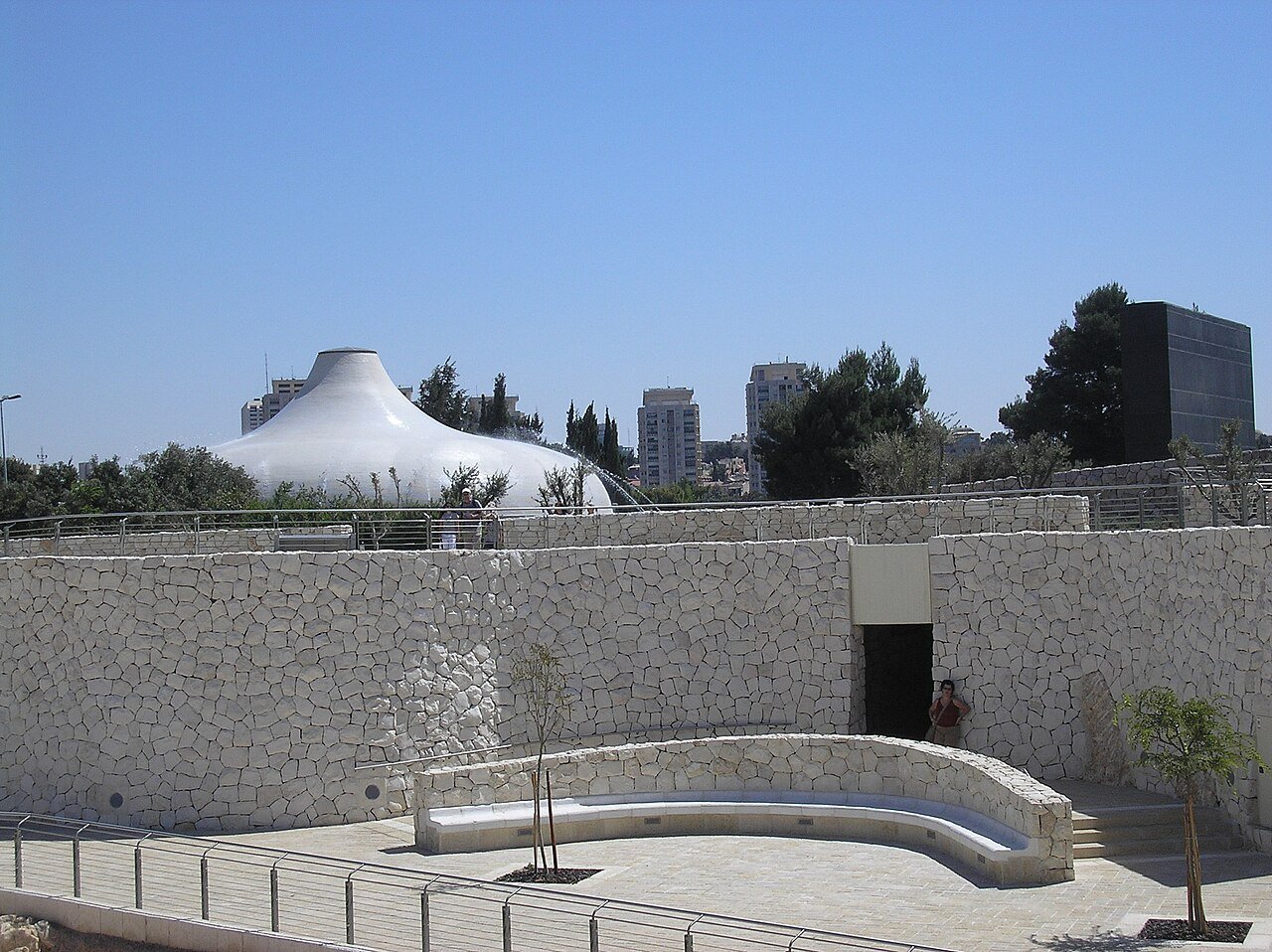
The museum offers a useful way to put objects, manuscripts and artistic traditions into context before or after exploring the city. The Shrine of the Book is especially recognizable for its white dome; its collections connect visitors with the Dead Sea Scrolls and the history of biblical manuscripts. Choose a few galleries that interest you rather than trying to exhaust a large museum in one visit. Use the museum’s current program to decide what is actually on display and allow a separate pause for its outdoor spaces.
Getting here
Travel from central West Jerusalem to the museum entrance on Derech Ruppin. It is a separate journey from the Old City; confirm the bus or taxi drop-off and current entry arrangements.
Site orientation: Israel Museum Jerusalem. Confirm final access locally.
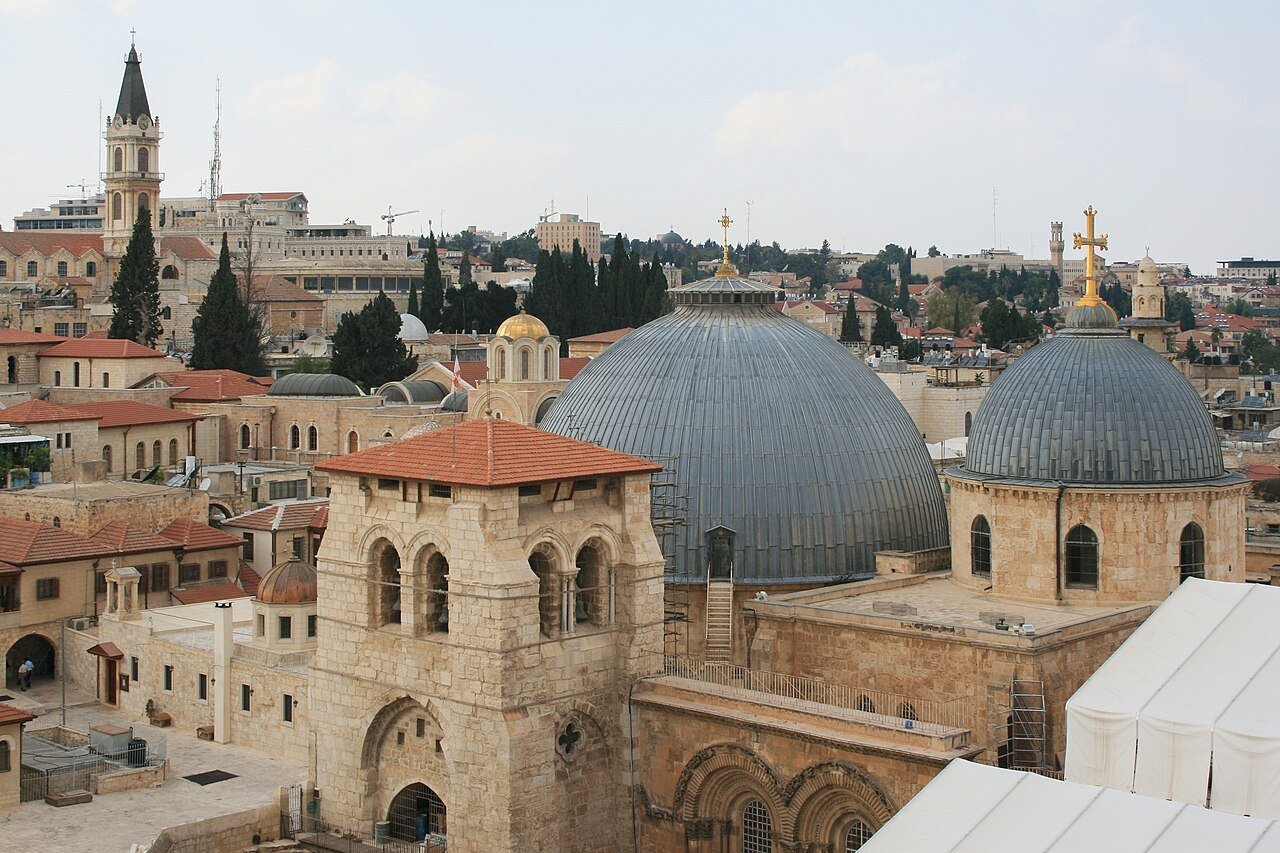
The church is one of Christianity’s most important pilgrimage places, associated by Christian tradition with Jesus’ crucifixion and burial. Its shared religious life, chapels and layered architecture make a slower visit worthwhile. Enter quietly, leave room for worship and follow the custodians’ directions. The surrounding lanes are also workplaces and residential streets. This is an East Jerusalem visit, not evidence of unrestricted access to all other holy sites: the Western Wall and Haram al-Sharif/Temple Mount have separate rules and should never be assumed to share one entrance or permission.
Getting here
Use a currently permitted Old City pedestrian approach, commonly from Jaffa Gate, and confirm conditions locally. Steps and uneven paving can make the route difficult; arrange suitable assistance rather than relying on a map alone.
Site orientation: Church of the Holy Sepulchre Jerusalem. Confirm final access locally.
Give the museum and Old City different parts of the day, preferably different days. Choose an Old City walk with a knowledgeable local guide if you want religious and historical context. Keep the route short enough to accommodate worship, queues, security checks and a return to your base without rushing.
Before you book
Check current opening days and choose a walking route that suits your party. Reserve accommodation and any required transfers before filling the day with optional stops.
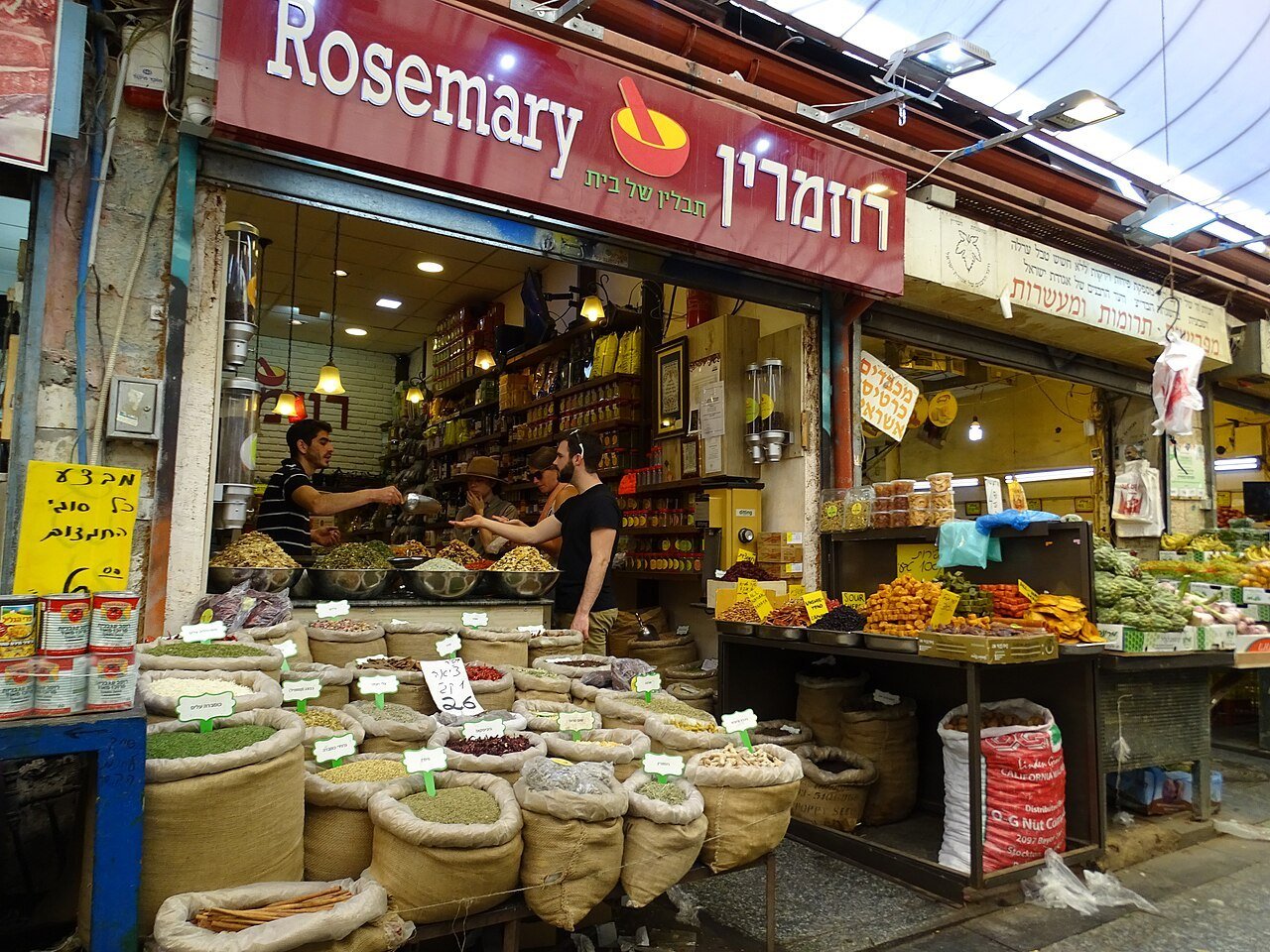
A shop in Mahane Yehuda market. Photograph: 2016.-jkb- · CC BY-SA 3.0 · Display crop.
A market is more than a photo stop
Notice the difference between a working produce stall, a bakery and an evening bar. The market’s rhythm changes across the week. Spend time on one lane, buy something you actually want and let the people serving you decide whether a conversation or photograph is welcome.
Local life, one meal at a time
Eat & drink.
Mahane Yehuda is a useful introduction to the city’s food shops, produce stalls and contemporary eating places. Go with an appetite for a few small purchases rather than a fixed checklist. Friday trading and Shabbat change the atmosphere and opening pattern; ask before photographing staff and check dietary requirements with each kitchen.
Give the meal its own time in the day. Ask what is seasonal and discuss ingredients directly with the kitchen for allergies or dietary requirements. A comfortable pause leaves more attention for the next part of the visit.
A place to put down your bags
Where to stay.
Public business contacts are provided for your convenience. Ask the property about current availability, rates, access and arrangements for your party. Inclusion does not establish ATA membership.
Direct accommodation contact
Dan Boutique Jerusalem
A Jerusalem base near the First Station area; arrange a separate museum or Old City journey.
Jerusalem’s rail arrival, local light rail, museum district and Old City approaches are separate parts of the journey. Check current services, final station exits and hotel arrival instructions. Avoid driving into narrow historic streets; arrange a permitted drop-off and the remaining walk.
Go to the source
Useful information.
Use the operator for its current services, the venue for access arrangements and official advice for travel conditions. Confirm details for your dates before paying.
Reviewed 14 November 2026. Pacing and base suggestions are ATA editorial choices. Accommodation links are direct enquiry points, not inspected-property endorsements or claims of ATA membership. Confirm current services, access and terms. Photographs are credited beside the images and may show earlier conditions.

 Enlarge photo ↗