Make time for the people and everyday places that give a journey its character. Listen closely, ask permission and let a meal or a conversation be part of the experience.
The broad basin of Makhtesh Ramon. Photograph: 2008.Ebfe · Public domain · Display crop.
A CLOSER CONNECTION
Many histories, many present-day lives
A museum label, a religious tradition and a family’s memory may illuminate different aspects of the same place. Jewish and Palestinian Arab communities, along with other groups, have diverse experiences and views. Listen without treating an individual as a spokesperson for everyone. In Jerusalem and Jaffa, acknowledge both sacred significance and continuing neighborhood life. This guide uses geographical names for orientation, not to settle disputed sovereignty.
Hummus, tahini, falafel, breads, grilled vegetables and rice dishes connect the region’s overlapping food traditions. Jewish diaspora cooking adds many other influences, while Palestinian Arab kitchens and local bakeries have their own histories and specialties. Ask a cook about a dish rather than assigning every recipe a single national origin. Kosher and halal practices, vegetarian options and allergy arrangements vary by business; confirm what matters to you directly.
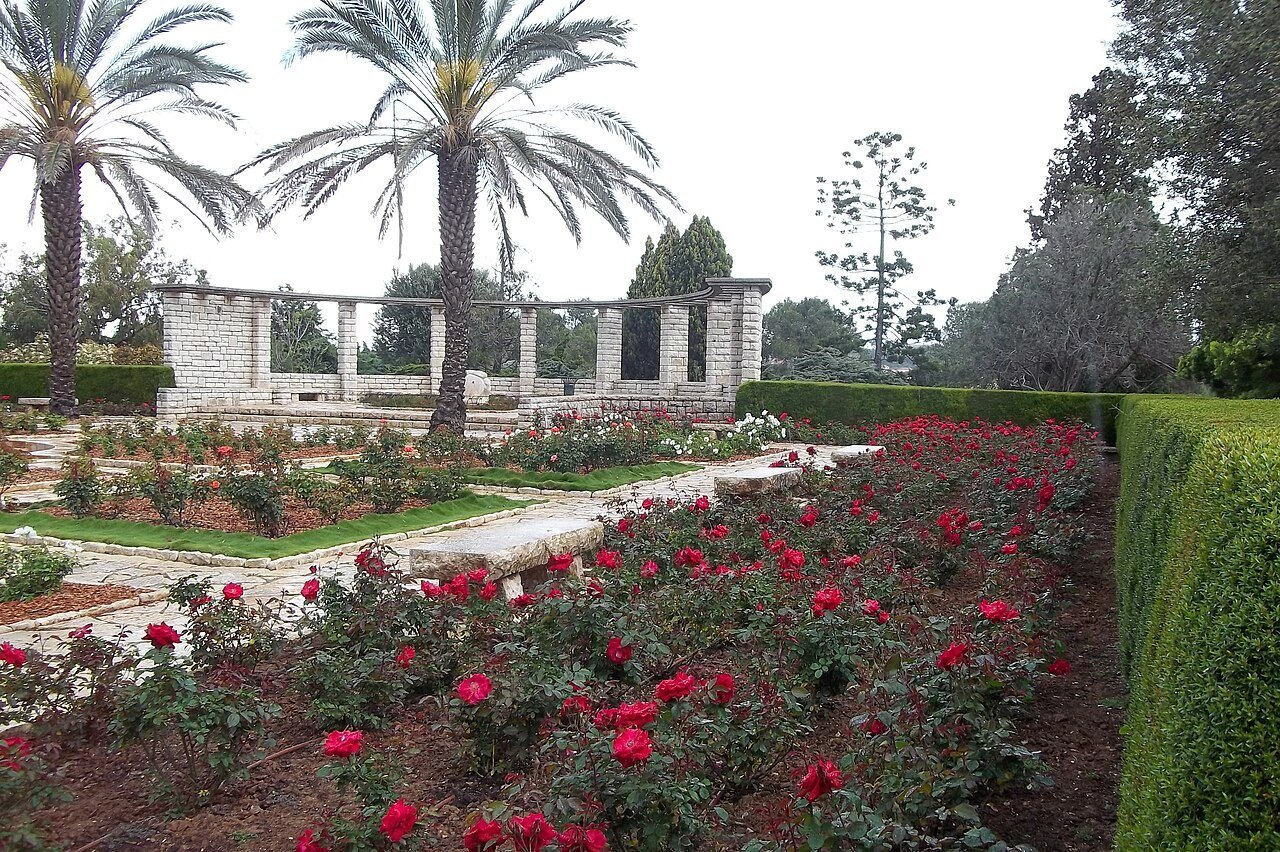
Formal planting in Ramat Hanadiv’s memorial gardens. Photograph: 2011.Daniel Ventura · CC BY-SA 4.0 · Display crop.
A CLOSER CONNECTION
Sacred places are places of worship
Church courtyards, synagogues, mosques and the Bahá’í Gardens serve communities before they serve a visitor’s itinerary. Follow the posted dress code, leave worshippers space and respect photography restrictions. Access can change during services or religious holidays. A respectful visit can mean observing from a permitted public area rather than insisting on entry. Holy-site traditions should be described as beliefs and traditions where historical evidence cannot establish a claim.
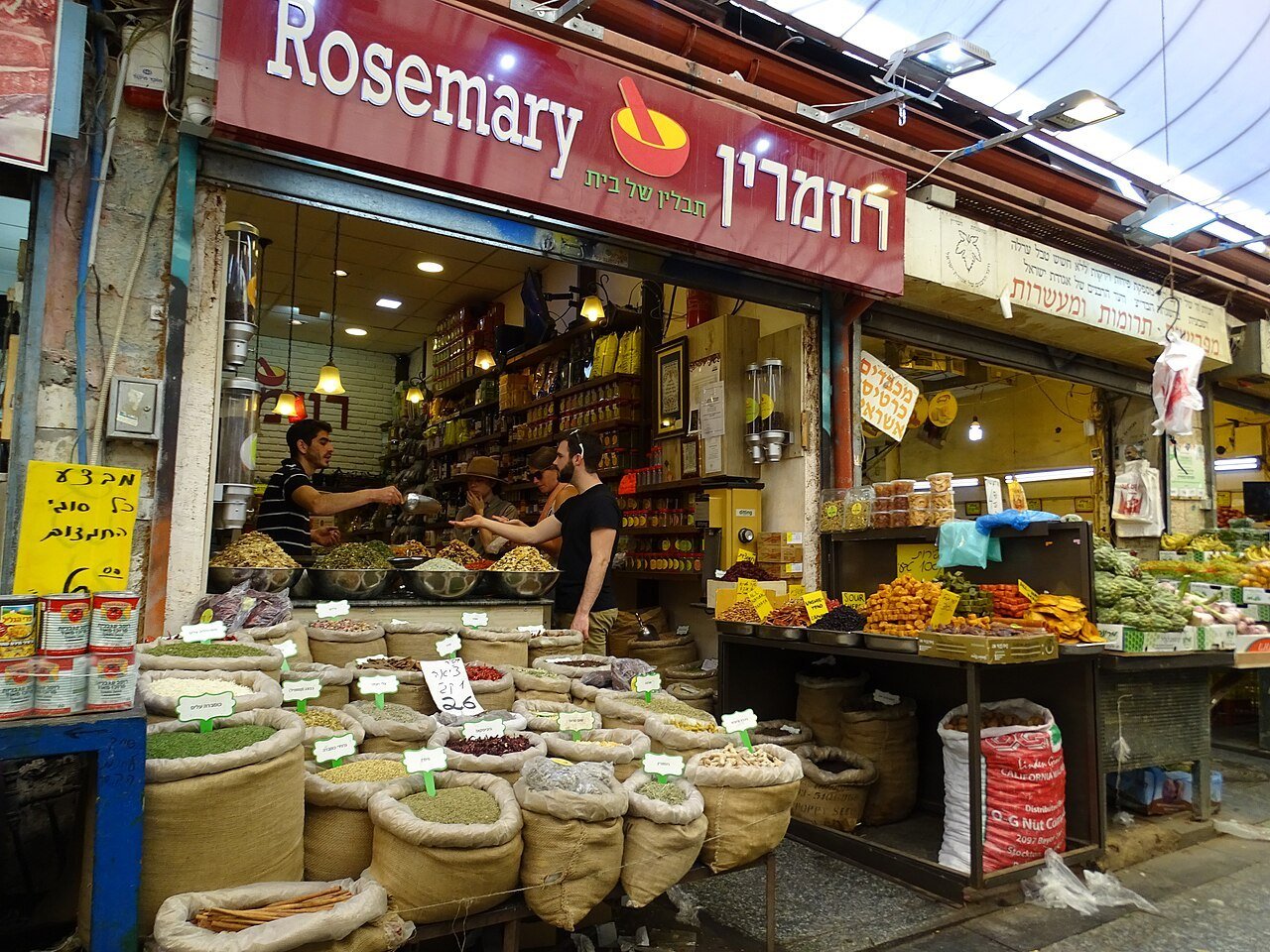
A shop in Mahane Yehuda market. Photograph: 2016.-jkb- · CC BY-SA 3.0 · Display crop.
A CLOSER CONNECTION
Leave time for contemporary culture
Markets, galleries, music and neighborhood cafés bring the journey into the present. Tel Aviv’s architecture is more rewarding with a walk at street level; Beersheba’s art spaces offer a different view of the Negev from the desert lookout. Check current exhibitions and public programs, and pay local guides and makers fairly. Ask before photographing a stallholder or a family. A quiet conversation can add more to a trip than another hurried monument.
Reviewed 14 November 2026. Pacing and base suggestions are ATA editorial choices. Accommodation links are direct enquiry points, not inspected-property endorsements or claims of ATA membership. Confirm current services, access and terms. Photographs are credited beside the images and may show earlier conditions.