
The art of a good journey
IsraelPlan your visit.
Ancient cities, Mediterranean neighborhoods, and desert horizons. Choose your pace. Make the details work for you.
Start shaping your trip ↓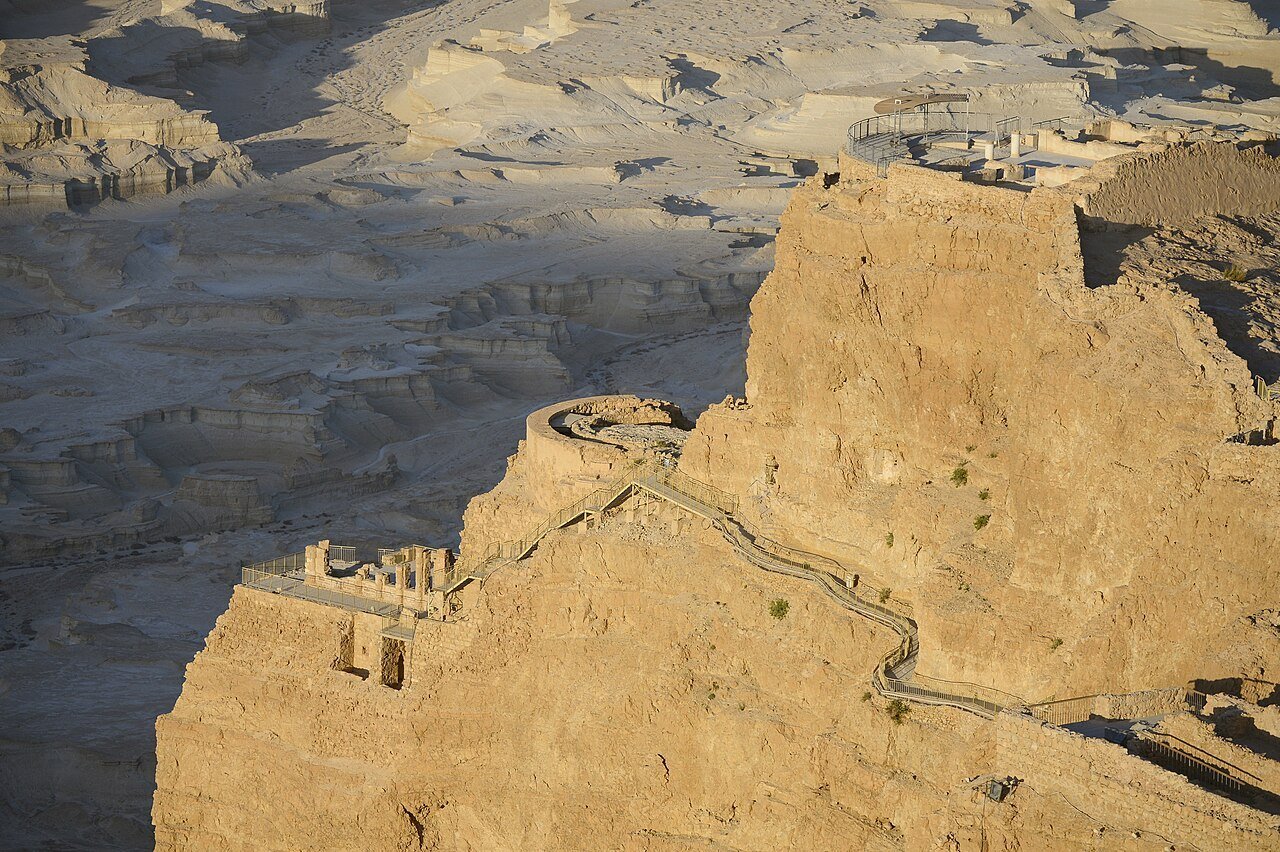
01 / Begin with the bigger picture
Start with advice, then choose a region
The country guide is useful for understanding places and future planning; it does not remove the current U.S. recommendation to reconsider travel. Read the full advisory and its regional map before spending money. If you proceed after assessing your circumstances, choose two or three bases rather than racing between all eleven. Jerusalem and Tel Aviv can support a city-focused visit; the coast, Galilee and the southern desert each require separate time. Keep the last day flexible and confirm insurance explicitly covers your itinerary and the prevailing advice.
The details that make a difference.
A little preparation. More room to enjoy the journey.


02 / Season & pace
Let heat and daylight shape the day
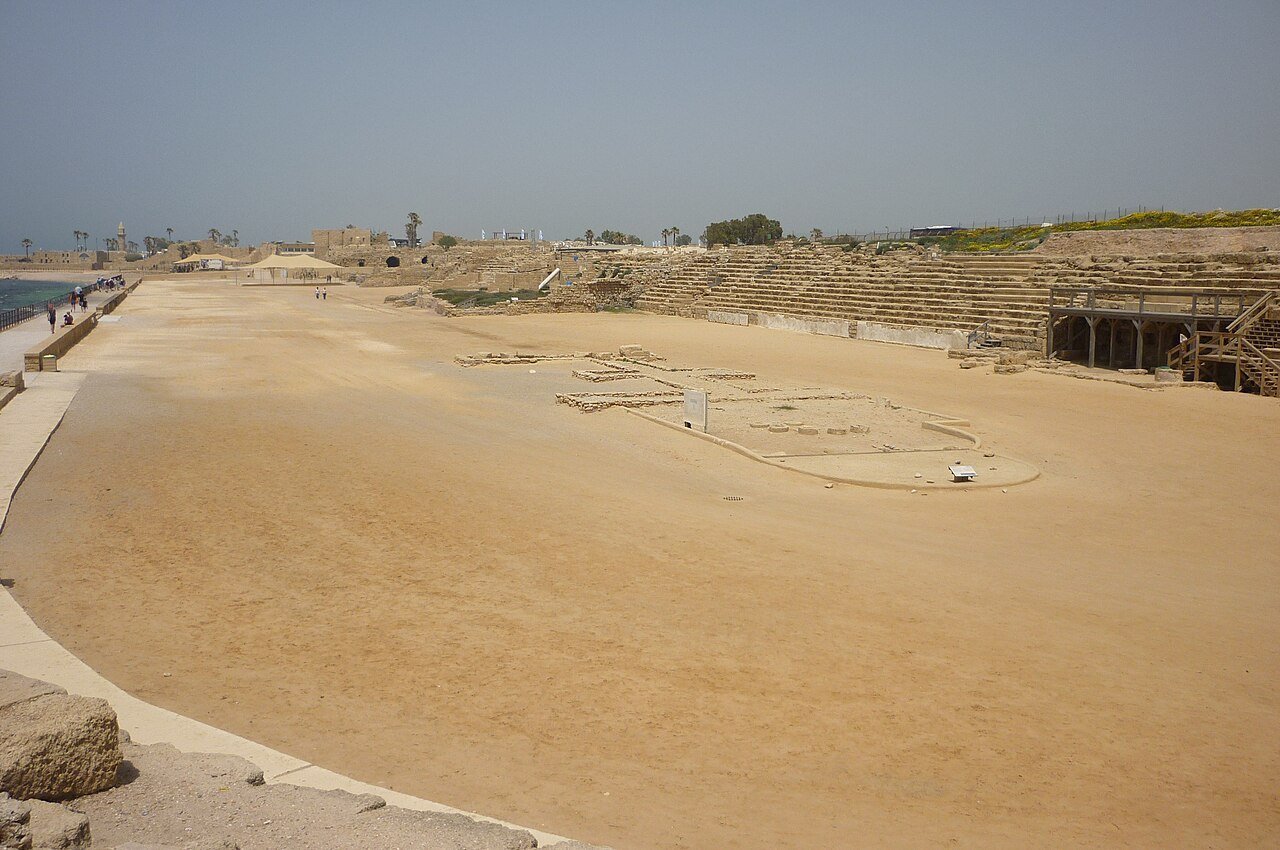
Coastal humidity, Jerusalem’s elevation and desert heat produce very different days. Schedule exposed ruins and outdoor viewpoints for suitable conditions, carry drinking water and follow official heat and flash-flood warnings. Rain upstream can make a dry desert channel dangerous. Winter evenings in the Negev can be cold. Sunrise photographs do not establish legal trail access: opening times, heat closures and ranger instructions govern the actual visit. Use the Meteorological Service and park notices shortly before departure.

03 / Getting around
Check entry and transport separately
Check the official ETA-IL service or visa rules for your nationality, passport and circumstances; an authorization is not a guarantee of admission. Confirm flights with the airline and airport before setting out. Rail and bus service varies by route, Shabbat, religious holidays and security conditions. Many services stop from Friday afternoon until Saturday evening, but local exceptions exist: check the actual operator. For remote sites, reserve the return transfer as well as the outward journey. Avoid automatically accepting navigation routes through restricted areas or border roads.

04 / Where to stay
Ask practical questions before booking
The destination pages provide two named accommodation contacts each. Ask about current operation, cancellation conditions, protected-space access, arrival arrangements and the exact room location. A coastal resort is not necessarily walkable from an archaeological park; an apartment complex may have a different check-in procedure from a hotel. Confirm step-free access directly. Older buildings, steep streets and archaeological surfaces can be difficult even where an area is described as accessible. Do not infer a hotel’s present services from an earlier photograph.

05 / Thoughtful travel
Travel with respect for living communities
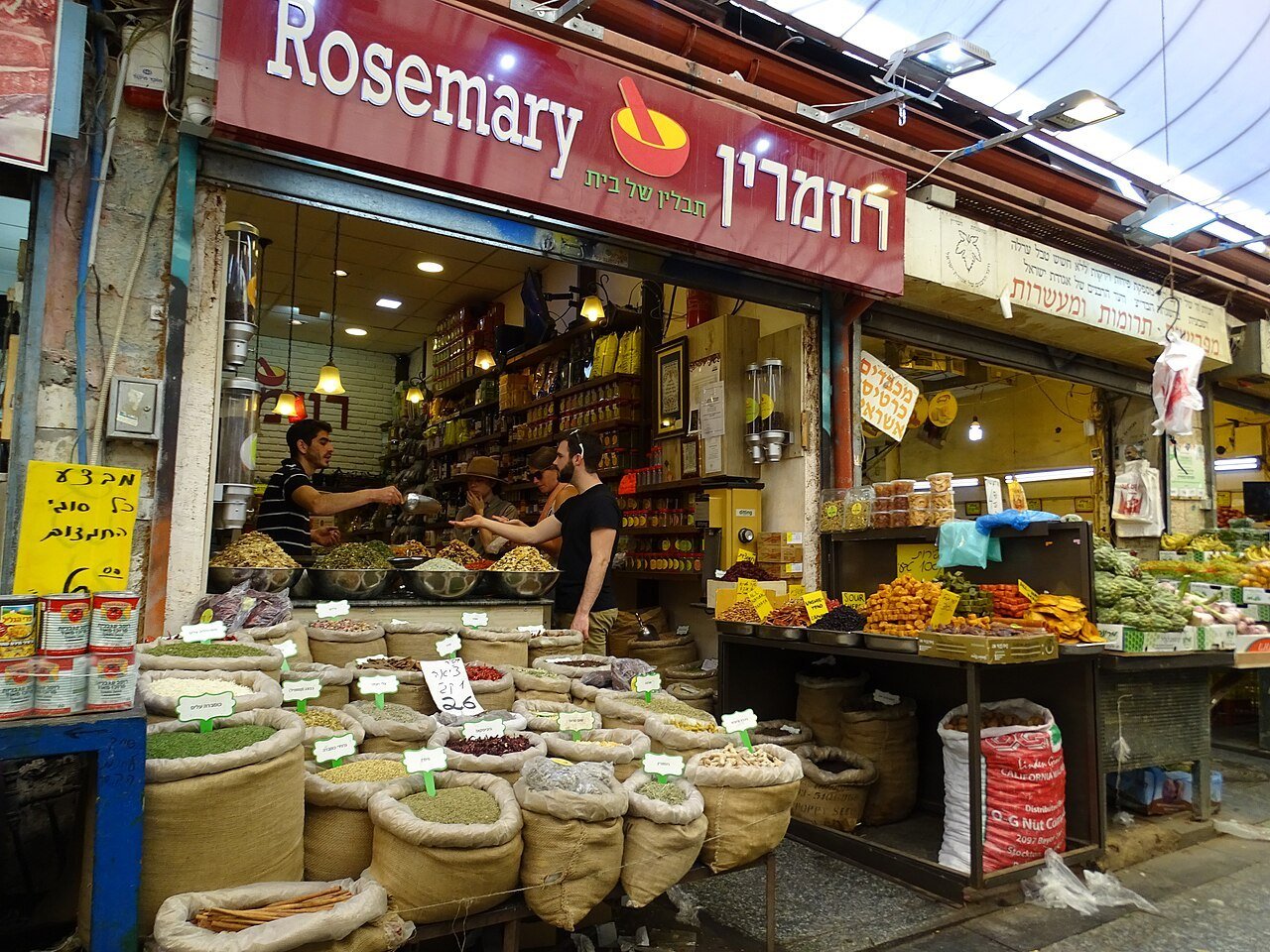
Jewish, Muslim, Christian, Druze, Bahá’í, Bedouin and other communities are not interchangeable. Dress and photography rules vary by place of worship; ask before entering or photographing people. Keep clear of demonstrations, military sites and security operations. Respect beach flags, reef rules and marked paths, and never collect archaeological material. Jerusalem and the Palestinian territories require particular attention to terminology, permissions and local conditions. Choose informed local interpretation and distinguish religious tradition, archaeological evidence and modern political claims.
Find the places that speak to you.
Explore the destination guides, local highlights and places to stay.
Sources, credits & editorial notes
- Current travel advice
- Official visitor background
- U.S. State Department travel advisory
- Israel Nature and Parks Authority
- Entry authorization: official ETA-IL
- Israel Meteorological Service
- Home Front Command
Reviewed 14 November 2026. Pacing and base suggestions are ATA editorial choices. Accommodation links are direct enquiry points, not inspected-property endorsements or claims of ATA membership. Confirm current services, access and terms. Photographs are credited beside the images and may show earlier conditions.