Seychelles · A closer look

Morne Seychellois National Park

Mahé’s green interior offers a different island day from the coast.

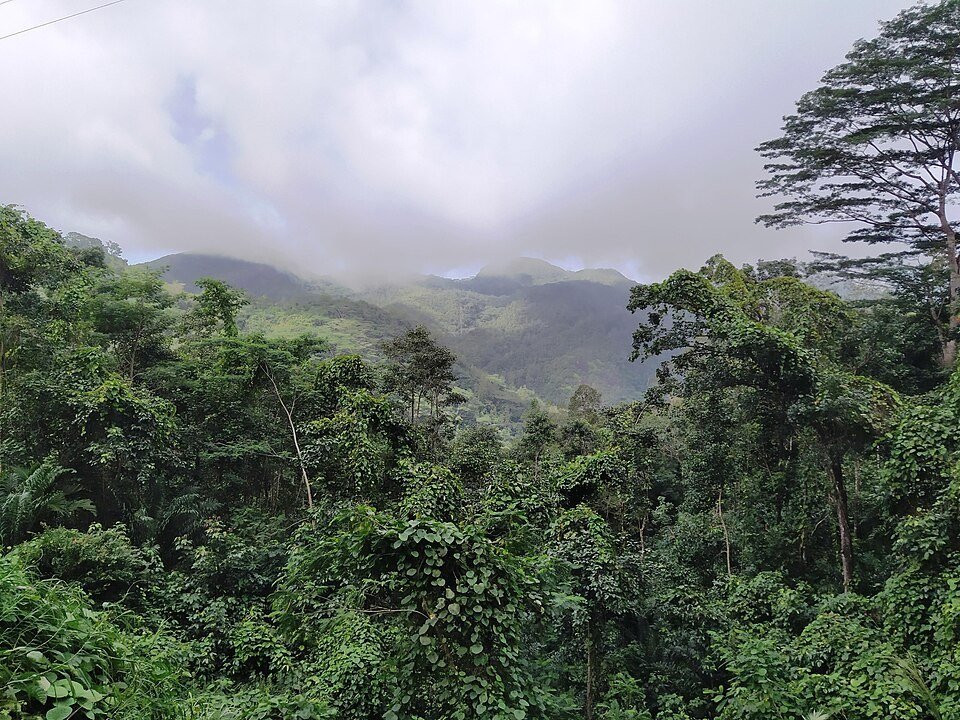
Mahé’s central uplands reveal an island of forest, granite and water catchments above the coastal settlements. Morne Seychellois National Park contains several named trails, each presenting a different part of that landscape. Dense vegetation, exposed rock and cloud-softened ridges form changing environments rather than one uniform jungle. Older commercial uses, including cinnamon distillation, also left traces within ground now managed for conservation.

Rainforest in Morne Seychellois National Park on Mahé
Rainforest in Morne Seychellois National Park on Mahé. Photo: Radosław Botev · Wikimedia Commons · CC BY-SA 4.0. Cropped for display.
Rainforest in Morne Seychellois National Park on Mahé
Rainforest in Morne Seychellois National Park on Mahé. Photo: Radosław Botev · Wikimedia Commons · CC BY-SA 4.0. Cropped for display.

Forest and granite habitats

Ask the parks authority or a qualified local guide about the route, permit, distance and current condition. The park contains outings with very different demands.

The park’s routes reveal contrasting habitats, from humid forest to exposed granite. Around Copolia, endemic palms form part of the understory, while mosses, ferns and leaf litter cover the shaded ground. On more exposed rocky areas, specialised plants include the Seychelles pitcher plant. The vegetation’s changing height and density make the transition between forest and open rock especially apparent.
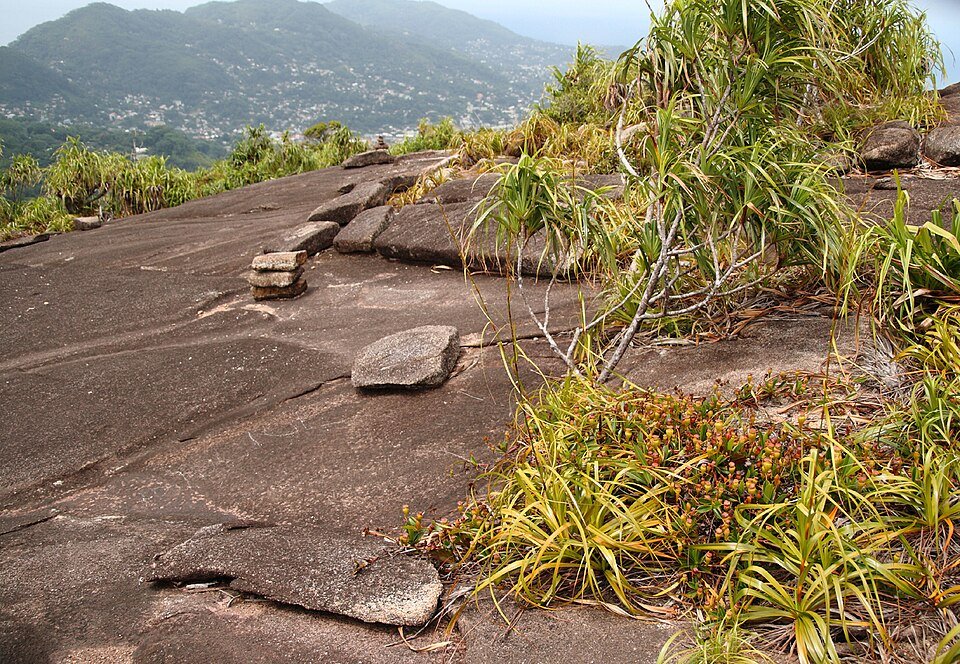
Exposed granite and pitcher-plant habitat on Mont Copolia, Mahé
Exposed granite and pitcher-plant habitat on Mont Copolia, Mahé. Photo: Remi Jouan · Wikimedia Commons · CC BY-SA 3.0. Cropped for display.

Copolia’s pitcher plants

Heat, rain, steep ground and slippery surfaces can change the day. Stay on permitted routes and use a guide when the route requires one.

Seychelles pitcher plants grow on some of the park’s exposed rocky ground, where conditions differ sharply from the shaded forest. Their modified leaves form pitchers that trap small animals, an adaptation to nutrient-poor surroundings. The park also contains upland water catchments and traces of former cinnamon exploitation, linking specialised plant life with both the island’s freshwater resources and its economic history.

Additional history and nature sources

Sources reviewed October 31, 2026.

Give the day room to unfold

Confirm current trail opening, fees and guide requirements, and carry water, suitable footwear and a realistic return plan.

Visitor information & sources

Sources reviewed 28 October 2026. Opening, access, availability and services can change.

Nearby accommodation and planning contacts →

← Return to the Seychelles guideSeychelles planning →